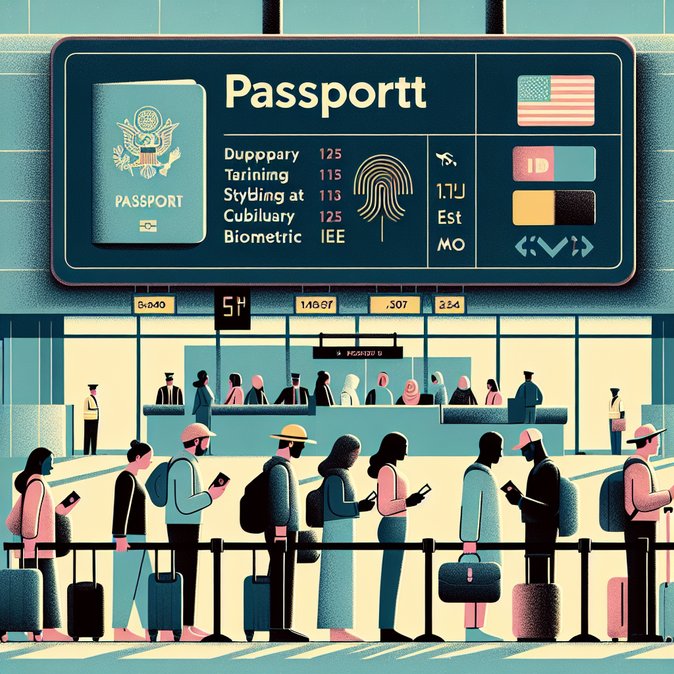
With the EU’s biometric Entry/Exit System (EES) set to become mandatory for all non-EU travellers on 10 April, travel-industry bodies are urging the European Commission to allow border authorities to suspend or scale back checks if congestion becomes unmanageable. Airports Council International (ACI Europe) says queues have already hit three hours at some Schengen airports under the partial rollout that began last October. (theguardian.com)
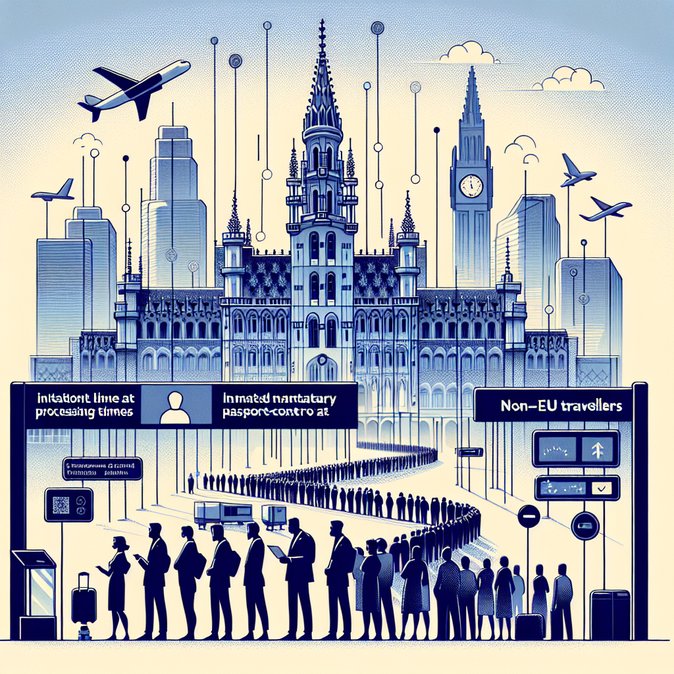
Although Brussels Airport has installed 61 self-service registration kiosks and 36 new e-gates, staff shortages at the Federal Police’s border-control directorate could pose serious challenges once 100 per cent of passengers must be fingerprinted and photographed. The Belgian Business Travel Association (BBTA) told The Brussels Times it fears “five-hour passport lines would jeopardise Belgium’s reputation as a corporate-meeting hub.”
![Industry warns Belgium to brace for queues as EU biometric border system scales up]()
For anyone trying to make sense of the evolving entry rules, VisaHQ’s Belgium portal (https://www.visahq.com/belgium/) provides travellers and corporate travel managers with up-to-date guidance on Schengen visas, residency documentation and new biometric requirements such as EES, along with the option to arrange courier processing and personalised support—saving valuable time before departure.
Under EU contingency rules, local commanders may temporarily reduce registration volumes or switch off the system to clear backlogs, but ACI says the guidance is unevenly applied. The UK travel association ABTA has written to the Commission asking it to formalise an EU-wide protocol before the Easter rush.
Corporate travel managers should review arrival-time advice for non-EU staff, consider fast-track services where available, and communicate the new biometric-data requirements to visitors well ahead of trips. Employers of third-country nationals based in Belgium should also remind staff that EES registration will be valid for three years, reducing repeat processing once the initial capture is completed.
Although Brussels Airport has installed 61 self-service registration kiosks and 36 new e-gates, staff shortages at the Federal Police’s border-control directorate could pose serious challenges once 100 per cent of passengers must be fingerprinted and photographed. The Belgian Business Travel Association (BBTA) told The Brussels Times it fears “five-hour passport lines would jeopardise Belgium’s reputation as a corporate-meeting hub.”
For anyone trying to make sense of the evolving entry rules, VisaHQ’s Belgium portal (https://www.visahq.com/belgium/) provides travellers and corporate travel managers with up-to-date guidance on Schengen visas, residency documentation and new biometric requirements such as EES, along with the option to arrange courier processing and personalised support—saving valuable time before departure.
Under EU contingency rules, local commanders may temporarily reduce registration volumes or switch off the system to clear backlogs, but ACI says the guidance is unevenly applied. The UK travel association ABTA has written to the Commission asking it to formalise an EU-wide protocol before the Easter rush.
Corporate travel managers should review arrival-time advice for non-EU staff, consider fast-track services where available, and communicate the new biometric-data requirements to visitors well ahead of trips. Employers of third-country nationals based in Belgium should also remind staff that EES registration will be valid for three years, reducing repeat processing once the initial capture is completed.