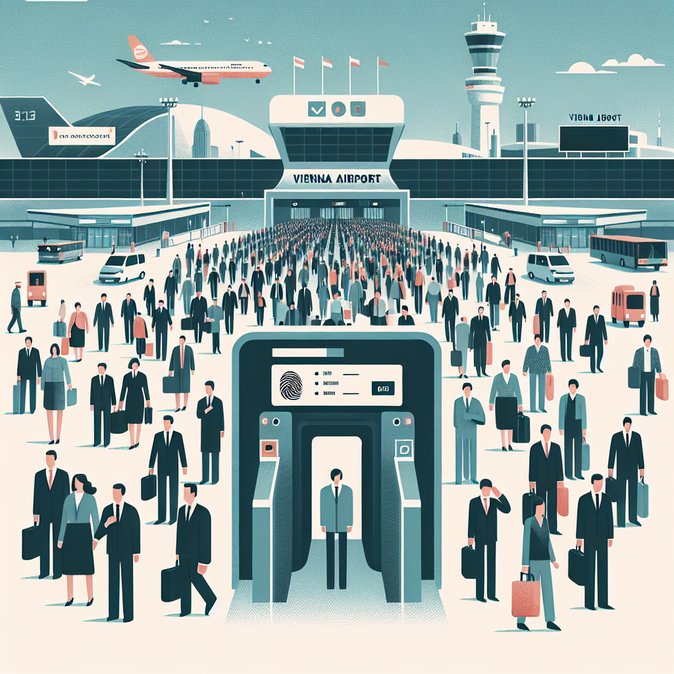
The European travel trade sounded the alarm on 5 February over the risk of five-hour border queues this summer once the EU’s biometric Entry-Exit System (EES) starts full-scale operation on 10 April. Although the Guardian report focused on Spain, France and Italy, Vienna-Schwechat Airport has been running the same kiosks since October and currently registers only 35 % of third-country passengers. Airports Council International Europe warns that moving to 100 % registration without extra staff could be “disastrous” for passenger experience. (theguardian.com)
Austria’s hub is particularly exposed: about 800,000 non-EU passengers transit each month, and its new border-procedure terminal will add an additional biometric capture point. Airport operator Flughafen Wien AG told local media that average EES processing per traveller still exceeds two minutes—far above the 45-second design target—mainly because many first-time users struggle with fingerprint scanners. Business-class fast-track lanes are exempt from the 35 % quota, but will lose that privilege once the exemption expires.
Industry bodies including the Austrian Business Travel Association (ABTA/ÖVT) have joined ACI in urging Brussels to allow flexibility so that border police can temporarily scale back checks during peak departure banks. They also ask employers to stagger duty trips outside Friday-evening and Monday-morning peaks and to pre-enrol staff where national law allows.
![Austrian travel industry braces for summer queues as EU biometric Entry-Exit System ramps up]()
Meanwhile, travellers looking to minimise last-minute surprises can lean on VisaHQ’s end-to-end documentation platform; the Austria portal (https://www.visahq.com/austria/) lets corporate travel teams pre-verify passport validity, secure any necessary visas and receive real-time alerts on EES rule changes—helping passengers avoid being snagged by unexpected border formalities.
For global-mobility managers the key takeaway is to budget additional dwell time—three hours instead of two for intercontinental departures—and to update travellers’ risk assessments. Companies with tight same-day connections through Vienna or other Schengen hubs should consider overnighting or booking longer lay-overs until at least September when the summer surge eases.
The Commission has hinted at a 90-day contingency window, but has yet to publish formal guidance. Without it, Austrian border guards must apply the rulebook strictly, making proactive planning the best mitigation tool for corporate travel departments. (theguardian.com)
Austria’s hub is particularly exposed: about 800,000 non-EU passengers transit each month, and its new border-procedure terminal will add an additional biometric capture point. Airport operator Flughafen Wien AG told local media that average EES processing per traveller still exceeds two minutes—far above the 45-second design target—mainly because many first-time users struggle with fingerprint scanners. Business-class fast-track lanes are exempt from the 35 % quota, but will lose that privilege once the exemption expires.
Industry bodies including the Austrian Business Travel Association (ABTA/ÖVT) have joined ACI in urging Brussels to allow flexibility so that border police can temporarily scale back checks during peak departure banks. They also ask employers to stagger duty trips outside Friday-evening and Monday-morning peaks and to pre-enrol staff where national law allows.
Meanwhile, travellers looking to minimise last-minute surprises can lean on VisaHQ’s end-to-end documentation platform; the Austria portal (https://www.visahq.com/austria/) lets corporate travel teams pre-verify passport validity, secure any necessary visas and receive real-time alerts on EES rule changes—helping passengers avoid being snagged by unexpected border formalities.
For global-mobility managers the key takeaway is to budget additional dwell time—three hours instead of two for intercontinental departures—and to update travellers’ risk assessments. Companies with tight same-day connections through Vienna or other Schengen hubs should consider overnighting or booking longer lay-overs until at least September when the summer surge eases.
The Commission has hinted at a 90-day contingency window, but has yet to publish formal guidance. Without it, Austrian border guards must apply the rulebook strictly, making proactive planning the best mitigation tool for corporate travel departments. (theguardian.com)
More From Austria
View all
Austria unveils dedicated border-procedure terminal at Vienna Airport ahead of EU Migration Pact rollout
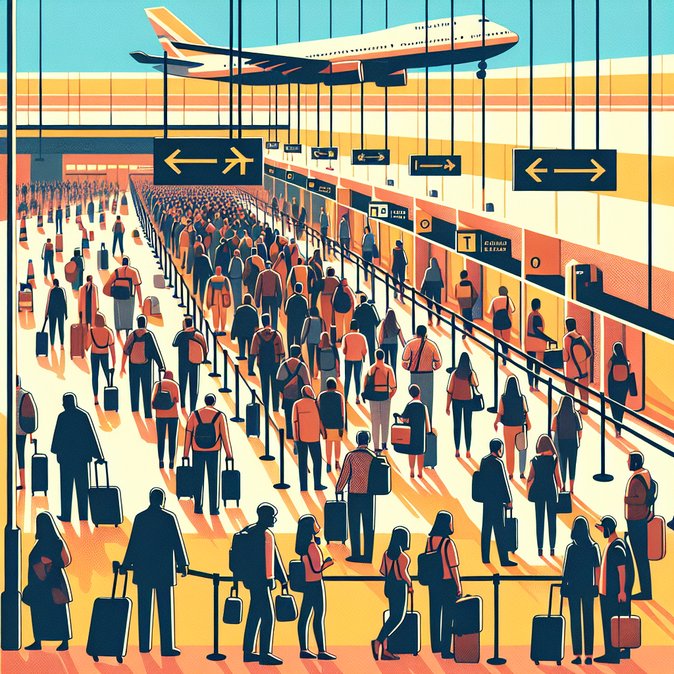
Travel Industry Warns of Summer Chaos as EU Biometric Entry-Exit System Nears Full Roll-Out