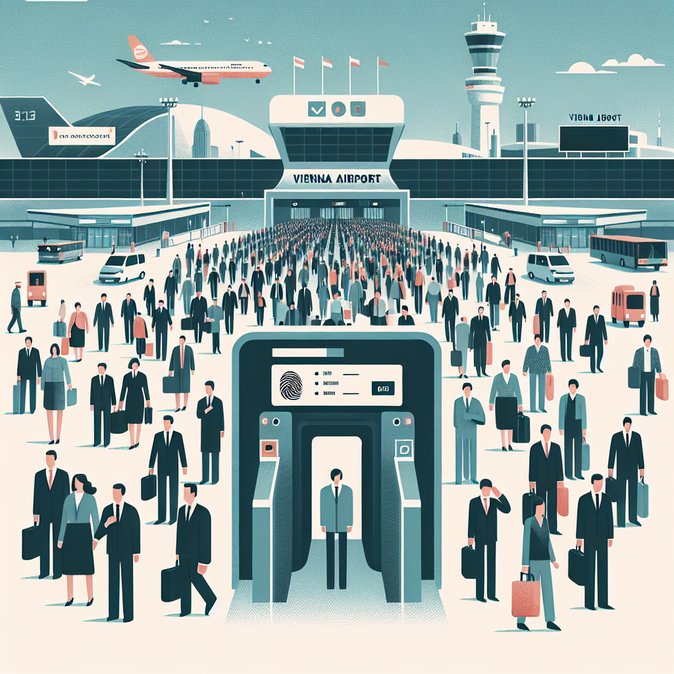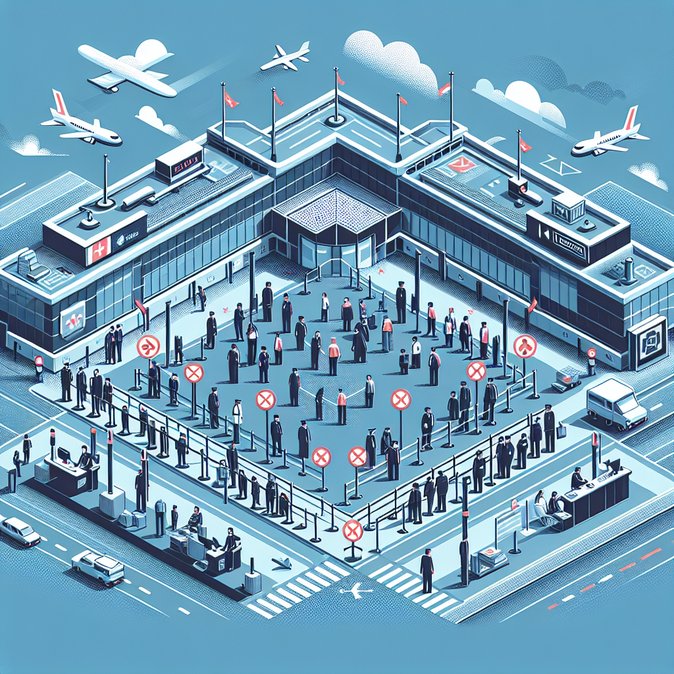
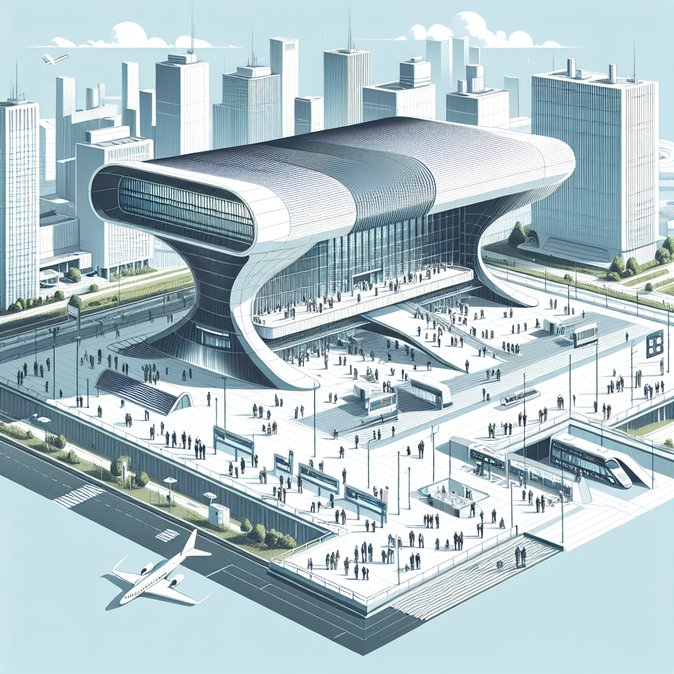
Austria has taken the first concrete step to bring the EU’s new Asylum & Migration Pact to life: Interior Minister Gerhard Karner on 5 February presented a purpose-built “border-procedure terminal” at Vienna-Schwechat Airport that will open on 12 June 2026. The 5,000 m² facility—created by refurbishing an existing air-side building—will host police, the Federal Office for Immigration and Asylum (BFA), the Federal Administrative Court, interpreters and NGOs under one roof. All asylum claims that are deemed manifestly unfounded or inadmissible will be decided here, while applicants remain legally outside Austrian territory under the fiction-of-non-entry principle. (aviation.direct)
The procedure is structured in three phases. First, arriving third-country nationals undergo identity, security and health screening by the Federal Police; second, the BFA conducts interviews and issues decisions; third, in the event of refusal, return operations are organised immediately without the person ever crossing the Schengen border. Authorities expect about 300 such cases per year, a fraction of the ten million passenger movements the airport handles annually, but argue the pilot will relieve inland reception centres and speed up removals. (aviation.direct)
Vienna Airport AG is investing €7.5 million in the rebuild and will lease the complex long-term to the Interior Ministry; Brussels is contributing a further €4 million from its Border Management and Visa Policy Instrument, signalling strong EU backing. The maximum detention period inside the terminal is aligned with EU law at 24 weeks (extendable to 26 weeks in exceptional cases). (aviation.direct)
![Austria unveils dedicated border-procedure terminal at Vienna Airport ahead of EU Migration Pact rollout]()
Whether you’re a corporate travel manager trying to protect staff from unexpected refusals or a holidaymaker unsure about changing entry rules, VisaHQ can simplify the process with real-time visa checks, electronic applications and expert support for Austria and beyond—see the dedicated portal at https://www.visahq.com/austria/
For mobility managers the move has two immediate implications. Business travellers from visa-exempt countries who are refused entry for document or security reasons could now find themselves processed in the new terminal rather than being waved through to lodge an inland appeal. Conversely, the centralisation of all actors on-site should shorten lay-over times for bona-fide travellers waiting for colleagues delayed by secondary checks. Companies are advised to brief staff on the tighter document scrutiny and to ensure return tickets, hotel confirmations and proof of funds are readily available when entering Austria by air after June.
Karner called the project “a decisive building block for a dense and functioning EU external-border shield” and hinted that similar fast-track facilities may follow at Salzburg and Innsbruck if the Schwechat model proves effective. (ots.at)
The procedure is structured in three phases. First, arriving third-country nationals undergo identity, security and health screening by the Federal Police; second, the BFA conducts interviews and issues decisions; third, in the event of refusal, return operations are organised immediately without the person ever crossing the Schengen border. Authorities expect about 300 such cases per year, a fraction of the ten million passenger movements the airport handles annually, but argue the pilot will relieve inland reception centres and speed up removals. (aviation.direct)
Vienna Airport AG is investing €7.5 million in the rebuild and will lease the complex long-term to the Interior Ministry; Brussels is contributing a further €4 million from its Border Management and Visa Policy Instrument, signalling strong EU backing. The maximum detention period inside the terminal is aligned with EU law at 24 weeks (extendable to 26 weeks in exceptional cases). (aviation.direct)
Whether you’re a corporate travel manager trying to protect staff from unexpected refusals or a holidaymaker unsure about changing entry rules, VisaHQ can simplify the process with real-time visa checks, electronic applications and expert support for Austria and beyond—see the dedicated portal at https://www.visahq.com/austria/
For mobility managers the move has two immediate implications. Business travellers from visa-exempt countries who are refused entry for document or security reasons could now find themselves processed in the new terminal rather than being waved through to lodge an inland appeal. Conversely, the centralisation of all actors on-site should shorten lay-over times for bona-fide travellers waiting for colleagues delayed by secondary checks. Companies are advised to brief staff on the tighter document scrutiny and to ensure return tickets, hotel confirmations and proof of funds are readily available when entering Austria by air after June.
Karner called the project “a decisive building block for a dense and functioning EU external-border shield” and hinted that similar fast-track facilities may follow at Salzburg and Innsbruck if the Schwechat model proves effective. (ots.at)