The Times revealed on 4 February that the European Commission has set the fee for the long-awaited European Travel Information and Authorisation System (ETIAS) at €20—roughly CZK 486—for adults aged 18-70 from visa-exempt countries. The digital permit, valid for three years, will become obligatory in late 2026 once a six-month transition phase ends.
Although ETIAS is not a visa, travellers must complete an online questionnaire, upload passport details and pay by card before boarding transport to any of the 29 Schengen states, including the Czech Republic. Most approvals should arrive within minutes, but applications flagged for manual review could take up to 30 days. Children and seniors over 70 remain fee-exempt but must still apply.
For Czech inbound tourism the impact is two-fold. On the upside, pre-screening is expected to reduce airport refusals and strengthen security; on the downside, the added friction and cost could deter price-sensitive visitors, particularly from South-East Asian markets that benchmark Europe trips against cheaper Asian destinations. CzechTourism estimates a potential 1–2 % decline in long-haul arrivals if airlines do not integrate ETIAS seamlessly into booking flows.
![€20 ETIAS fee confirmed: what the new EU travel authorisation means for trips to and from Czechia]()
For travellers and corporate mobility coordinators who prefer a turnkey solution, VisaHQ offers streamlined ETIAS pre-registration alerts and documentation checks for journeys to the Czech Republic and the wider Schengen Area. Their online platform (https://www.visahq.com/czech-republic/) centralises passport validation, reminder notifications and group management tools, making it easier to keep teams compliant as the 2026 rollout approaches.
Czech companies sending staff on short assignments to the UK should note the reciprocity angle: Britain already charges £10 (about CZK 290) for its own Electronic Travel Authorisation, which EU citizens will need from autumn 2026. Mobility managers should therefore budget for dual fees when planning multi-stop itineraries involving both London and Prague.
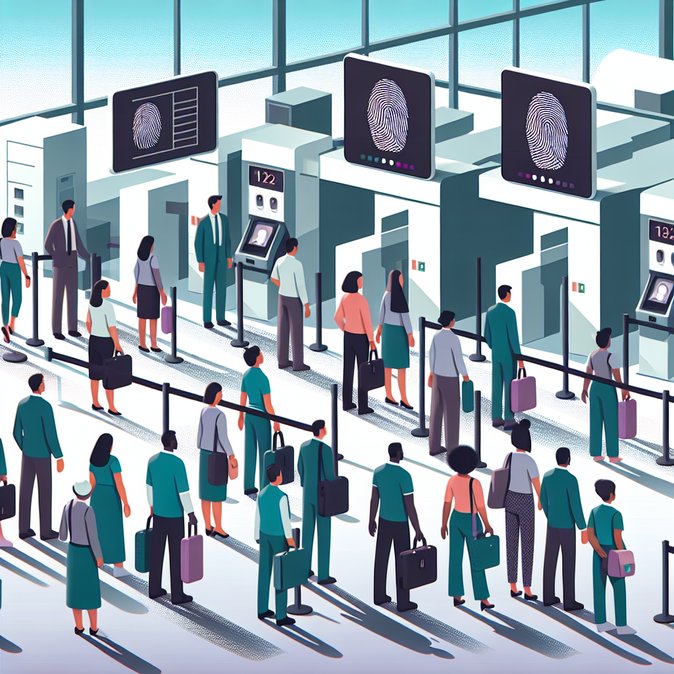
Practically, the new system dovetails with the EU’s biometric Entry-Exit System (EES). Non-EU nationals who received an ETIAS in one passport will need to secure a fresh authorisation if they renew their travel document, adding another administrative layer for frequent corporate travellers. Airlines flying into Prague are upgrading check-in software to verify ETIAS status and warn that boarding will be denied without a valid approval once enforcement begins.
The Czech Ministry of Foreign Affairs advises travellers to use only the official EU portal—set to go live next spring—to avoid scam sites already surfacing online. Employers should begin updating travel policies now, including reimbursement procedures for the €20 fee, to avoid compliance headaches in 2027.
Although ETIAS is not a visa, travellers must complete an online questionnaire, upload passport details and pay by card before boarding transport to any of the 29 Schengen states, including the Czech Republic. Most approvals should arrive within minutes, but applications flagged for manual review could take up to 30 days. Children and seniors over 70 remain fee-exempt but must still apply.
For Czech inbound tourism the impact is two-fold. On the upside, pre-screening is expected to reduce airport refusals and strengthen security; on the downside, the added friction and cost could deter price-sensitive visitors, particularly from South-East Asian markets that benchmark Europe trips against cheaper Asian destinations. CzechTourism estimates a potential 1–2 % decline in long-haul arrivals if airlines do not integrate ETIAS seamlessly into booking flows.

For travellers and corporate mobility coordinators who prefer a turnkey solution, VisaHQ offers streamlined ETIAS pre-registration alerts and documentation checks for journeys to the Czech Republic and the wider Schengen Area. Their online platform (https://www.visahq.com/czech-republic/) centralises passport validation, reminder notifications and group management tools, making it easier to keep teams compliant as the 2026 rollout approaches.
Czech companies sending staff on short assignments to the UK should note the reciprocity angle: Britain already charges £10 (about CZK 290) for its own Electronic Travel Authorisation, which EU citizens will need from autumn 2026. Mobility managers should therefore budget for dual fees when planning multi-stop itineraries involving both London and Prague.
Practically, the new system dovetails with the EU’s biometric Entry-Exit System (EES). Non-EU nationals who received an ETIAS in one passport will need to secure a fresh authorisation if they renew their travel document, adding another administrative layer for frequent corporate travellers. Airlines flying into Prague are upgrading check-in software to verify ETIAS status and warn that boarding will be denied without a valid approval once enforcement begins.
The Czech Ministry of Foreign Affairs advises travellers to use only the official EU portal—set to go live next spring—to avoid scam sites already surfacing online. Employers should begin updating travel policies now, including reimbursement procedures for the €20 fee, to avoid compliance headaches in 2027.