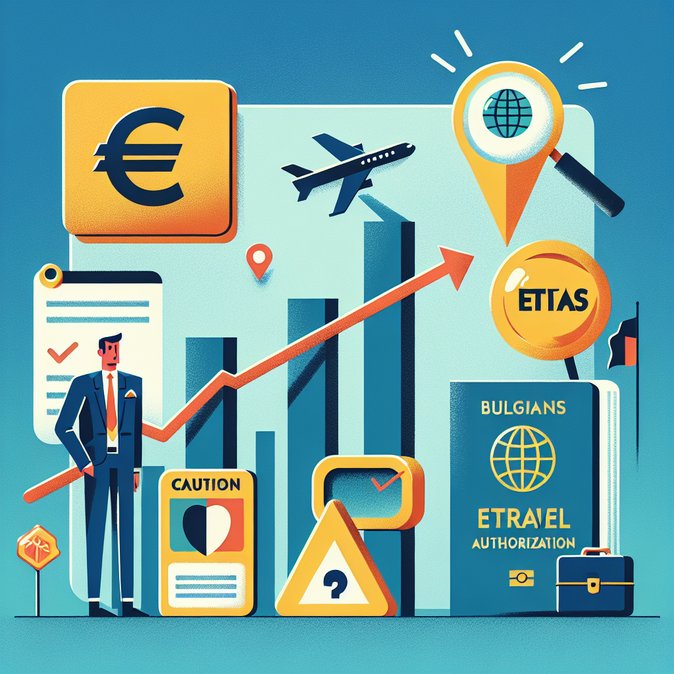
The price of securing an ETIAS travel authorisation—a mandatory pre-screen for visa-exempt travellers to Belgium and the wider Schengen area from late 2026—has been set at €20, up from the €7 previously advertised since 2018. The adjustment, confirmed yesterday in updated guidance circulated by the European Commission and first reported by The Times, reflects inflation and new cybersecurity features built into the platform.
While the launch date of ETIAS remains the ‘last quarter of 2026’, global-mobility teams are already stress-testing budgets. A four-day client visit by a UK audit team of six people, for example, will now attract €120 in ETIAS fees—small in isolation but material when multiplied across hundreds of short assignments. Belgian consultancies in legal, pharma and tech say they will renegotiate fixed-price contracts to pass on at least part of the extra cost.
Travel managers are also reviewing policy language: because ETIAS is linked to a passport for three years, reimbursements will likely be capped at one authorisation per traveller, with repeat leisure trips treated as personal expenses. Employers that cover Schengen travel for large numbers of contractors could face complex VAT questions, as the fee is payable to an EU agency rather than a national authority.
![EU raises ETIAS fee to €20, Belgian firms weigh cost for short-term visitors]()
In that context, VisaHQ can help employers and individual travellers navigate the new ETIAS landscape. Through its Belgium portal (https://www.visahq.com/belgium/), the platform consolidates requirements, offers step-by-step application assistance, and enables bulk submissions—cutting administrative time and reducing the risk of users straying onto unofficial sites.
From an operational standpoint, the higher fee may drive some travellers to third-party websites masquerading as the official portal. The Belgian Foreign Affairs ministry plans a campaign later this year to steer applicants towards the genuine EU platform and to remind visitors that children under 18 and adults over 70 remain exempt from payment—though they must still obtain authorisation.
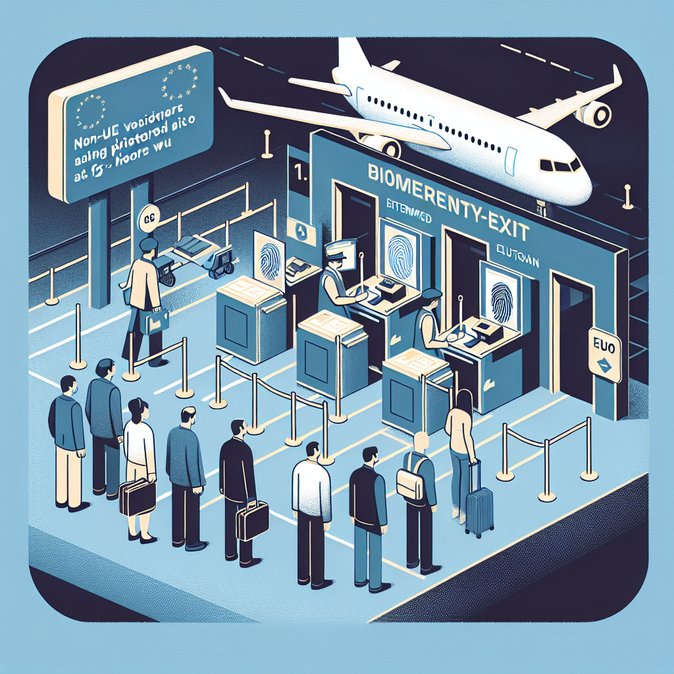
Airlines operating to Brussels Airport welcomed the clearer price tag, saying it helps finalise IT changes for boarding-pass validation. They continue to warn, however, that ETIAS and the biometric Entry-Exit System should not go live at the same time, arguing that staggered roll-outs would avoid a “perfect storm” at Belgian border checkpoints.
While the launch date of ETIAS remains the ‘last quarter of 2026’, global-mobility teams are already stress-testing budgets. A four-day client visit by a UK audit team of six people, for example, will now attract €120 in ETIAS fees—small in isolation but material when multiplied across hundreds of short assignments. Belgian consultancies in legal, pharma and tech say they will renegotiate fixed-price contracts to pass on at least part of the extra cost.
Travel managers are also reviewing policy language: because ETIAS is linked to a passport for three years, reimbursements will likely be capped at one authorisation per traveller, with repeat leisure trips treated as personal expenses. Employers that cover Schengen travel for large numbers of contractors could face complex VAT questions, as the fee is payable to an EU agency rather than a national authority.

In that context, VisaHQ can help employers and individual travellers navigate the new ETIAS landscape. Through its Belgium portal (https://www.visahq.com/belgium/), the platform consolidates requirements, offers step-by-step application assistance, and enables bulk submissions—cutting administrative time and reducing the risk of users straying onto unofficial sites.
From an operational standpoint, the higher fee may drive some travellers to third-party websites masquerading as the official portal. The Belgian Foreign Affairs ministry plans a campaign later this year to steer applicants towards the genuine EU platform and to remind visitors that children under 18 and adults over 70 remain exempt from payment—though they must still obtain authorisation.
Airlines operating to Brussels Airport welcomed the clearer price tag, saying it helps finalise IT changes for boarding-pass validation. They continue to warn, however, that ETIAS and the biometric Entry-Exit System should not go live at the same time, arguing that staggered roll-outs would avoid a “perfect storm” at Belgian border checkpoints.