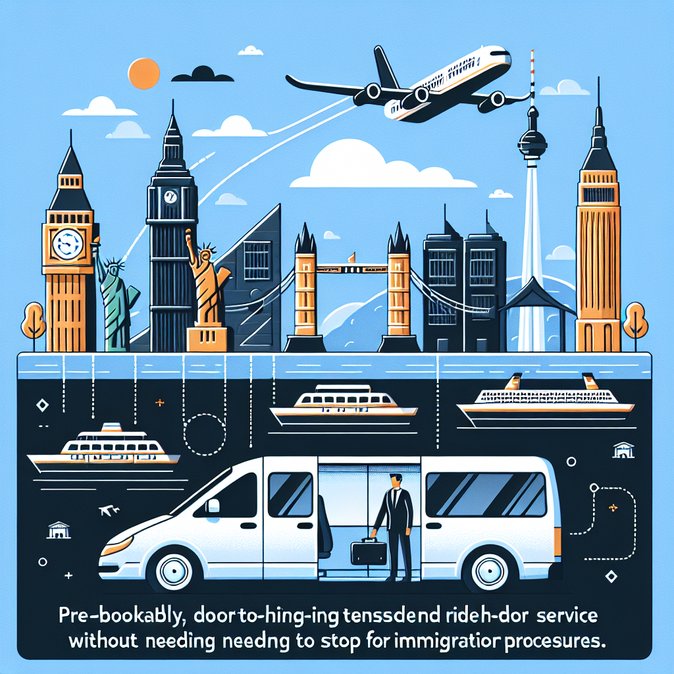
Ride-hailing giant Uber has entered the cross-boundary mobility game, launching pre-bookable transfers that take passengers door-to-door between Hong Kong and Macau while they remain in the vehicle during immigration formalities. The service, which went live on 3 February, operates in partnership with Kwoon Chung Bus Holdings—a licensed provider of Hong Kong-Zhuhai-Macau Bridge coach services. Riders can schedule trips up to 90 days in advance, with upfront pricing that folds bridge tolls and complimentary waiting time into one fee. (agbrief.com)
Uber says the product targets travellers who currently juggle MTR, coach and ferry segments to complete the 60-kilometre journey. Vehicles are cross-border plated and drivers credentialed by both jurisdictions, allowing immigration and customs inspection while passengers stay seated—similar to existing luxury coach models but with the convenience of the Uber app.
The company simultaneously enabled in-app booking of licensed Macau taxis, providing cashless payment and multi-language support. General Manager Estyn Chung called the twin roll-outs “a new way to travel easily across the Pearl River Delta” and hinted at future expansion to Zhuhai and Shenzhen airports.
![Uber debuts cross-border ride-hailing between Hong Kong and Macau]()
For corporates, the move creates a flexible alternative to fixed-schedule coaches—useful for last-minute day trips to Macau’s conference venues or Cotai resorts. Travel managers should update approved-supplier lists to reflect Uber’s cross-border category, and remind employees that the service still requires standard travel documents: Hong Kong residents need a Home Return Permit; foreign nationals need a valid passport plus Macau entry visa if applicable.
If the paperwork sounds daunting, VisaHQ can simplify the process for both individual and corporate travellers. Through its Hong Kong portal (https://www.visahq.com/hong-kong/), the company offers clear checklists, real-time status tracking and optional courier pick-up for everything from Macau entry permits to Chinese visas, making sure passengers have the right documents before they book that cross-border Uber.
Regulatory observers note that Macau is drafting a ride-hailing law to formalise such services. Uber’s partnership model leverages licensed operators to sidestep interim legal grey areas, but policy shifts later this year could alter fee caps and driver accreditation rules.
Uber says the product targets travellers who currently juggle MTR, coach and ferry segments to complete the 60-kilometre journey. Vehicles are cross-border plated and drivers credentialed by both jurisdictions, allowing immigration and customs inspection while passengers stay seated—similar to existing luxury coach models but with the convenience of the Uber app.
The company simultaneously enabled in-app booking of licensed Macau taxis, providing cashless payment and multi-language support. General Manager Estyn Chung called the twin roll-outs “a new way to travel easily across the Pearl River Delta” and hinted at future expansion to Zhuhai and Shenzhen airports.

For corporates, the move creates a flexible alternative to fixed-schedule coaches—useful for last-minute day trips to Macau’s conference venues or Cotai resorts. Travel managers should update approved-supplier lists to reflect Uber’s cross-border category, and remind employees that the service still requires standard travel documents: Hong Kong residents need a Home Return Permit; foreign nationals need a valid passport plus Macau entry visa if applicable.
If the paperwork sounds daunting, VisaHQ can simplify the process for both individual and corporate travellers. Through its Hong Kong portal (https://www.visahq.com/hong-kong/), the company offers clear checklists, real-time status tracking and optional courier pick-up for everything from Macau entry permits to Chinese visas, making sure passengers have the right documents before they book that cross-border Uber.
Regulatory observers note that Macau is drafting a ride-hailing law to formalise such services. Uber’s partnership model leverages licensed operators to sidestep interim legal grey areas, but policy shifts later this year could alter fee caps and driver accreditation rules.