The United Kingdom will complete its long-planned transition to a fully digital immigration system on 25 February 2026, according to a LawFlash published today by law firm Morgan Lewis. From that date every category of temporary permission—visitor visas, Certificates of Entitlement, Home Office travel documents and, crucially, permission for visa-exempt travellers—will exist only in electronic form that is linked to an online UKVI account and to the traveller’s passport.
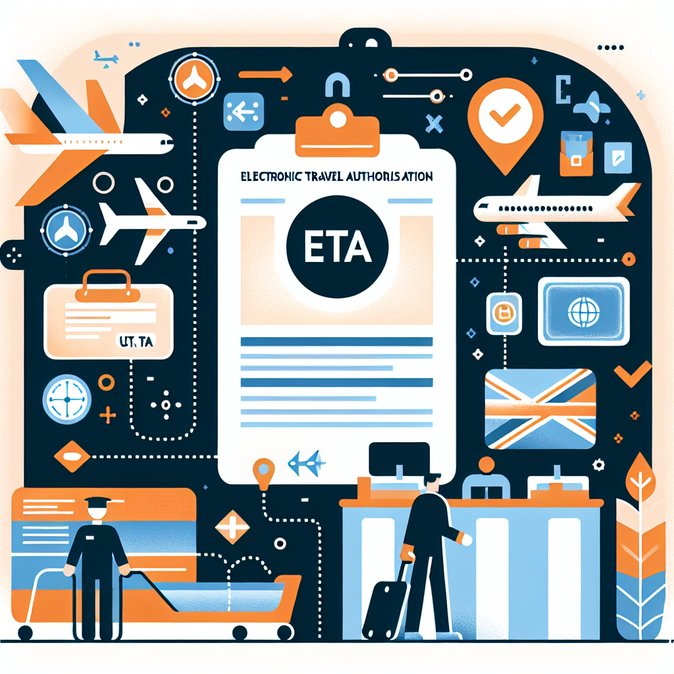
The centre-piece of the change is strict enforcement of the Electronic Travel Authorisation (ETA) regime. All non-visa nationals, including citizens of the United States, Canada, Japan, Australia and EU member states, must hold an approved ETA before boarding a flight, ferry or Eurostar service to the UK. Airlines and other carriers will be required to check ETA status in the same way they presently verify an ESTA for travel to the United States. Carrier discretion—which has allowed some passengers without an ETA to board during the soft-launch period—will end.
Travellers and corporate mobility teams looking for a streamlined way to secure ETAs or manage the shift to eVisas can turn to VisaHQ, whose online platform (https://www.visahq.com/united-kingdom/) walks applicants through every step of the new UK requirements, offers bulk-processing tools for businesses, and provides real-time status updates and expert support.
![UK Home Office confirms full switch to digital visas and ETA enforcement from 25 February 2026]()
For employers the move has practical consequences. Mobility teams must identify frequent business travellers who could be denied boarding if they assume that a passport alone is sufficient. Employers are being urged to brief staff on the new rules, update internal travel policies, and remind British dual nationals that they must travel on a valid UK passport (or a Certificate of Entitlement) because they are ineligible for an ETA. Failure to do so could see British employees stranded overseas at the point of departure.
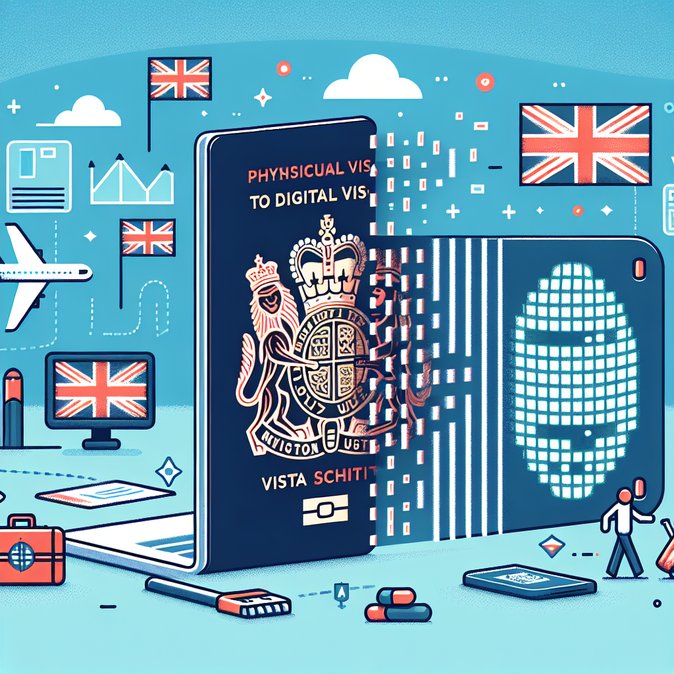
The paper stresses that visitor visas issued on or after 25 February will be eVisas only; the familiar visa vignette attached to a passport page disappears. Visa nationals therefore need to create and maintain a UKVI account, ensure passport details are always current and be prepared to show a digital “share-code” at airline check-in. Sponsors will need new onboarding check-lists to capture that information.
Home Office officials argue that the reforms lay the foundation for a ‘contact-less’ UK border and will eventually dovetail with biometric smart-gates that read an e-passport chip and match it to a traveller’s digital status in seconds. Critics, however, point out that technical failures with existing e-gates have already caused multiple airport meltdowns and warn that a purely digital system could leave travellers locked out if databases go down.
Nonetheless, with less than three weeks until go-live, the message from government and practitioners is the same: act now, audit traveller populations, and build the ETA check into every trip to Britain.
The centre-piece of the change is strict enforcement of the Electronic Travel Authorisation (ETA) regime. All non-visa nationals, including citizens of the United States, Canada, Japan, Australia and EU member states, must hold an approved ETA before boarding a flight, ferry or Eurostar service to the UK. Airlines and other carriers will be required to check ETA status in the same way they presently verify an ESTA for travel to the United States. Carrier discretion—which has allowed some passengers without an ETA to board during the soft-launch period—will end.
Travellers and corporate mobility teams looking for a streamlined way to secure ETAs or manage the shift to eVisas can turn to VisaHQ, whose online platform (https://www.visahq.com/united-kingdom/) walks applicants through every step of the new UK requirements, offers bulk-processing tools for businesses, and provides real-time status updates and expert support.

For employers the move has practical consequences. Mobility teams must identify frequent business travellers who could be denied boarding if they assume that a passport alone is sufficient. Employers are being urged to brief staff on the new rules, update internal travel policies, and remind British dual nationals that they must travel on a valid UK passport (or a Certificate of Entitlement) because they are ineligible for an ETA. Failure to do so could see British employees stranded overseas at the point of departure.
The paper stresses that visitor visas issued on or after 25 February will be eVisas only; the familiar visa vignette attached to a passport page disappears. Visa nationals therefore need to create and maintain a UKVI account, ensure passport details are always current and be prepared to show a digital “share-code” at airline check-in. Sponsors will need new onboarding check-lists to capture that information.
Home Office officials argue that the reforms lay the foundation for a ‘contact-less’ UK border and will eventually dovetail with biometric smart-gates that read an e-passport chip and match it to a traveller’s digital status in seconds. Critics, however, point out that technical failures with existing e-gates have already caused multiple airport meltdowns and warn that a purely digital system could leave travellers locked out if databases go down.
Nonetheless, with less than three weeks until go-live, the message from government and practitioners is the same: act now, audit traveller populations, and build the ETA check into every trip to Britain.