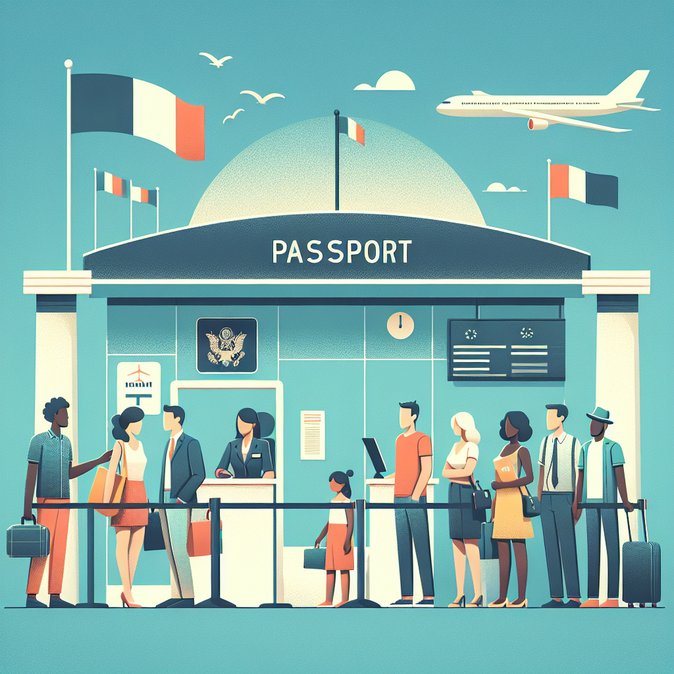
Travellers from 59 visa-exempt countries—including the UK, USA, Canada and Australia—will soon pay **€20** to visit France and the wider Schengen area after the bloc finalised the tariff for its Electronic Travel Information and Authorisation System (ETIAS). The Times reported on 4 February that the fee, previously estimated at €7, has been set higher to cover inflation and cybersecurity costs.
ETIAS is not a visa, but business visitors and tourists will need approved authorisation before boarding transport to Europe once the system goes live in late 2026, shortly after the Entry/Exit System (EES) reaches steady state. Authorisations last three years (or until passport expiry) and allow multiple stays of up to 90 days in any 180-day period.
![€20 ETIAS fee confirmed as EU gears up for visa-waiver launch]()
Most applications are expected to clear within minutes, but the EU warns that up to 3 % may require manual review, potentially taking 30 days. Companies should therefore instruct travelling employees to apply as soon as flights are booked and to use only the official EU portal to avoid phishing sites.
For travellers who prefer expert assistance, VisaHQ can manage ETIAS filings on their behalf, verify document requirements and even coordinate bulk registrations for corporate groups—details are available at https://www.visahq.com/france/
The higher-than-expected levy will marginally raise trip budgets; corporates may want to bulk-register frequent travellers this year so costs can be amortised over multiple journeys. HR teams sending non-EU assignees to France should also track ETIAS validity alongside residence-permit deadlines.
ETIAS is not a visa, but business visitors and tourists will need approved authorisation before boarding transport to Europe once the system goes live in late 2026, shortly after the Entry/Exit System (EES) reaches steady state. Authorisations last three years (or until passport expiry) and allow multiple stays of up to 90 days in any 180-day period.

Most applications are expected to clear within minutes, but the EU warns that up to 3 % may require manual review, potentially taking 30 days. Companies should therefore instruct travelling employees to apply as soon as flights are booked and to use only the official EU portal to avoid phishing sites.
For travellers who prefer expert assistance, VisaHQ can manage ETIAS filings on their behalf, verify document requirements and even coordinate bulk registrations for corporate groups—details are available at https://www.visahq.com/france/
The higher-than-expected levy will marginally raise trip budgets; corporates may want to bulk-register frequent travellers this year so costs can be amortised over multiple journeys. HR teams sending non-EU assignees to France should also track ETIAS validity alongside residence-permit deadlines.