Finland’s border-control teams got some much-needed breathing room on 3 February after the European Commission confirmed that Schengen members may temporarily stand down the new Entry/Exit System (EES) to prevent gridlock during the 2026 holiday rush.
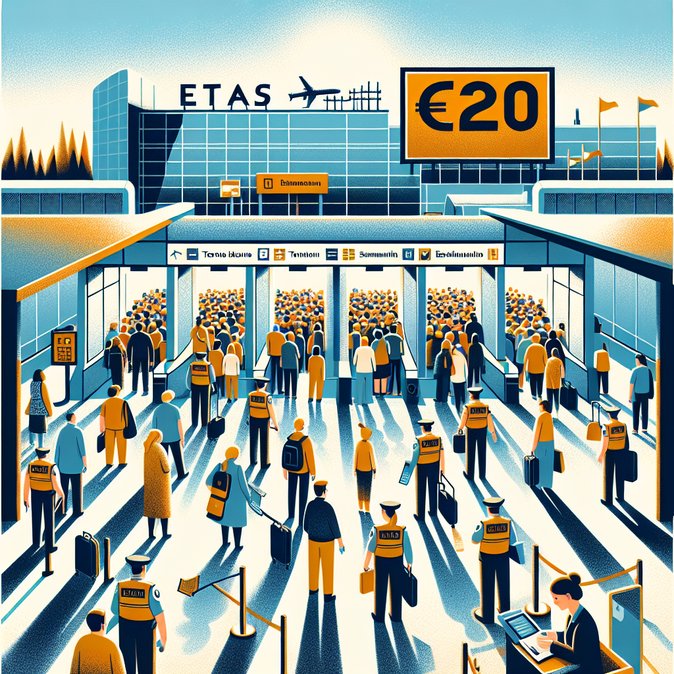
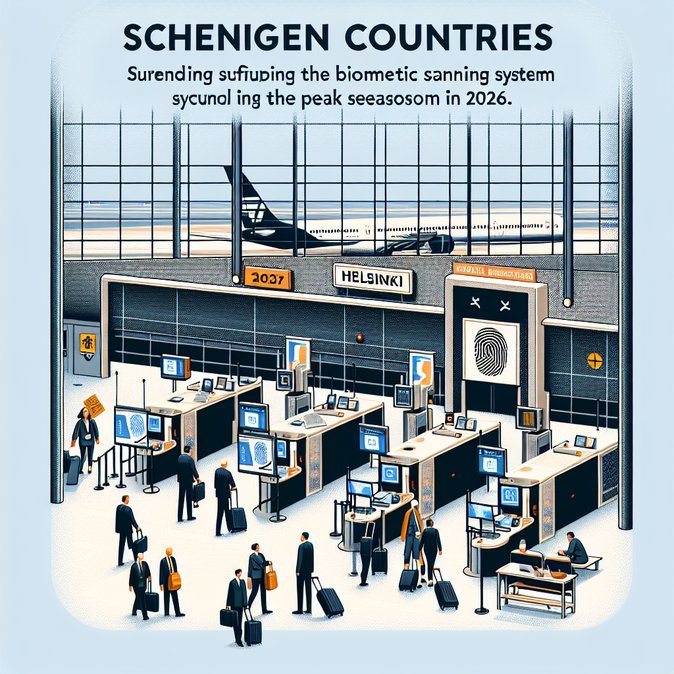
EES, which has been live in pilot mode at Helsinki-Vantaa since October 2025, replaces passport stamps with a kiosk-based scan of fingerprints and a facial image for every non-EU traveller. Although the technology promises faster repeat crossings in the long term, first-time registration has doubled average processing times and, at some airports, produced three-hour queues. Airport Council International warned Brussels that the situation could become “a systemic safety hazard” once summer volumes kick in.
Under the flexibility package unveiled by Commission spokesperson Markus Lammert, member states may suspend or scale back EES for up to 90 days—and, if congestion persists, another 60 days—between June and September. Practically, that means Finland can revert to manual passport stamping at Helsinki Airport’s non-Schengen hall and at seaports if biometric kiosks or staffing levels fail to keep pace. Border guards will still be expected to collect data from at least a subset of travellers to keep the database growing, but carriers and ground-handling companies will avoid the worst knock-on delays.
![EU Gives Finland & Other Schengen States Leeway to Pause Biometric Border Checks This Summer]()
Whether you’re a tourist or a global mobility manager, VisaHQ can streamline your planning: the company’s Finland portal (https://www.visahq.com/finland/) tracks real-time EES updates, walks travellers through visa and document checks, and offers concierge appointment booking—saving precious minutes when queues start to build.
For corporate mobility managers the decision buys time to update traveller education, tweak layover buffers and audit airline through-check arrangements. Companies moving assignees to or from Finland should continue to budget 30–40 minutes for first-entry processing until kiosks stabilise, and check that travellers have un-smudged fingerprints—a common cause of kiosk rejection. Airlines flying long-haul to Helsinki are already adjusting timetables to create longer connection windows to Tallinn, Oulu and other domestic points.
Looking beyond summer 2026, the Commission still expects full biometric recording at all external Schengen borders by 10 September. Finland’s Interior Ministry says it will use the pause to hire 60 additional officers and run stress-tests on the upgraded gate software. In the meantime, passengers can check real-time wait times in Finavia’s mobile app and should keep passport pages clean of stickers to avoid read-failure at e-gates.
EES, which has been live in pilot mode at Helsinki-Vantaa since October 2025, replaces passport stamps with a kiosk-based scan of fingerprints and a facial image for every non-EU traveller. Although the technology promises faster repeat crossings in the long term, first-time registration has doubled average processing times and, at some airports, produced three-hour queues. Airport Council International warned Brussels that the situation could become “a systemic safety hazard” once summer volumes kick in.
Under the flexibility package unveiled by Commission spokesperson Markus Lammert, member states may suspend or scale back EES for up to 90 days—and, if congestion persists, another 60 days—between June and September. Practically, that means Finland can revert to manual passport stamping at Helsinki Airport’s non-Schengen hall and at seaports if biometric kiosks or staffing levels fail to keep pace. Border guards will still be expected to collect data from at least a subset of travellers to keep the database growing, but carriers and ground-handling companies will avoid the worst knock-on delays.

Whether you’re a tourist or a global mobility manager, VisaHQ can streamline your planning: the company’s Finland portal (https://www.visahq.com/finland/) tracks real-time EES updates, walks travellers through visa and document checks, and offers concierge appointment booking—saving precious minutes when queues start to build.
For corporate mobility managers the decision buys time to update traveller education, tweak layover buffers and audit airline through-check arrangements. Companies moving assignees to or from Finland should continue to budget 30–40 minutes for first-entry processing until kiosks stabilise, and check that travellers have un-smudged fingerprints—a common cause of kiosk rejection. Airlines flying long-haul to Helsinki are already adjusting timetables to create longer connection windows to Tallinn, Oulu and other domestic points.
Looking beyond summer 2026, the Commission still expects full biometric recording at all external Schengen borders by 10 September. Finland’s Interior Ministry says it will use the pause to hire 60 additional officers and run stress-tests on the upgraded gate software. In the meantime, passengers can check real-time wait times in Finavia’s mobile app and should keep passport pages clean of stickers to avoid read-failure at e-gates.