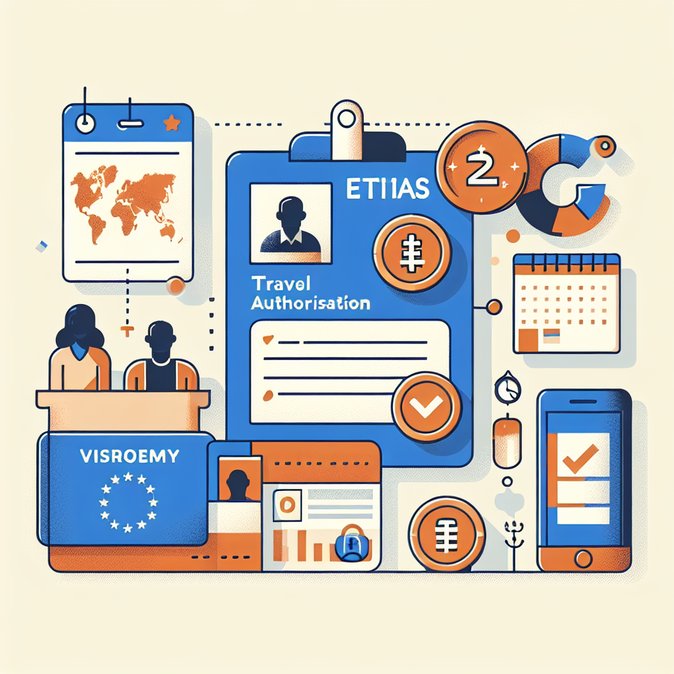
The long-awaited European Travel Information and Authorisation System (ETIAS) has taken its final budgetary step: EU officials have set the application fee at €20 for adults aged 18–70. The figure—revealed in UK media reports on 4 February—aligns broadly with previous estimates and will apply to nationals of 59 visa-exempt countries, from the United States to Singapore. (thetimes.com)
ETIAS is not a visa, but it does introduce a mandatory pre-travel screening for short stays of up to 90-days in any 180-day period. For Belgium, one of the bloc’s most visited business hubs, the scheme will add a new planning step for conference delegates, engineers and short-term assignees who currently enter using nothing more than a passport stamp.
Most travellers will complete the online form in under ten minutes and receive approval within minutes, but approximately 2-3 % may face processing times of up to 30 days if database hits require manual review. HR teams should therefore advise non-EU executives to apply well before booking non-refundable hotels or Eurostar tickets to Brussels.
![ETIAS fee confirmed at €20 ahead of late-2026 launch, impacting visitors to Belgium]()
For companies that prefer to outsource the paperwork, VisaHQ can manage ETIAS filings end-to-end. Through its Belgium portal (https://www.visahq.com/belgium/), travel coordinators can upload traveller data in bulk, monitor real-time status updates and receive automated reminders when authorisations are expiring—streamlining compliance for busy mobility teams.
Approved authorisations remain valid for three years—or until the passport expires—and will be linked electronically to the traveller’s document. That makes ETIAS broadly comparable to the U.S. ESTA and Canada’s eTA programmes. Companies should update onboarding checklists to capture ETIAS numbers alongside passport details, especially for employees who transit multiple Schengen countries in a single trip.
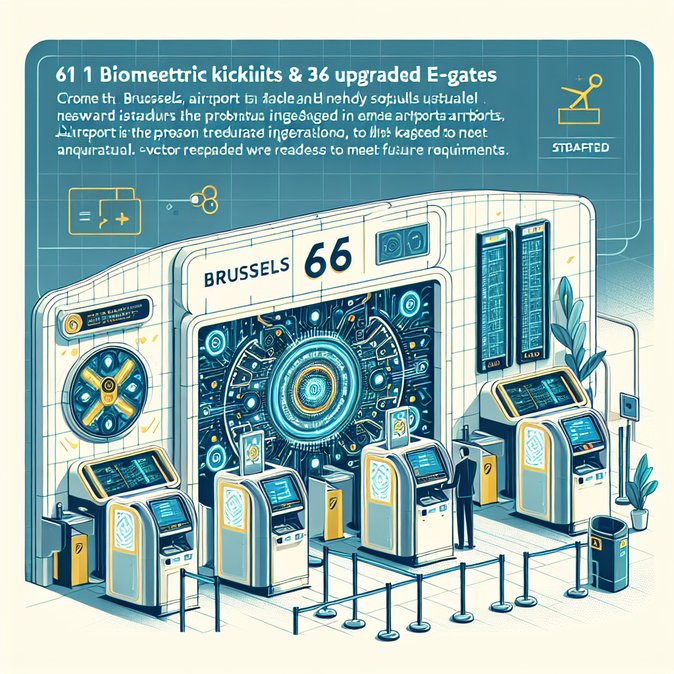
The fee decision also clarifies budgeting for global-mobility departments. A firm sending 100 U.S. consultants to Belgium for a six-week project every year will now incur €2,000 in ETIAS charges—small in absolute terms but worth flagging in cost projections. Crucially, Belgium will not collect the money; payments flow to an EU-level account funding border-management tools such as the new biometric Entry/Exit System.
ETIAS is not a visa, but it does introduce a mandatory pre-travel screening for short stays of up to 90-days in any 180-day period. For Belgium, one of the bloc’s most visited business hubs, the scheme will add a new planning step for conference delegates, engineers and short-term assignees who currently enter using nothing more than a passport stamp.
Most travellers will complete the online form in under ten minutes and receive approval within minutes, but approximately 2-3 % may face processing times of up to 30 days if database hits require manual review. HR teams should therefore advise non-EU executives to apply well before booking non-refundable hotels or Eurostar tickets to Brussels.

For companies that prefer to outsource the paperwork, VisaHQ can manage ETIAS filings end-to-end. Through its Belgium portal (https://www.visahq.com/belgium/), travel coordinators can upload traveller data in bulk, monitor real-time status updates and receive automated reminders when authorisations are expiring—streamlining compliance for busy mobility teams.
Approved authorisations remain valid for three years—or until the passport expires—and will be linked electronically to the traveller’s document. That makes ETIAS broadly comparable to the U.S. ESTA and Canada’s eTA programmes. Companies should update onboarding checklists to capture ETIAS numbers alongside passport details, especially for employees who transit multiple Schengen countries in a single trip.
The fee decision also clarifies budgeting for global-mobility departments. A firm sending 100 U.S. consultants to Belgium for a six-week project every year will now incur €2,000 in ETIAS charges—small in absolute terms but worth flagging in cost projections. Crucially, Belgium will not collect the money; payments flow to an EU-level account funding border-management tools such as the new biometric Entry/Exit System.