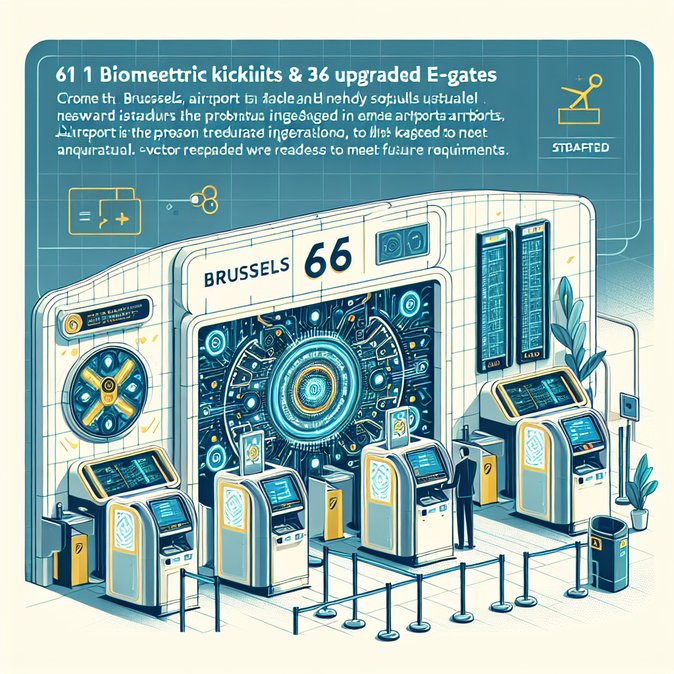
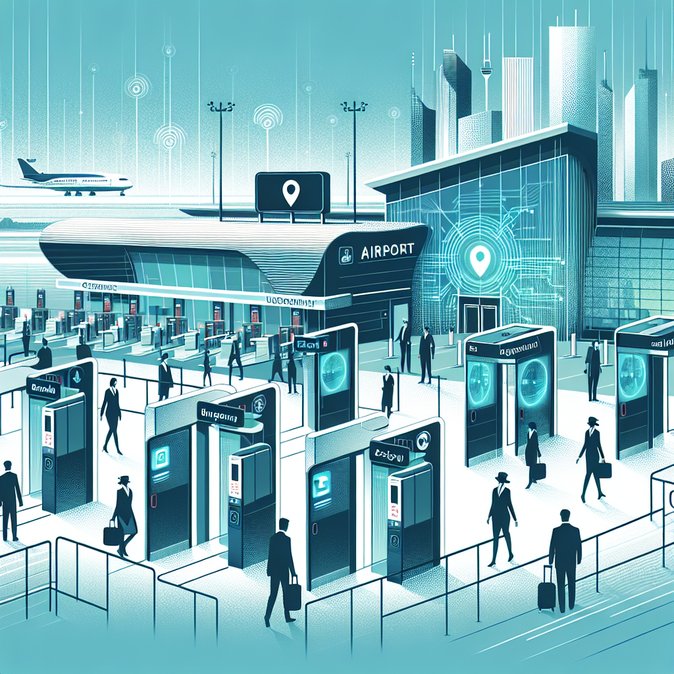
With the clock ticking toward the 10 April 2026 deadline for full Entry/Exit System (EES) compliance, Brussels Airport has finished installing an arsenal of new hardware that will fundamentally change how non-EU passengers move through Belgian borders. The airport confirmed on 3 February that workers have placed 61 self-service biometric kiosks in arrivals, added 12 staffed inspection booths, upgraded 33 legacy counters with high-definition cameras and deployed 36 state-of-the-art e-gates. (brusselsairport.be)
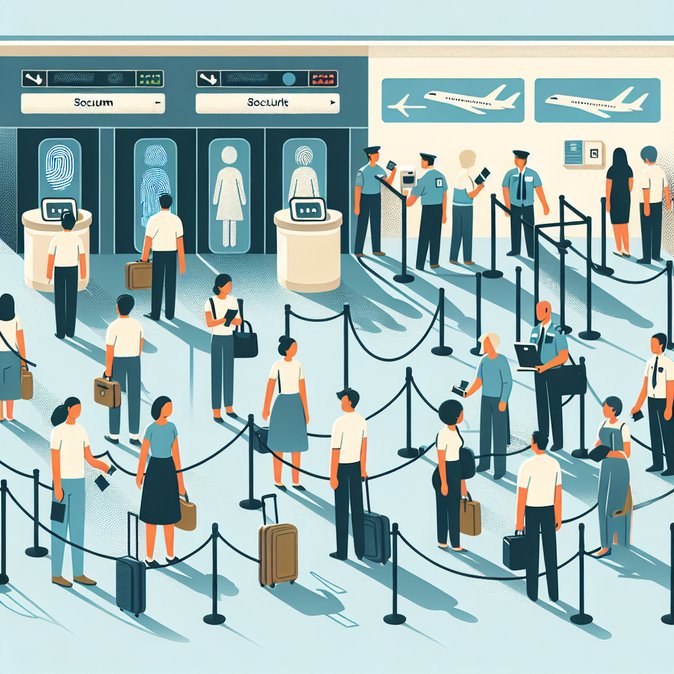
The goal is to spread the EES workload. First-time enrolments—when travellers’ fingerprints and facial images must be captured—can now be done at kiosks before reaching a border officer, reducing the bottleneck at inspection desks. During recent off-peak trials, airport officials recorded average enrolment times of just under two minutes, down from more than four in early pilots.
Belgium’s Federal Police, which owns the legal responsibility for border checks, says the physical infrastructure is now “largely in place,” but warns that staffing remains a concern. The force is still recruiting an additional 120 officers to cope with EES transactions and to support a proposed pilot letting “trusted” nationals of certain visa-waiver countries use the new e-gates.
![Brussels Airport completes major hardware upgrade ahead of EU biometric border regime]()
For travellers anxious about the documentation side of the new regime, VisaHQ can remove much of the guesswork. Its platform lets individuals and corporate mobility teams verify visa needs, order passports or second passports, and receive up-to-date guidance on Belgian entry rules—EES developments included. A dedicated page for Belgium (https://www.visahq.com/belgium/) centralises these services, offering a fast track to compliance while Brussels Airport fine-tunes its processes.
For business travellers, the upgrade has immediate practical implications. Passengers transiting through Brussels are advised to keep passports handy, remove hats and masks before using kiosks, and budget at least 15 extra minutes until the system beds in. Employers should review connection windows on multi-segment tickets—particularly when routing assignees from long-haul flights onto short intra-Schengen hops.
The investment also positions Brussels as a test-bed for wider EU ambitions. If the hybrid kiosk-e-gate model succeeds, other mid-sized airports like Charleroi and Antwerp could adopt similar layouts, creating a more predictable experience for companies rotating staff between multiple Belgian sites.
The goal is to spread the EES workload. First-time enrolments—when travellers’ fingerprints and facial images must be captured—can now be done at kiosks before reaching a border officer, reducing the bottleneck at inspection desks. During recent off-peak trials, airport officials recorded average enrolment times of just under two minutes, down from more than four in early pilots.
Belgium’s Federal Police, which owns the legal responsibility for border checks, says the physical infrastructure is now “largely in place,” but warns that staffing remains a concern. The force is still recruiting an additional 120 officers to cope with EES transactions and to support a proposed pilot letting “trusted” nationals of certain visa-waiver countries use the new e-gates.
For travellers anxious about the documentation side of the new regime, VisaHQ can remove much of the guesswork. Its platform lets individuals and corporate mobility teams verify visa needs, order passports or second passports, and receive up-to-date guidance on Belgian entry rules—EES developments included. A dedicated page for Belgium (https://www.visahq.com/belgium/) centralises these services, offering a fast track to compliance while Brussels Airport fine-tunes its processes.
For business travellers, the upgrade has immediate practical implications. Passengers transiting through Brussels are advised to keep passports handy, remove hats and masks before using kiosks, and budget at least 15 extra minutes until the system beds in. Employers should review connection windows on multi-segment tickets—particularly when routing assignees from long-haul flights onto short intra-Schengen hops.
The investment also positions Brussels as a test-bed for wider EU ambitions. If the hybrid kiosk-e-gate model succeeds, other mid-sized airports like Charleroi and Antwerp could adopt similar layouts, creating a more predictable experience for companies rotating staff between multiple Belgian sites.