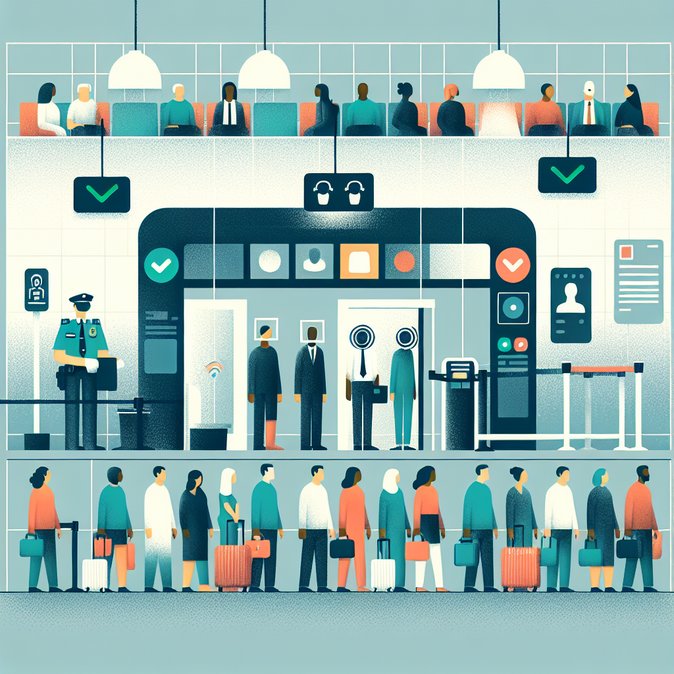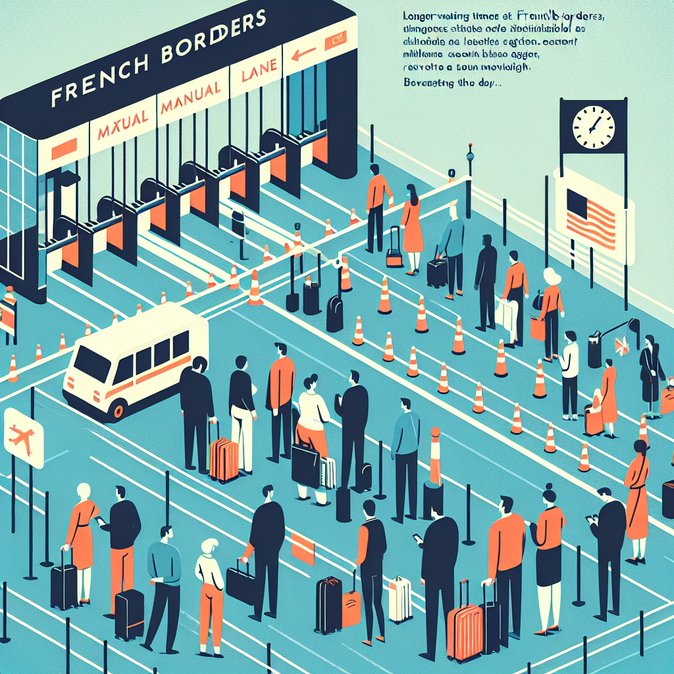
Britons covered by the Brexit Withdrawal Agreement and the roughly 35,000 US nationals holding French cartes de séjour will continue to queue at staffed booths when arriving at Charles-de-Gaulle, Orly and Nice. Border-police officials told The Connexion that software linking PARAFE fast-track gates to the EU’s new Entry/Exit System (EES) cannot yet verify residency status against national databases. The retrofit—originally due this winter—has slipped to “early summer”.(connexionfrance.com)
Until October 2025, many third-country residents used the e-gates without issue, shaving up to 40 minutes off arrivals. But once biometric enrolment became mandatory for first-time EES users, France suspended non-EU access while a patch was developed. The delay now collides with the push to register 100 percent of travellers by April 2026, meaning resident foreigners face the double burden of manual booths and biometric capture.
Need help navigating these shifting entry rules? VisaHQ’s specialists can guide both individuals and corporate mobility teams through French visa, carte de séjour and EES requirements, handle renewals, and provide real-time application tracking. Their streamlined platform is available at https://www.visahq.com/france/
![Technical glitch keeps Britons and Americans with French residency in manual passport lanes until summer]()
For employers the news affects everything from duty-of-care policies to airport-pickup scheduling. Travel managers should allow at least an extra hour on inbound itineraries and remind staff to retain boarding passes in case queues trigger missed-connection compensation claims. Assignees planning spring holidays should also note that passport-control staffing levels vary widely between terminals; Terminal 3 at CDG, for example, has fewer booths and experiences the longest waits.
The Interior Ministry says the updated interface is now in laboratory testing but must pass EU certification before being rolled out to the 423 PARAFE gates nationwide. Once live, eligible residents will tap their residency cards at the gate, then scan their passports and face, completing border formalities in under 30 seconds.
Long-term, the change will align France with the UK’s scheme, which already lets settled EU citizens use e-gates, and should improve data quality for overstays and security watch-lists.
Until October 2025, many third-country residents used the e-gates without issue, shaving up to 40 minutes off arrivals. But once biometric enrolment became mandatory for first-time EES users, France suspended non-EU access while a patch was developed. The delay now collides with the push to register 100 percent of travellers by April 2026, meaning resident foreigners face the double burden of manual booths and biometric capture.
Need help navigating these shifting entry rules? VisaHQ’s specialists can guide both individuals and corporate mobility teams through French visa, carte de séjour and EES requirements, handle renewals, and provide real-time application tracking. Their streamlined platform is available at https://www.visahq.com/france/

For employers the news affects everything from duty-of-care policies to airport-pickup scheduling. Travel managers should allow at least an extra hour on inbound itineraries and remind staff to retain boarding passes in case queues trigger missed-connection compensation claims. Assignees planning spring holidays should also note that passport-control staffing levels vary widely between terminals; Terminal 3 at CDG, for example, has fewer booths and experiences the longest waits.
The Interior Ministry says the updated interface is now in laboratory testing but must pass EU certification before being rolled out to the 423 PARAFE gates nationwide. Once live, eligible residents will tap their residency cards at the gate, then scan their passports and face, completing border formalities in under 30 seconds.
Long-term, the change will align France with the UK’s scheme, which already lets settled EU citizens use e-gates, and should improve data quality for overstays and security watch-lists.