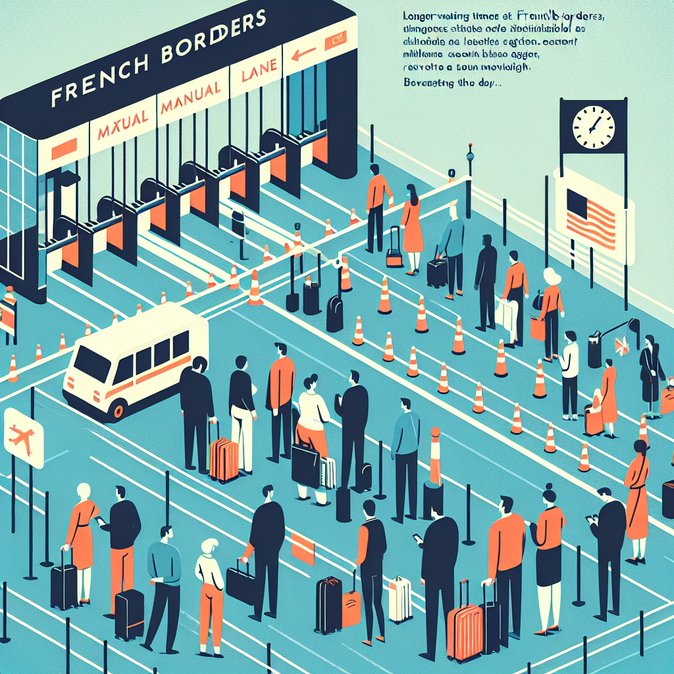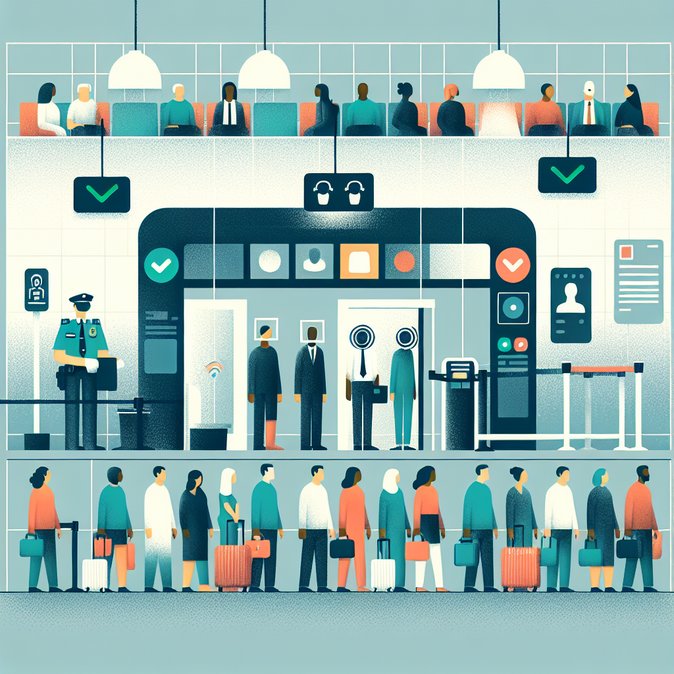
French airports, sea ports and cross-Channel terminals have been given breathing-space after the European Commission confirmed that Member States can pause or scale back use of the new Entry/Exit System (EES) during the 2026 holiday rush. Originally, every external Schengen crossing was meant to record 100 percent of non-EU arrivals’ fingerprints and facial images from 10 April. In practice, teething problems at Paris-Charles-de-Gaulle, Orly, the Eurotunnel and ferry ports have lengthened queues by up to 70 percent and caused a handful of missed connections. In response, Brussels will allow so-called “contingency periods” of up to 90 days (plus a 60-day extension) in which French border police can temporarily revert to manual passport stamps when congestion becomes unmanageable.(euronews.com)
For business travellers and assignees, the reprieve means that the border experience in France will remain a patchwork of manual and biometric checks until at least September. Companies should therefore continue to advise staff to allow extra time on arrival, especially if they have not yet enrolled their biometrics. Mobility managers must also track the staggered increase in mandatory enrolment: 35 percent of eligible passengers have already been targeted since 9 January, and the Interior Ministry still intends to reach full coverage once infrastructure stabilises.
If your organisation needs assistance deciphering the evolving French border procedures or securing the correct entry documents, VisaHQ’s France portal (https://www.visahq.com/france/) offers concise guides and an online concierge service that can pre-check itineraries, calculate Schengen-day balances and arrange required visas in advance, reducing the risk of delays when the EES finally becomes mandatory.
![EU grants France extra flexibility on biometric border checks, pushing full EES rollout beyond the summer]()
The delay does not, however, remove the long-term obligation. Airlines, airport operators and corporate travel teams are rushing to add self-service kiosks, update API feeds and rewrite passenger communications in preparation for the autumn cut-over. Eurostar, for example, plans to double its French border-control booths at London St Pancras and allow boarding 30 minutes earlier to offset bottlenecks created by the kiosks.
Looking further ahead, the EES database will feed directly into ETIAS, the travel-authorisation scheme now slated for late 2026. French authorities warn that once both systems are live, overstays will be detected automatically and could jeopardise future visa-free travel or work-permit renewals. Global-mobility leaders should therefore review time-in-country tracking tools and educate frequent travellers on the 90/180-day Schengen rule.
In the short term, the key takeaway is to build buffers into meeting schedules and flight connections. While the Commission’s flexibility is welcome, executives entering France this summer should still expect sporadic queues and carry printed itineraries in case they are pulled aside for manual processing.
For business travellers and assignees, the reprieve means that the border experience in France will remain a patchwork of manual and biometric checks until at least September. Companies should therefore continue to advise staff to allow extra time on arrival, especially if they have not yet enrolled their biometrics. Mobility managers must also track the staggered increase in mandatory enrolment: 35 percent of eligible passengers have already been targeted since 9 January, and the Interior Ministry still intends to reach full coverage once infrastructure stabilises.
If your organisation needs assistance deciphering the evolving French border procedures or securing the correct entry documents, VisaHQ’s France portal (https://www.visahq.com/france/) offers concise guides and an online concierge service that can pre-check itineraries, calculate Schengen-day balances and arrange required visas in advance, reducing the risk of delays when the EES finally becomes mandatory.

The delay does not, however, remove the long-term obligation. Airlines, airport operators and corporate travel teams are rushing to add self-service kiosks, update API feeds and rewrite passenger communications in preparation for the autumn cut-over. Eurostar, for example, plans to double its French border-control booths at London St Pancras and allow boarding 30 minutes earlier to offset bottlenecks created by the kiosks.
Looking further ahead, the EES database will feed directly into ETIAS, the travel-authorisation scheme now slated for late 2026. French authorities warn that once both systems are live, overstays will be detected automatically and could jeopardise future visa-free travel or work-permit renewals. Global-mobility leaders should therefore review time-in-country tracking tools and educate frequent travellers on the 90/180-day Schengen rule.
In the short term, the key takeaway is to build buffers into meeting schedules and flight connections. While the Commission’s flexibility is welcome, executives entering France this summer should still expect sporadic queues and carry printed itineraries in case they are pulled aside for manual processing.