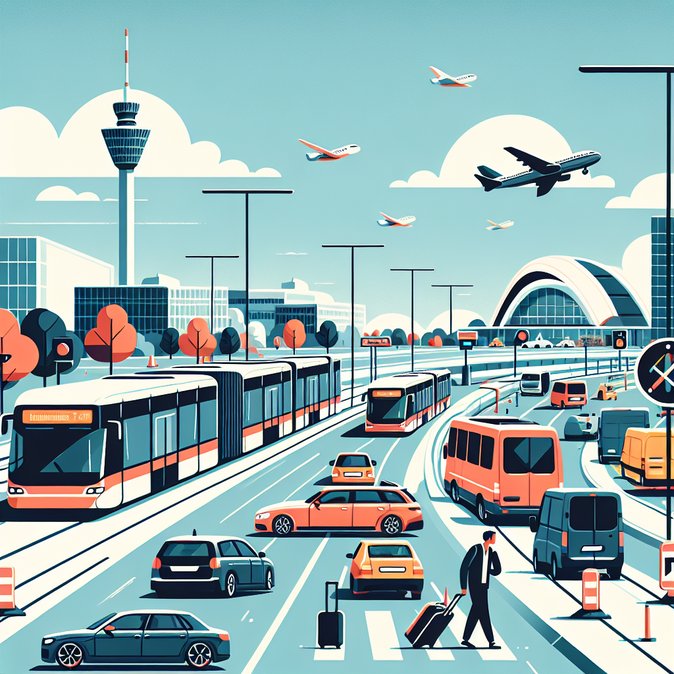
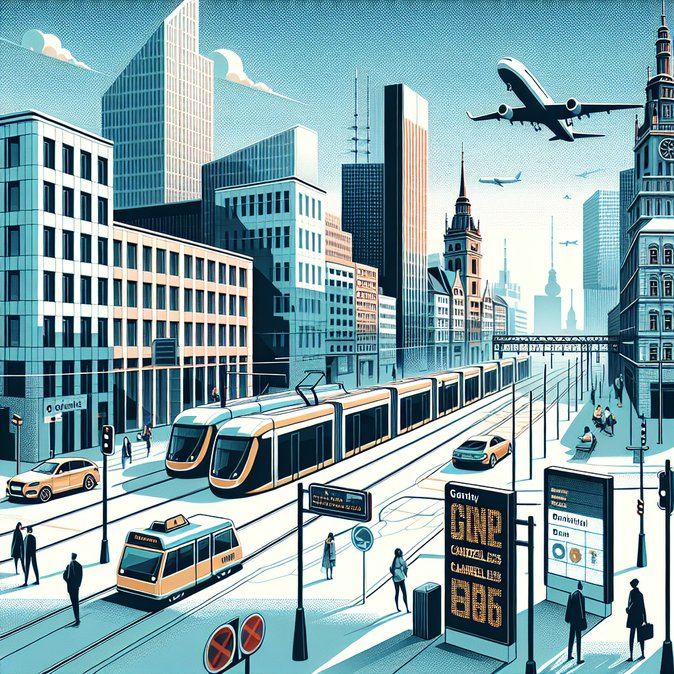
Germany began the working week with disruption on 2 and 3 February 2026 as the services union Ver.di staged 24-hour warning strikes in municipal transport companies from Berlin to Munich. While airport security staff were not on strike, the walk-out halted U-Bahn, tram and most city-bus services that feed major hubs, complicating journeys for departing and arriving passengers. Dortmund Airport urged travellers to use its privately-operated AirportExpress and Shuttle coaches, the only services running on schedule.
The labour unrest comes in the middle of wage talks covering 90 000 employees in local transport. Ver.di is demanding a 9.5 % pay rise plus €180 higher apprentice remuneration; employers have offered just over 5 % and a one-off payment. Negotiations resume on 18 February, and the union has threatened escalated action—including airport ground-handling staff—if talks stall.
Business-travel managers reported missed connections in Frankfurt and Munich as passengers turned to taxis and ride-shares, triggering hour-long queues at peak times. Several multinational firms temporarily shifted meetings online and instructed employees to allow double the normal journey time to reach airports.
![Nation-wide warning strikes snarl local transport and airport access across Germany]()
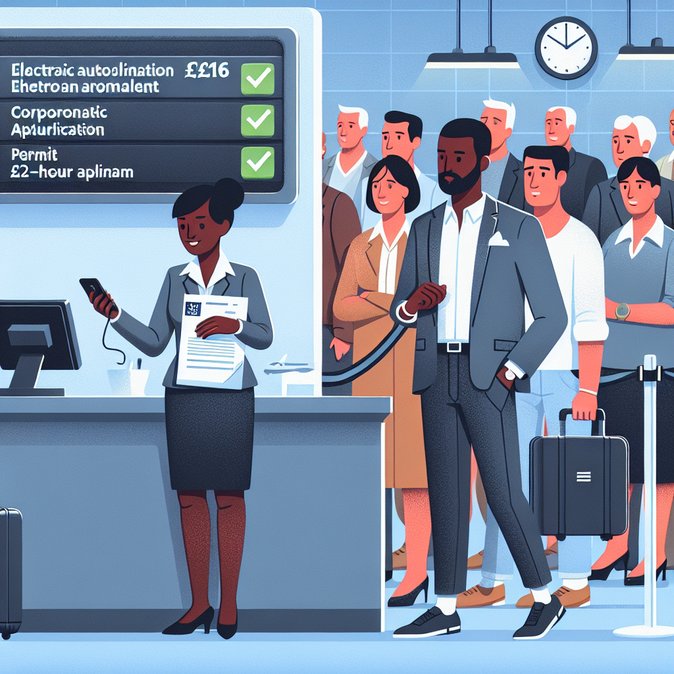
To minimise additional headaches, travellers should also ensure their travel documents are in order. VisaHQ’s Germany portal (https://www.visahq.com/germany/) streamlines the application and renewal of visas and residence permits, offering expedited processing, on-call specialists and real-time status updates—services that can be invaluable when sudden transport strikes force last-minute itinerary changes.
Although Deutsche Bahn main-line trains ran normally, experts warn that wider public-sector bargaining disputes scheduled later in February could yet spill over to federal police responsible for airport security screening, a repeat of the chaos witnessed in early 2025. Companies with mission-critical travel should therefore develop contingency plans, pre-book hotel day-rooms near hubs and activate virtual-meeting protocols.
On the positive side, the strikes have revived calls for accelerated roll-out of through-ticketed long-distance rail to airports—an initiative the Transport Ministry says will be included in its forthcoming National Mobility Strategy.
The labour unrest comes in the middle of wage talks covering 90 000 employees in local transport. Ver.di is demanding a 9.5 % pay rise plus €180 higher apprentice remuneration; employers have offered just over 5 % and a one-off payment. Negotiations resume on 18 February, and the union has threatened escalated action—including airport ground-handling staff—if talks stall.
Business-travel managers reported missed connections in Frankfurt and Munich as passengers turned to taxis and ride-shares, triggering hour-long queues at peak times. Several multinational firms temporarily shifted meetings online and instructed employees to allow double the normal journey time to reach airports.
To minimise additional headaches, travellers should also ensure their travel documents are in order. VisaHQ’s Germany portal (https://www.visahq.com/germany/) streamlines the application and renewal of visas and residence permits, offering expedited processing, on-call specialists and real-time status updates—services that can be invaluable when sudden transport strikes force last-minute itinerary changes.
Although Deutsche Bahn main-line trains ran normally, experts warn that wider public-sector bargaining disputes scheduled later in February could yet spill over to federal police responsible for airport security screening, a repeat of the chaos witnessed in early 2025. Companies with mission-critical travel should therefore develop contingency plans, pre-book hotel day-rooms near hubs and activate virtual-meeting protocols.
On the positive side, the strikes have revived calls for accelerated roll-out of through-ticketed long-distance rail to airports—an initiative the Transport Ministry says will be included in its forthcoming National Mobility Strategy.
More From Germany
View all
Lufthansa marks centenary with 25 new aircraft and upgraded long-haul cabins
EU adopts first-ever Visa Strategy and talent-attraction roadmap—Germany prepares to overhaul procedures