The European Commission has quietly accepted that many Schengen airports and seaports—including Vienna International Airport—will not be technically ready to process every third-country traveller through the new Entry/Exit System (EES) by the original 10 April 2026 deadline. Under a decision announced in Brussels on 2 February and confirmed on 3 February, member states may keep stamping passports manually for up to 90 days, with a possible 60-day extension that would cover the entire summer peak. (euronews.com)
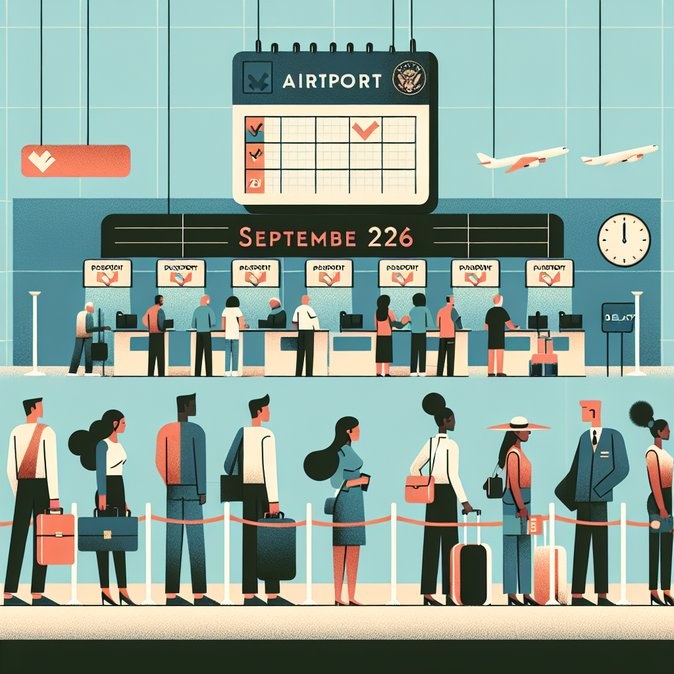
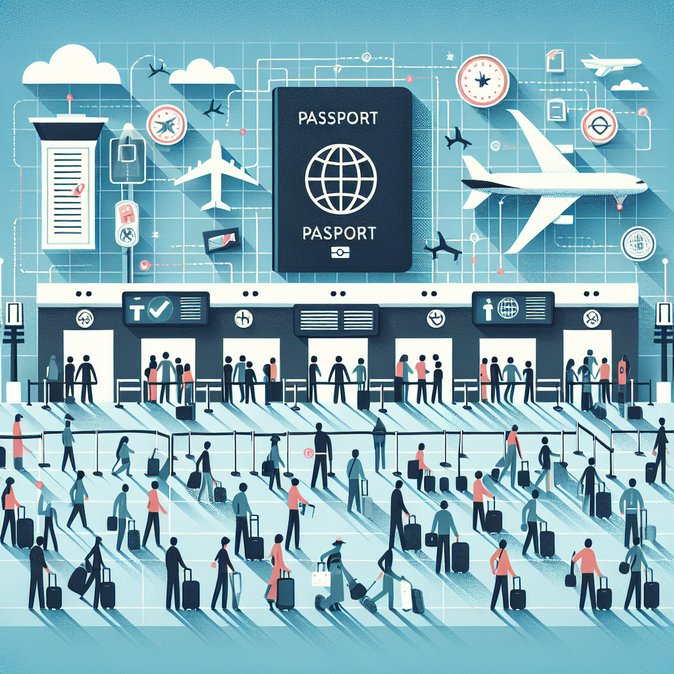
The EES is designed to record the biometric data, entry and exit history of all non-EU visitors and short-stay visa-holders. Austria began a phased roll-out at Vienna in October 2025 and in Salzburg a month later, but the Interior Ministry admits that performance is still patchy: only around one-third of eligible travellers are currently enrolled because several self-service kiosks suffer intermittent outages. Airport Council International Europe warns that border processing times have risen by up to 70 %, with queues occasionally stretching three hours. (bmi.gv.at)
To stay a step ahead of these evolving border formalities, travellers and mobility teams can lean on VisaHQ’s service hub. The platform’s Austria portal (https://www.visahq.com/austria/) consolidates the latest visa requirements, Schengen policy updates and EES implementation news, and can even arrange courier pickup for passport renewals—helping passengers arrive with the right documents and avoid unnecessary queues.
![Brussels lets EU states pause new biometric border checks; Vienna Airport plans hybrid controls for summer]()
By allowing a temporary “pause button”, Brussels hopes to prevent a repeat of the scenes that forced Lisbon Airport to suspend EES checks for three months after seven-hour lines built up in December. Austrian border police will therefore operate a mixed model between April and September: travellers will be funnelled to manual booths when kiosks are saturated, keeping the flow of passengers and transfer connections intact.
For companies that base regional staff or project teams in Austria, the reprieve offers breathing space. Non-EU assignees who commute frequently in and out of Vienna should still budget extra time, but mobility managers can postpone large-scale “enrol-on-first-trip” briefings until the system stabilises. Airlines, meanwhile, gain a few months to integrate the EES Application Programming Interface into mobile boarding passes so that biometric enrolment status is displayed to gate agents.
Looking further ahead, the Interior Ministry insists it will meet the new September “full compliance” date. Vienna Airport has ordered 60 additional Secunet kiosks and negotiated overtime deals with the federal police so that every long-haul arrival bank can be staffed around the clock from mid-August. Organisations that rely on tight connection windows—pharmaceutical exporters shipping temperature-sensitive goods, for example—should monitor the installation timetable closely and consider premium-handling services during the transition.
The EES is designed to record the biometric data, entry and exit history of all non-EU visitors and short-stay visa-holders. Austria began a phased roll-out at Vienna in October 2025 and in Salzburg a month later, but the Interior Ministry admits that performance is still patchy: only around one-third of eligible travellers are currently enrolled because several self-service kiosks suffer intermittent outages. Airport Council International Europe warns that border processing times have risen by up to 70 %, with queues occasionally stretching three hours. (bmi.gv.at)
To stay a step ahead of these evolving border formalities, travellers and mobility teams can lean on VisaHQ’s service hub. The platform’s Austria portal (https://www.visahq.com/austria/) consolidates the latest visa requirements, Schengen policy updates and EES implementation news, and can even arrange courier pickup for passport renewals—helping passengers arrive with the right documents and avoid unnecessary queues.

By allowing a temporary “pause button”, Brussels hopes to prevent a repeat of the scenes that forced Lisbon Airport to suspend EES checks for three months after seven-hour lines built up in December. Austrian border police will therefore operate a mixed model between April and September: travellers will be funnelled to manual booths when kiosks are saturated, keeping the flow of passengers and transfer connections intact.
For companies that base regional staff or project teams in Austria, the reprieve offers breathing space. Non-EU assignees who commute frequently in and out of Vienna should still budget extra time, but mobility managers can postpone large-scale “enrol-on-first-trip” briefings until the system stabilises. Airlines, meanwhile, gain a few months to integrate the EES Application Programming Interface into mobile boarding passes so that biometric enrolment status is displayed to gate agents.
Looking further ahead, the Interior Ministry insists it will meet the new September “full compliance” date. Vienna Airport has ordered 60 additional Secunet kiosks and negotiated overtime deals with the federal police so that every long-haul arrival bank can be staffed around the clock from mid-August. Organisations that rely on tight connection windows—pharmaceutical exporters shipping temperature-sensitive goods, for example—should monitor the installation timetable closely and consider premium-handling services during the transition.