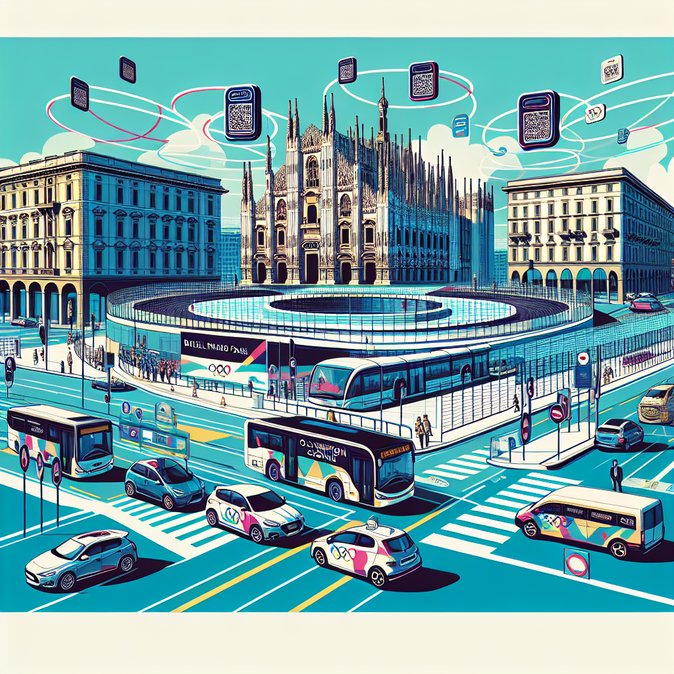
Separate from the police ‘red zones’, Milan’s municipal authorities have issued a detailed mobility plan that kicks in as early as 2 February and escalates around the 6 February opening ceremony. According to a briefing published on 1 February, numerous city-centre roads—including stretches near Piazza Duomo, San Siro and Piazza Scala—will face rolling closures for vehicles and occasionally pedestrians.
A special Olympic ZTL (Limited Traffic Zone) overlays the existing ‘Area C’ congestion charge, but entry is now permitted only with a ‘Pass Auto Territori’ QR-code generated on the Milan Cortina 2026 platform. The pass application portal, originally launched in November 2025, requires vehicle plates, driver ID and proof of purpose (resident, delivery, accredited media, etc.). Processing times currently average 48 hours but can extend to five days for commercial fleets.
If you’re traveling to Italy for the Games and still need to sort out your entry documents, VisaHQ can streamline the visa process for spectators, media crews and corporate staff alike. Their online platform provides clear checklists, real-time status updates and expedited options where available—see https://www.visahq.com/italy/ for details.
![Traffic Restrictions and Digital Pass System Rolled Out for Olympic Venues]()
Public transport adjustments include extended metro hours and a fleet of 60 shuttle buses linking Milano Centrale, Rho-Fiera and the Santa Giulia hub. Taxi ranks at Linate and Malpensa have been moved outside the security cordon, adding an estimated 15 minutes to downtown journeys.
Corporate advice: alert employees that standard car-rental reservations may not suffice; rental agencies are charging €35 for each Pass Auto application. Event planners should double-check supplier access lists, as unregistered vehicles will be towed to the out-of-town impound lot in Segrate.
Environmental upside: the city expects a 20 % reduction in private-car kilometres during the Games, aligning with its post-Expo sustainable-mobility targets. (lamiafinanza.it)
A special Olympic ZTL (Limited Traffic Zone) overlays the existing ‘Area C’ congestion charge, but entry is now permitted only with a ‘Pass Auto Territori’ QR-code generated on the Milan Cortina 2026 platform. The pass application portal, originally launched in November 2025, requires vehicle plates, driver ID and proof of purpose (resident, delivery, accredited media, etc.). Processing times currently average 48 hours but can extend to five days for commercial fleets.
If you’re traveling to Italy for the Games and still need to sort out your entry documents, VisaHQ can streamline the visa process for spectators, media crews and corporate staff alike. Their online platform provides clear checklists, real-time status updates and expedited options where available—see https://www.visahq.com/italy/ for details.

Public transport adjustments include extended metro hours and a fleet of 60 shuttle buses linking Milano Centrale, Rho-Fiera and the Santa Giulia hub. Taxi ranks at Linate and Malpensa have been moved outside the security cordon, adding an estimated 15 minutes to downtown journeys.
Corporate advice: alert employees that standard car-rental reservations may not suffice; rental agencies are charging €35 for each Pass Auto application. Event planners should double-check supplier access lists, as unregistered vehicles will be towed to the out-of-town impound lot in Segrate.
Environmental upside: the city expects a 20 % reduction in private-car kilometres during the Games, aligning with its post-Expo sustainable-mobility targets. (lamiafinanza.it)