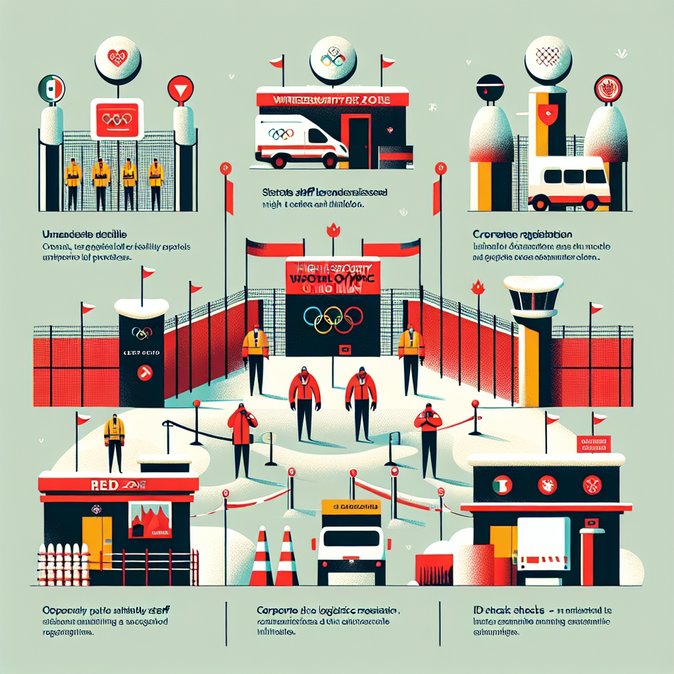
With just four days to go before the Milan-Cortina 2026 Winter Olympics ignite the cauldron in Piazza Sempione, Milan police have activated five ‘zone rosse’—high-security perimeters that restrict access for anyone without accreditation. The measures, detailed on 2 February, will stay in place until 22 February and bring 2,000 extra officers onto the streets.
The red zones encircle the Olympic Village in Porta Romana, the Santa Giulia Ice Hockey Arena, the Ice Park in Rho-Pero, the Assago Ice Skating Arena and the monumental Arch of Peace area where the Olympic flame will burn. Within these areas, anyone with a record of violent or drug-related offences can be expelled on sight under Article 10 of the ‘Daspo urbano’ code. Vehicle access is barred except for residents and logistics providers with digital passes issued by the Questura.
For international visitors juggling accreditation, lodging confirmations and tight event schedules, VisaHQ can simplify at least one piece of the puzzle: paperwork. Through its Italy page (https://www.visahq.com/italy/), the service offers real-time visa requirement checks, expedited passport renewals and courier options—helpful tools when stricter ID controls and time-sensitive deliveries are the norm inside Milan’s red zones.
![Olympic ‘Red Zones’ Come into Force in Milan Ahead of Opening Ceremony]()
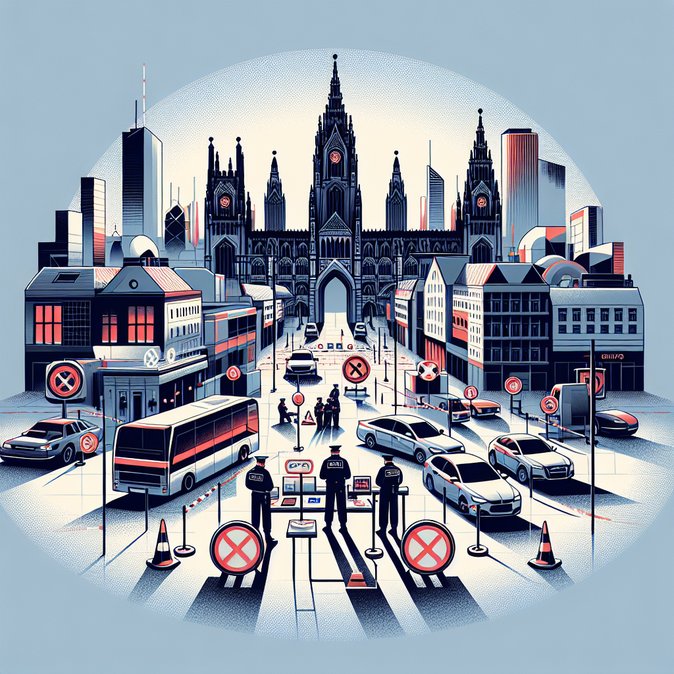
Business impact: Hotels and conference venues inside the perimeters must pre-register guests and delivery vehicles 48 hours in advance; failure to do so can result in denied entry at checkpoints. Corporate mobility managers should reroute airport transfers via the external ring road and allow extra screening time.
The deployment forms part of a broader security plan that includes drone surveillance, licence-plate recognition and a no-fly zone for private aircraft during the opening ceremony. Similar layered security was used during Torino 2006, when average checkpoint wait times peaked at 35 minutes; organisers say new RFID credential readers should halve that.
Travellers should keep passports or national ID cards on hand—even EU citizens—because police patrols have temporary authority to verify identities within the zones. (citynext.it)
The red zones encircle the Olympic Village in Porta Romana, the Santa Giulia Ice Hockey Arena, the Ice Park in Rho-Pero, the Assago Ice Skating Arena and the monumental Arch of Peace area where the Olympic flame will burn. Within these areas, anyone with a record of violent or drug-related offences can be expelled on sight under Article 10 of the ‘Daspo urbano’ code. Vehicle access is barred except for residents and logistics providers with digital passes issued by the Questura.
For international visitors juggling accreditation, lodging confirmations and tight event schedules, VisaHQ can simplify at least one piece of the puzzle: paperwork. Through its Italy page (https://www.visahq.com/italy/), the service offers real-time visa requirement checks, expedited passport renewals and courier options—helpful tools when stricter ID controls and time-sensitive deliveries are the norm inside Milan’s red zones.
Business impact: Hotels and conference venues inside the perimeters must pre-register guests and delivery vehicles 48 hours in advance; failure to do so can result in denied entry at checkpoints. Corporate mobility managers should reroute airport transfers via the external ring road and allow extra screening time.
The deployment forms part of a broader security plan that includes drone surveillance, licence-plate recognition and a no-fly zone for private aircraft during the opening ceremony. Similar layered security was used during Torino 2006, when average checkpoint wait times peaked at 35 minutes; organisers say new RFID credential readers should halve that.
Travellers should keep passports or national ID cards on hand—even EU citizens—because police patrols have temporary authority to verify identities within the zones. (citynext.it)