The European Commission has quietly confirmed that the EU’s new Entry/Exit System (EES) will now reach full operational status in September 2026 instead of April 2026. The decision follows a series of real-world trials that exposed staffing gaps, kiosk bottlenecks and terminal-layout problems at major airports, ferry ports and the Channel Tunnel.
EES replaces the physical passport stamp for non-EU visitors—such as UK holiday-makers and business travellers—with a digital record that captures fingerprints and a facial image on first entry and verifies them on subsequent trips. Since its phased launch in October 2025, around 35 % of third-country arrivals have already undergone the new procedure at selected entry points. Airlines, port operators and travel-trade bodies reported queues of more than two hours during the Christmas peak, prompting warnings that a summer “capacity crunch” could spiral into safety risks inside crowded terminals.
By postponing the scale-up, Brussels gives Schengen members a seven-month breathing space to buy additional kiosks, reconfigure arrival halls and train staff. UK carriers and coach companies that serve Europe welcomed the move; many feared knock-on delays on the UK side because outbound passengers held up in continental ports would miss their booked return slots. Tour operators also see short-term relief for family and school holiday programmes that rely on tight turn-around schedules at Dover and Folkestone.
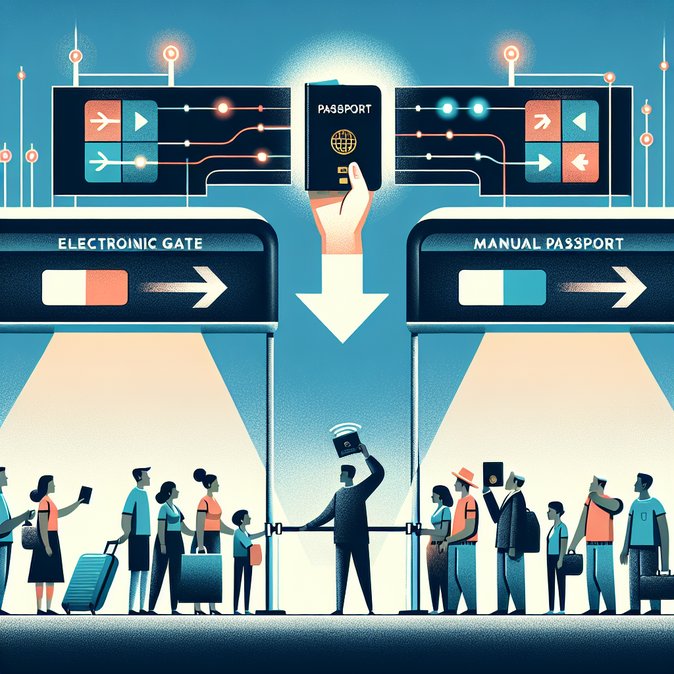
![EU postpones full biometric border rollout to September 2026, easing immediate pressure on UK summer travellers]()
For individual travellers and corporate mobility teams unsure about the evolving EU border requirements, VisaHQ provides up-to-date guidance on EES registration, ETIAS authorisations and Schengen visa options. Its easy online platform—supported by a dedicated London team—helps UK passport holders pre-check documentation, arrange enrolment where available and avoid last-minute surprises. Learn more at https://www.visahq.com/united-kingdom/
Nevertheless, the delay does not scrap the system—travellers should still expect a patchwork of manual stamping and biometric checks through 2026. Firms with pan-European assignee populations are advised to brief employees on possible first-time registration delays and to factor extra dwell-time into itineraries. In the medium term, mobility managers should review travel-risk policies, update FAQ documents and monitor whether destination airports offer dedicated ‘pre-enrolment’ desks to speed the process.
Longer-term, EES will feed data into the linked ETIAS travel-authorisation platform, meaning UK nationals will eventually need both a paid ETIAS approval and successful biometric enrolment. The Commission reiterated that the new timeline keeps the political commitment to strengthen external border control while “minimising disruption to legitimate travel.”
EES replaces the physical passport stamp for non-EU visitors—such as UK holiday-makers and business travellers—with a digital record that captures fingerprints and a facial image on first entry and verifies them on subsequent trips. Since its phased launch in October 2025, around 35 % of third-country arrivals have already undergone the new procedure at selected entry points. Airlines, port operators and travel-trade bodies reported queues of more than two hours during the Christmas peak, prompting warnings that a summer “capacity crunch” could spiral into safety risks inside crowded terminals.
By postponing the scale-up, Brussels gives Schengen members a seven-month breathing space to buy additional kiosks, reconfigure arrival halls and train staff. UK carriers and coach companies that serve Europe welcomed the move; many feared knock-on delays on the UK side because outbound passengers held up in continental ports would miss their booked return slots. Tour operators also see short-term relief for family and school holiday programmes that rely on tight turn-around schedules at Dover and Folkestone.

For individual travellers and corporate mobility teams unsure about the evolving EU border requirements, VisaHQ provides up-to-date guidance on EES registration, ETIAS authorisations and Schengen visa options. Its easy online platform—supported by a dedicated London team—helps UK passport holders pre-check documentation, arrange enrolment where available and avoid last-minute surprises. Learn more at https://www.visahq.com/united-kingdom/
Nevertheless, the delay does not scrap the system—travellers should still expect a patchwork of manual stamping and biometric checks through 2026. Firms with pan-European assignee populations are advised to brief employees on possible first-time registration delays and to factor extra dwell-time into itineraries. In the medium term, mobility managers should review travel-risk policies, update FAQ documents and monitor whether destination airports offer dedicated ‘pre-enrolment’ desks to speed the process.
Longer-term, EES will feed data into the linked ETIAS travel-authorisation platform, meaning UK nationals will eventually need both a paid ETIAS approval and successful biometric enrolment. The Commission reiterated that the new timeline keeps the political commitment to strengthen external border control while “minimising disruption to legitimate travel.”