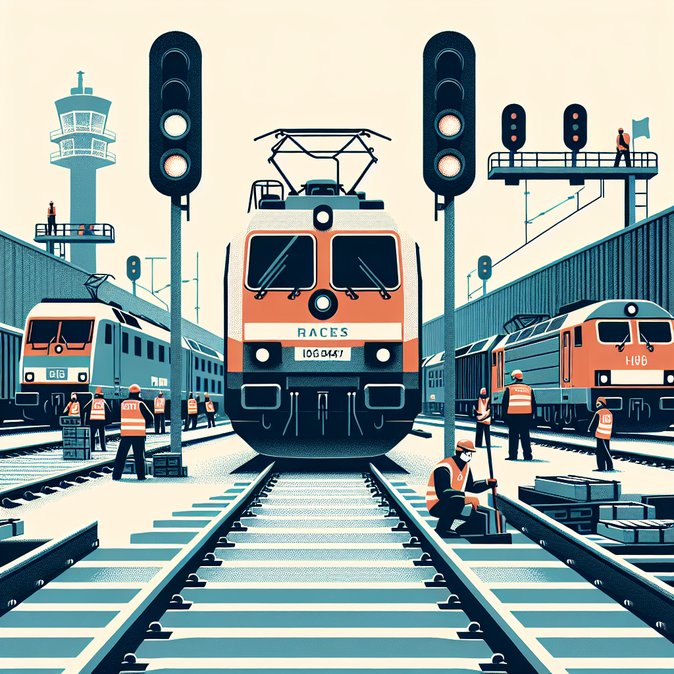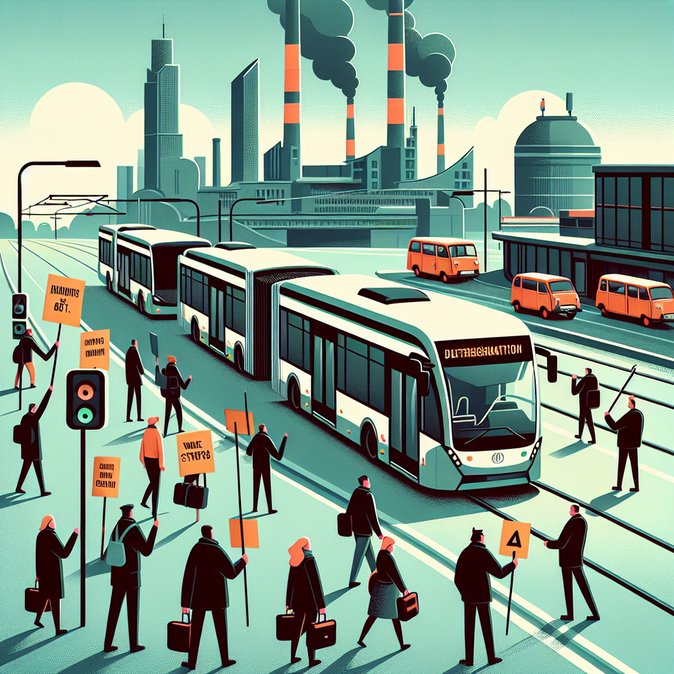
Germany’s powerful services union ver.di has escalated its pay battle with municipal transport employers, announcing a 24-hour warning strike that will begin at 03:00 on Monday, 2 February, and shut down nearly all bus and tram services in North-Rhine Westphalia (NRW). The call, confirmed by regional news outlet RUHR24 on 31 January, will involve some 30,000 drivers, depot staff and dispatchers from Cologne to Düsseldorf and Bonn.
Although S-Bahn and regional trains are exempt, the walkout threatens to paralyse commuter flows into Germany’s densest industrial corridor just as trade-fair season resumes. Mobility advisers for multinational companies such as Bayer, ThyssenKrupp and Vodafone are already drafting contingency plans that include hoteling employees near plants, chartering coaches and shifting internal meetings online.
The strike forms part of stalled wage talks with the Kommunaler Arbeitgeberverband NRW. Ver.di demands shorter weekly hours, longer rest periods and higher night-work premiums before even tabling percentage increases. Employers cite empty municipal coffers and warn that any settlement will ripple into fare hikes.
![ver.di calls statewide 24-hour strike that will halt buses and trams across North-Rhine Westphalia]()
For business travellers flying into Düsseldorf Airport the impact should be limited—airport bus links and regional rail will run—but last-mile transfers inside cities could take hours. Car-hire shortages seen during the January airport-security strike may resurface; booking early is advisable.
If the disruption has prompted you to rethink visa validity or extend stay dates for travelling staff, VisaHQ can expedite German visa and permit applications, handle biometric scheduling and courier logistics, and provide real-time status updates—easing the administrative load on mobility teams. Full details can be found at https://www.visahq.com/germany/
Looking ahead, ver.di threatens broader action in March if no progress is reached in the next bargaining round. HR departments with assignees on tax-sensitive commuter allowances are urged to document extra taxi costs, which can often be reimbursed tax-free as “business travel” under German payroll rules.
Although S-Bahn and regional trains are exempt, the walkout threatens to paralyse commuter flows into Germany’s densest industrial corridor just as trade-fair season resumes. Mobility advisers for multinational companies such as Bayer, ThyssenKrupp and Vodafone are already drafting contingency plans that include hoteling employees near plants, chartering coaches and shifting internal meetings online.
The strike forms part of stalled wage talks with the Kommunaler Arbeitgeberverband NRW. Ver.di demands shorter weekly hours, longer rest periods and higher night-work premiums before even tabling percentage increases. Employers cite empty municipal coffers and warn that any settlement will ripple into fare hikes.
For business travellers flying into Düsseldorf Airport the impact should be limited—airport bus links and regional rail will run—but last-mile transfers inside cities could take hours. Car-hire shortages seen during the January airport-security strike may resurface; booking early is advisable.
If the disruption has prompted you to rethink visa validity or extend stay dates for travelling staff, VisaHQ can expedite German visa and permit applications, handle biometric scheduling and courier logistics, and provide real-time status updates—easing the administrative load on mobility teams. Full details can be found at https://www.visahq.com/germany/
Looking ahead, ver.di threatens broader action in March if no progress is reached in the next bargaining round. HR departments with assignees on tax-sensitive commuter allowances are urged to document extra taxi costs, which can often be reimbursed tax-free as “business travel” under German payroll rules.