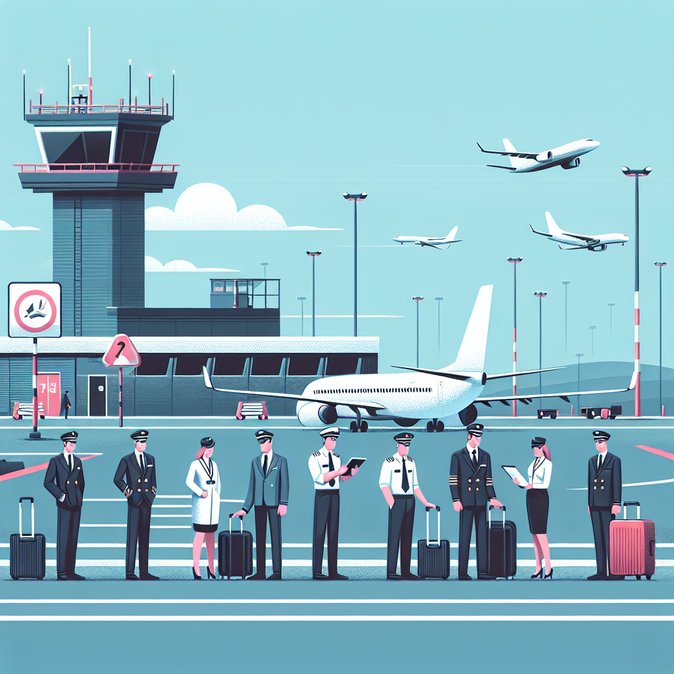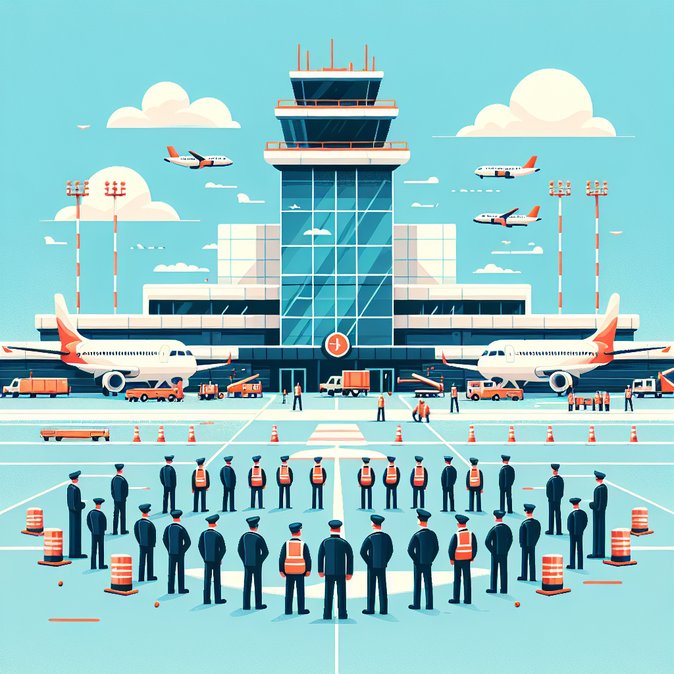
Finnair’s long-running labour dispute resurfaced on 29 January when ground-handling and catering staff staged a surprise four-hour walkout, forcing the flag-carrier to cancel 143 flights and disrupt travel plans for some 18,000 passengers. The action—called by the Aviation Union (IAU) and the Finnish Pilots’ Association—hit domestic and short-haul European services hardest, snarling connections at Helsinki Airport and rippling across the oneworld network.(akm.ru)
Unions accuse management of failing to index wages to inflation and of outsourcing support functions to lower-cost subcontractors. Finnair counters that cost discipline is vital after three years of COVID headwinds and the closure of Russian airspace, which has rerouted its core Asia traffic. Talks mediated by the National Conciliator collapsed last week, and unions have warned of rolling stoppages if no deal is reached.(akm.ru)
![Finnair Labour Unrest Spurs New Wave of Flight Cancellations]()
For travellers suddenly rerouted through other European hubs, up-to-date visa documentation can become an unexpected headache. VisaHQ’s Finland portal (https://www.visahq.com/finland/) offers rapid Schengen visa processing, real-time entry guidance, and expert support for neighbouring countries—giving mobility managers a safety net when last-minute itinerary changes arise during Finnair’s ongoing disruptions.
For mobility managers the immediate priority is traveller duty-of-care. Finnair says it rebooked most affected passengers within 24 hours, but limited seat availability means some corporate travellers will face multi-stop routings via Stockholm or Copenhagen. Companies with Nordic commuter traffic should review contingency agreements with SAS, Norwegian and rail operators. HR departments moving assignees in or out of Finland are advised to pad relocation timelines by several days until the dispute is settled.
In the medium term, repeated strikes threaten Helsinki’s status as a reliable hub, especially with transfer traffic already dampened by longer Asia routes. Industry analysts note that protracted industrial action could nudge premium passengers toward rival hubs such as Stockholm Arlanda or Frankfurt, undercutting Finnair’s recovery strategy.
Unions accuse management of failing to index wages to inflation and of outsourcing support functions to lower-cost subcontractors. Finnair counters that cost discipline is vital after three years of COVID headwinds and the closure of Russian airspace, which has rerouted its core Asia traffic. Talks mediated by the National Conciliator collapsed last week, and unions have warned of rolling stoppages if no deal is reached.(akm.ru)

For travellers suddenly rerouted through other European hubs, up-to-date visa documentation can become an unexpected headache. VisaHQ’s Finland portal (https://www.visahq.com/finland/) offers rapid Schengen visa processing, real-time entry guidance, and expert support for neighbouring countries—giving mobility managers a safety net when last-minute itinerary changes arise during Finnair’s ongoing disruptions.
For mobility managers the immediate priority is traveller duty-of-care. Finnair says it rebooked most affected passengers within 24 hours, but limited seat availability means some corporate travellers will face multi-stop routings via Stockholm or Copenhagen. Companies with Nordic commuter traffic should review contingency agreements with SAS, Norwegian and rail operators. HR departments moving assignees in or out of Finland are advised to pad relocation timelines by several days until the dispute is settled.
In the medium term, repeated strikes threaten Helsinki’s status as a reliable hub, especially with transfer traffic already dampened by longer Asia routes. Industry analysts note that protracted industrial action could nudge premium passengers toward rival hubs such as Stockholm Arlanda or Frankfurt, undercutting Finnair’s recovery strategy.