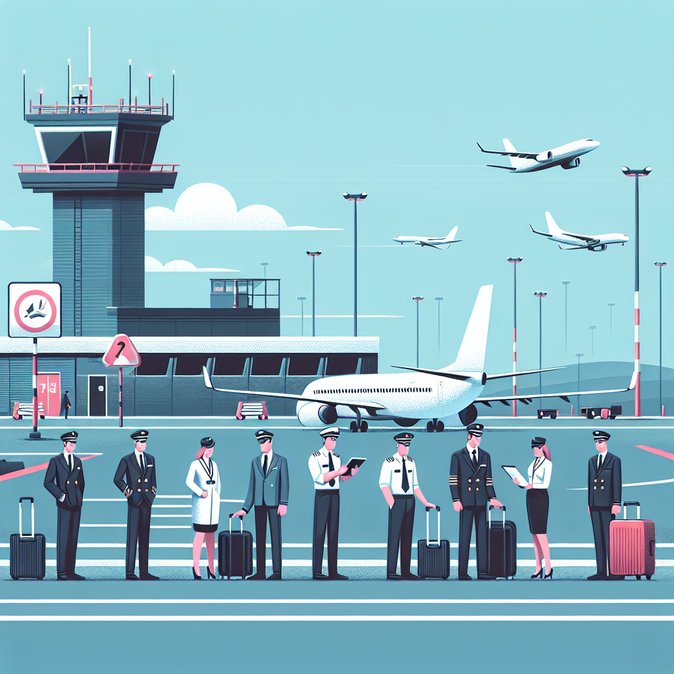
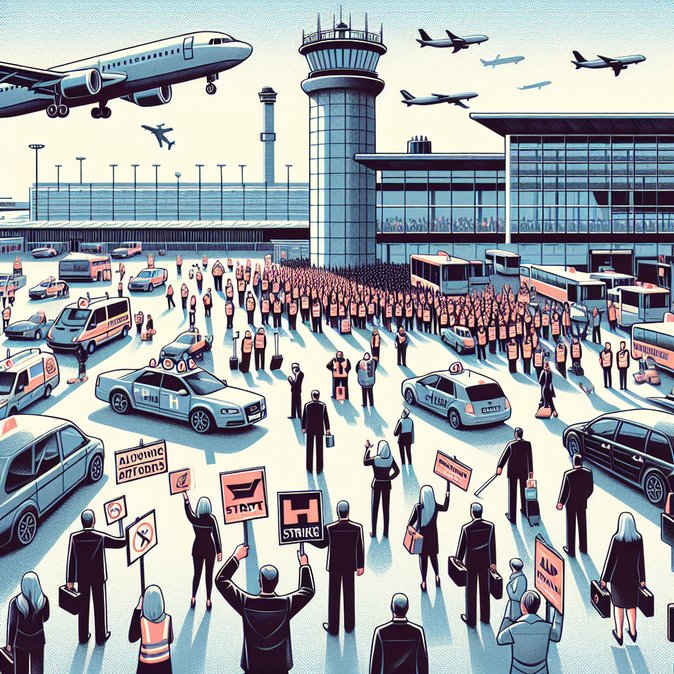
Finland’s long-running aviation labour dispute flared again on 29 January 2026 when baggage-handlers, caterers and other ground-service staff staged a one-day strike that paralysed Finnair’s domestic and short-haul European network. The action, called by the Aviation Union (IAU) and the Finnish Pilots’ Association (SLL), forced the state-owned carrier to cancel 143 departures between 17 and 20 June and to pre-emptively scrub a further 128 services on 19 June in order to reposition aircraft and crews.
Although the stoppage was limited to Helsinki-Vantaa and a handful of regional airports, the knock-on effects were felt across Europe as passengers missed onward connections to Asia and North America. Finnair confirmed that some 260,000 customers have been affected by rolling industrial action since December 2024, with re-routing costs now exceeding €40 million. Travel-management companies warned corporate clients to avoid tight connections through Helsinki for the rest of the week, noting that baggage backlogs could persist once operations resume.
At the heart of the dispute is a demand for automatic wage indexation to inflation and improved roster predictability. Finnair argues that it cannot meet union claims while the airline is still recovering from the loss of its Siberian overflight corridors and facing sharply higher fuel bills on polar routes to Asia. Management points to an ageing wide-body fleet and a €240 million 2025 operating loss as evidence that cost discipline is essential.
![Fresh Finnair walk-out cancels 143 flights and threatens wider winter travel chaos]()
For international passengers still planning travel through Finland, ensuring visas and travel authorisations are in order can remove at least one layer of uncertainty. VisaHQ’s Finland portal (https://www.visahq.com/finland/) offers quick online applications, requirements checks and status tracking, helping both individual travellers and corporate mobility teams keep paperwork streamlined even as flight schedules remain volatile.
For businesses, the strike reignites concerns about the reliability of Helsinki as a hub for executive travel and freight. Exporters of high-value electronics and pharmaceuticals—sectors that favour Finnair’s cold-chain capacity—face potential delays at a time when supply-chain resilience is already under pressure. Mobility managers are therefore advising travellers to build in extra buffer time or route via Stockholm and Copenhagen, while insurers remind firms to check policy wording around “labour unrest” clauses.
Finnair and the unions are due back at the National Conciliator’s Office on 31 January, but observers fear that, without government mediation or a creative wage-indexation formula, further stoppages could spill into the busy ski-charter season in February. Companies with time-sensitive assignments in Finland should monitor the situation daily and register travellers with the MFA’s Travel Notification system for real-time alerts.
Although the stoppage was limited to Helsinki-Vantaa and a handful of regional airports, the knock-on effects were felt across Europe as passengers missed onward connections to Asia and North America. Finnair confirmed that some 260,000 customers have been affected by rolling industrial action since December 2024, with re-routing costs now exceeding €40 million. Travel-management companies warned corporate clients to avoid tight connections through Helsinki for the rest of the week, noting that baggage backlogs could persist once operations resume.
At the heart of the dispute is a demand for automatic wage indexation to inflation and improved roster predictability. Finnair argues that it cannot meet union claims while the airline is still recovering from the loss of its Siberian overflight corridors and facing sharply higher fuel bills on polar routes to Asia. Management points to an ageing wide-body fleet and a €240 million 2025 operating loss as evidence that cost discipline is essential.
For international passengers still planning travel through Finland, ensuring visas and travel authorisations are in order can remove at least one layer of uncertainty. VisaHQ’s Finland portal (https://www.visahq.com/finland/) offers quick online applications, requirements checks and status tracking, helping both individual travellers and corporate mobility teams keep paperwork streamlined even as flight schedules remain volatile.
For businesses, the strike reignites concerns about the reliability of Helsinki as a hub for executive travel and freight. Exporters of high-value electronics and pharmaceuticals—sectors that favour Finnair’s cold-chain capacity—face potential delays at a time when supply-chain resilience is already under pressure. Mobility managers are therefore advising travellers to build in extra buffer time or route via Stockholm and Copenhagen, while insurers remind firms to check policy wording around “labour unrest” clauses.
Finnair and the unions are due back at the National Conciliator’s Office on 31 January, but observers fear that, without government mediation or a creative wage-indexation formula, further stoppages could spill into the busy ski-charter season in February. Companies with time-sensitive assignments in Finland should monitor the situation daily and register travellers with the MFA’s Travel Notification system for real-time alerts.