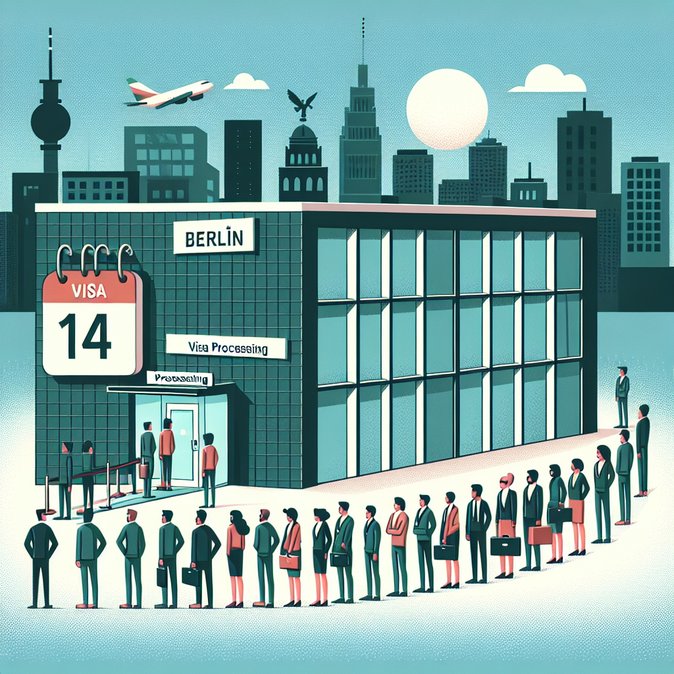
The German Embassy in Accra quietly updated its consular notice on 28 January 2026, informing applicants that—effective immediately—the standard processing time for Schengen visas has doubled from seven to 14 calendar days. The mission said the change is linked to a forthcoming expansion of appointment slots from 1 May, designed to accommodate an expected post-pandemic surge in Ghanaian leisure and business travel to Germany.
New appointment categories will separate tourist, family-visit and special-purpose travellers (e.g., medical treatment or trade-fair delegates). While the embassy will make more slots available, officials cautioned that only “complete applications” will be accepted and reminded travellers that they may lodge files up to six months before their intended departure.
![German Embassy in Accra Extends Schengen Visa Processing Time to 14 Days]()
Travellers who would prefer professional assistance can turn to VisaHQ’s Germany page (https://www.visahq.com/germany/), where the service walks users through each document requirement, flags common errors and even offers secure courier options—helpful tools for ensuring that an application is truly “complete” before an embassy appointment.
For German corporates moving staff from Ghana to headquarters, the longer lead time necessitates earlier planning. Mobility teams should issue step-by-step checklists and verify that invitation letters, insurance and proof-of-funds meet current requirements. Failure to adjust timelines could delay onboarding and trigger project-cost overruns.
The longer processing window is likely to remain until the embassy finishes training additional visa officers later this year. Employers are therefore advised to synchronise talent-arrival dates with the new 14-day benchmark and to explore remote-work options during the interim.
New appointment categories will separate tourist, family-visit and special-purpose travellers (e.g., medical treatment or trade-fair delegates). While the embassy will make more slots available, officials cautioned that only “complete applications” will be accepted and reminded travellers that they may lodge files up to six months before their intended departure.

Travellers who would prefer professional assistance can turn to VisaHQ’s Germany page (https://www.visahq.com/germany/), where the service walks users through each document requirement, flags common errors and even offers secure courier options—helpful tools for ensuring that an application is truly “complete” before an embassy appointment.
For German corporates moving staff from Ghana to headquarters, the longer lead time necessitates earlier planning. Mobility teams should issue step-by-step checklists and verify that invitation letters, insurance and proof-of-funds meet current requirements. Failure to adjust timelines could delay onboarding and trigger project-cost overruns.
The longer processing window is likely to remain until the embassy finishes training additional visa officers later this year. Employers are therefore advised to synchronise talent-arrival dates with the new 14-day benchmark and to explore remote-work options during the interim.