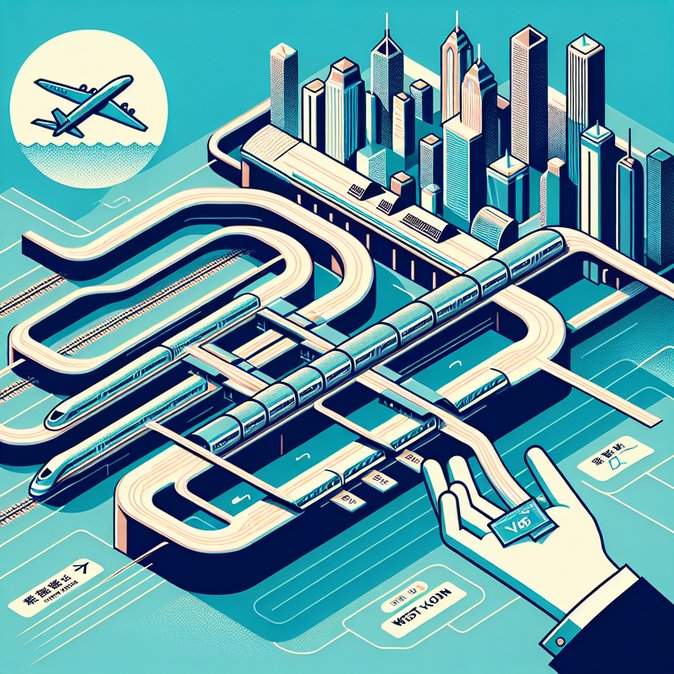
Hong Kong’s cross-border high-speed rail network marked another milestone on 26 January 2026, when the MTR Corporation inaugurated services to 16 additional mainland Chinese cities—including Nanjing, Wuxi, Hefei, Yangzhou and Taizhou—taking the total network to 110 destinations reachable from West Kowloon Station. Speaking at the opening ceremony, Secretary for Transport and Logistics Mable Chan described the expansion as a “new chapter” for Hong Kong’s role as a super-connector linking global travellers with the Chinese mainland.
To stimulate immediate take-up, the rail operator unveiled a limited-time “buy one, get one free” promotion for West Kowloon-Futian tickets. The offer, available from 27 January through selected online platforms such as Klook, Trip.com and HopeGoo, effectively halves the cost of the most popular cross-border day-trip for businesspeople and shoppers. Corporate mobility managers expect the discounted fares to encourage executives to replace short-haul flights with rail on city-pair journeys such as Hong Kong–Nanjing, given the through-train’s four-hour end-to-end timing and city-centre-to-city-centre convenience.
Whether you’re planning a spontaneous weekend in Nanjing or a quick turnaround factory visit in Wuxi, VisaHQ can smooth the process of securing the necessary travel documents. Through its Hong Kong portal (https://www.visahq.com/hong-kong/), the service guides travellers through mainland China visa requirements, lets them complete applications online and offers real-time status tracking—saving valuable time that can now be spent on the train rather than in consulate queues.
![Hong Kong-Mainland high-speed rail adds 16 new cities and launches ‘buy-one-get-one’ ticket deal]()
The latest upgrade comes barely a year after high-speed services resumed full operations post-pandemic. Passenger demand has surged, with West Kowloon handling more than 30,000 daily departures during the recent National Day “Golden Week”. MTRC engineers added extra immigration lanes and e-channel gates ahead of the roll-out to handle peak flows, while the Mainland’s China Railway Guangzhou Group allocated additional train paths along the busy Beijing–Shanghai corridor.
For globally mobile talent, the expansion simplifies access to eastern China’s manufacturing belt. A Hong Kong–based supply-chain manager can now depart West Kowloon at 08:00, arrive in Wuxi before lunch for factory inspections, and be back in Hong Kong the same evening without the time overhead of airport security and transfers. Travel-management companies predict that multinational firms will re-write their China travel policies to prioritise rail for sub-1,200-kilometre sectors, citing lower carbon emissions—about one-fifth of an equivalent flight—and cost savings of up to 40 per cent.
Industry analysts also note the wider economic impact. Tourism Board officials expect the added rail connectivity to support the government’s target of 50 million mainland visitor trips in 2026, while real-estate consultants foresee a spike in ‘rail-city’ weekend home purchases by Hong Kong residents in the Yangtze River Delta.
To stimulate immediate take-up, the rail operator unveiled a limited-time “buy one, get one free” promotion for West Kowloon-Futian tickets. The offer, available from 27 January through selected online platforms such as Klook, Trip.com and HopeGoo, effectively halves the cost of the most popular cross-border day-trip for businesspeople and shoppers. Corporate mobility managers expect the discounted fares to encourage executives to replace short-haul flights with rail on city-pair journeys such as Hong Kong–Nanjing, given the through-train’s four-hour end-to-end timing and city-centre-to-city-centre convenience.
Whether you’re planning a spontaneous weekend in Nanjing or a quick turnaround factory visit in Wuxi, VisaHQ can smooth the process of securing the necessary travel documents. Through its Hong Kong portal (https://www.visahq.com/hong-kong/), the service guides travellers through mainland China visa requirements, lets them complete applications online and offers real-time status tracking—saving valuable time that can now be spent on the train rather than in consulate queues.
The latest upgrade comes barely a year after high-speed services resumed full operations post-pandemic. Passenger demand has surged, with West Kowloon handling more than 30,000 daily departures during the recent National Day “Golden Week”. MTRC engineers added extra immigration lanes and e-channel gates ahead of the roll-out to handle peak flows, while the Mainland’s China Railway Guangzhou Group allocated additional train paths along the busy Beijing–Shanghai corridor.
For globally mobile talent, the expansion simplifies access to eastern China’s manufacturing belt. A Hong Kong–based supply-chain manager can now depart West Kowloon at 08:00, arrive in Wuxi before lunch for factory inspections, and be back in Hong Kong the same evening without the time overhead of airport security and transfers. Travel-management companies predict that multinational firms will re-write their China travel policies to prioritise rail for sub-1,200-kilometre sectors, citing lower carbon emissions—about one-fifth of an equivalent flight—and cost savings of up to 40 per cent.
Industry analysts also note the wider economic impact. Tourism Board officials expect the added rail connectivity to support the government’s target of 50 million mainland visitor trips in 2026, while real-estate consultants foresee a spike in ‘rail-city’ weekend home purchases by Hong Kong residents in the Yangtze River Delta.