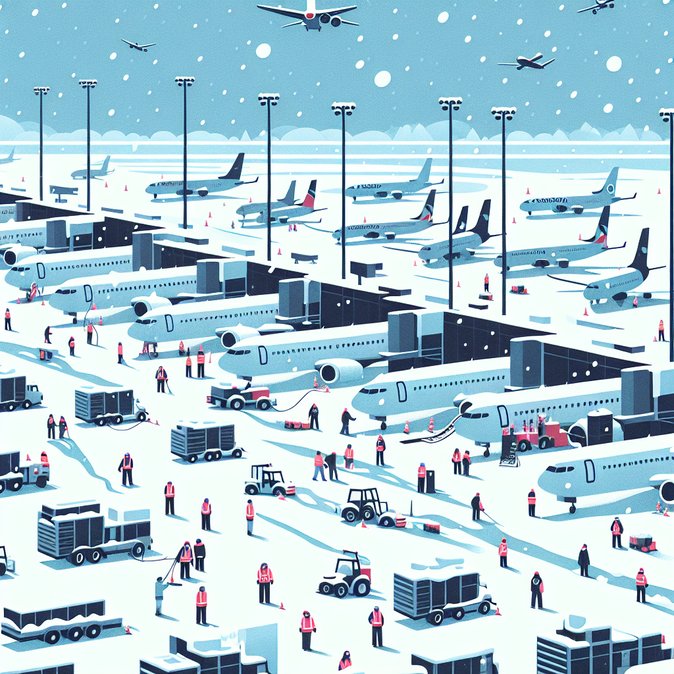
A powerful Arctic front swept across Canada on 2 January 2026, forcing airlines to delay 598 flights and cancel another 98 at major hubs from Vancouver to Halifax. Air Canada, WestJet and regional affiliates Jazz and PAL bore the brunt, with Toronto Pearson alone logging 229 delays and 34 cancellations.
The combination of blizzard conditions, freezing fog and wind-chill values below –40 °C triggered ground-handling slow-downs, de-icing queues and air-traffic flow restrictions. Corporate travel managers report widespread itinerary changes as travellers returning from holiday break scramble to reach client sites and project kick-offs. Some firms have shifted meetings online, while others are re-routing staff through U.S. gateways to bypass Canadian bottlenecks.
![Winter Storm Grounds 598 Flights Across Canada, Disrupting First Business Travel Week of 2026]()
Travellers unexpectedly rerouted through foreign transit points may also need urgent documentation. VisaHQ’s Canada portal (https://www.visahq.com/canada/) can expedite eTAs, visas and passport services on short notice, giving corporations and individual flyers a quick way to stay compliant when winter weather scrambles original plans.
Airports activated irregular-operations (IROPS) plans, opening cots and distributing meal vouchers, but passenger frustration grew as hotel rooms near Pearson and Montréal-Trudeau sold out. Air Canada published flexible rebooking policies through 11 January, allowing no-fee changes to affected tickets. Experts note that weather disruptions compound ongoing crew-shortage challenges: Canadian carriers enter 2026 with multiple pilot and mechanic contracts up for negotiation.
Travellers should check flight status frequently and build buffer days into January itineraries. Employers may wish to review duty-of-care protocols, ensure employees have access to travel-risk apps and clarify expense policies for overnight delays.
The combination of blizzard conditions, freezing fog and wind-chill values below –40 °C triggered ground-handling slow-downs, de-icing queues and air-traffic flow restrictions. Corporate travel managers report widespread itinerary changes as travellers returning from holiday break scramble to reach client sites and project kick-offs. Some firms have shifted meetings online, while others are re-routing staff through U.S. gateways to bypass Canadian bottlenecks.

Travellers unexpectedly rerouted through foreign transit points may also need urgent documentation. VisaHQ’s Canada portal (https://www.visahq.com/canada/) can expedite eTAs, visas and passport services on short notice, giving corporations and individual flyers a quick way to stay compliant when winter weather scrambles original plans.
Airports activated irregular-operations (IROPS) plans, opening cots and distributing meal vouchers, but passenger frustration grew as hotel rooms near Pearson and Montréal-Trudeau sold out. Air Canada published flexible rebooking policies through 11 January, allowing no-fee changes to affected tickets. Experts note that weather disruptions compound ongoing crew-shortage challenges: Canadian carriers enter 2026 with multiple pilot and mechanic contracts up for negotiation.
Travellers should check flight status frequently and build buffer days into January itineraries. Employers may wish to review duty-of-care protocols, ensure employees have access to travel-risk apps and clarify expense policies for overnight delays.