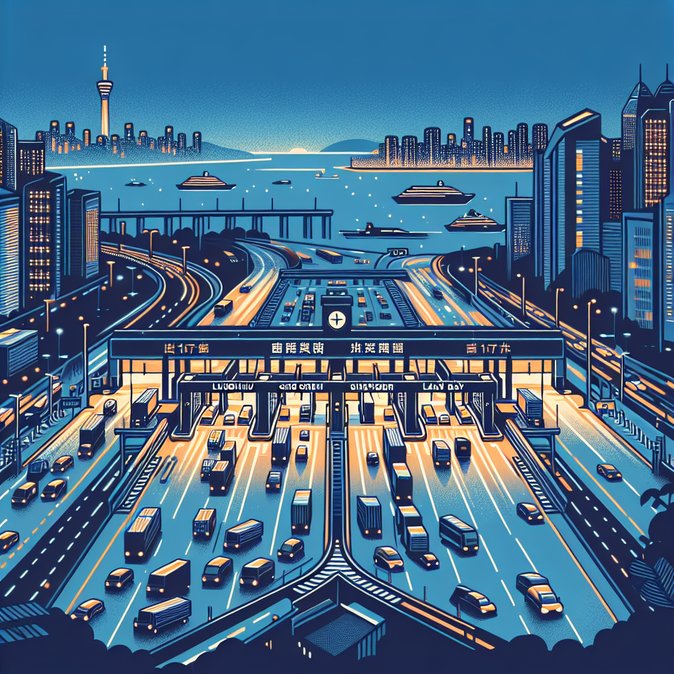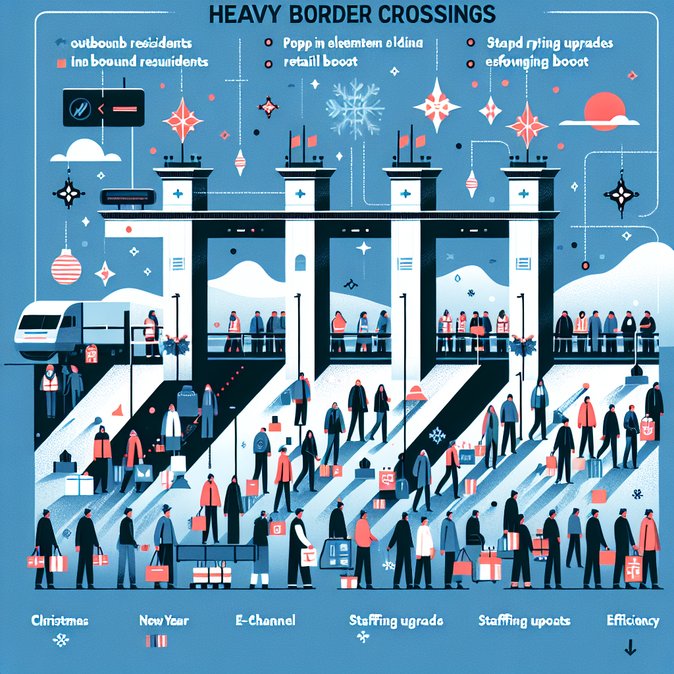
Hong Kong’s Immigration Department has verified that 5.9 million border crossings were processed between 24 and 28 December—the first five-day Christmas stretch since all Covid-19 restrictions were lifted in early 2024. Christmas Day alone shattered records with 1.25 million movements across the city’s nine land checkpoints, three ferry terminals and the airport. Departures (3.7 million) significantly outnumbered arrivals (2.2 million), underscoring Hong Kong residents’ appetite for short breaks in neighbouring Guangdong and long-haul vacations via Shenzhen and Guangzhou airports.
Inbound traffic was nevertheless robust, fuelled by 280 000 mainland visitors and a noticeable rebound in long-haul tourism attracted by a weakened Hong Kong dollar and a packed events calendar. Retail associations report that mainland spending lifted Christmas sales by 12 % year-on-year, with luxury boutiques in Canton Road posting double-digit gains.
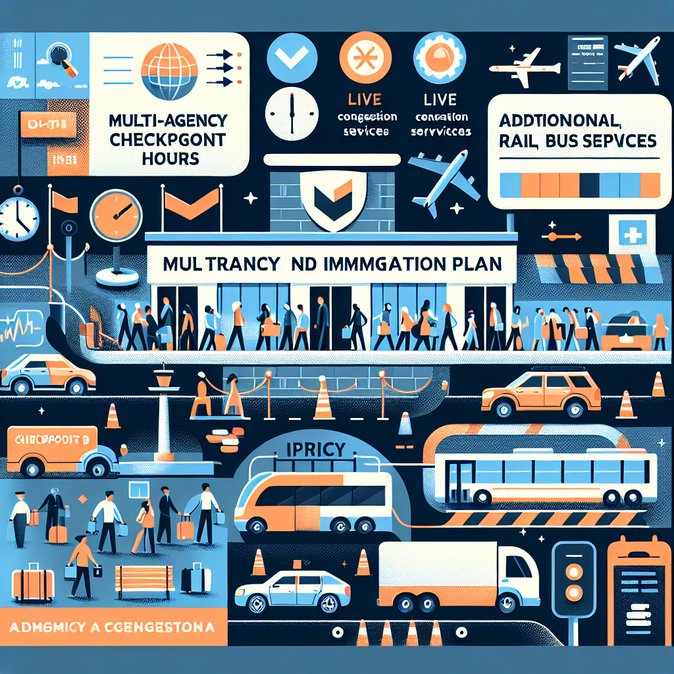
Operationally, Lo Wu rail checkpoint bore the heaviest load, clearing 280 000 passengers on 25 December, while Lok Ma Chau and Shenzhen Bay each exceeded 150 000. New facial-recognition gates and over 700 e-Channels—plus 680 temporary staff—kept average queue times below 20 minutes, giving authorities a successful stress-test before the even larger New Year surge.
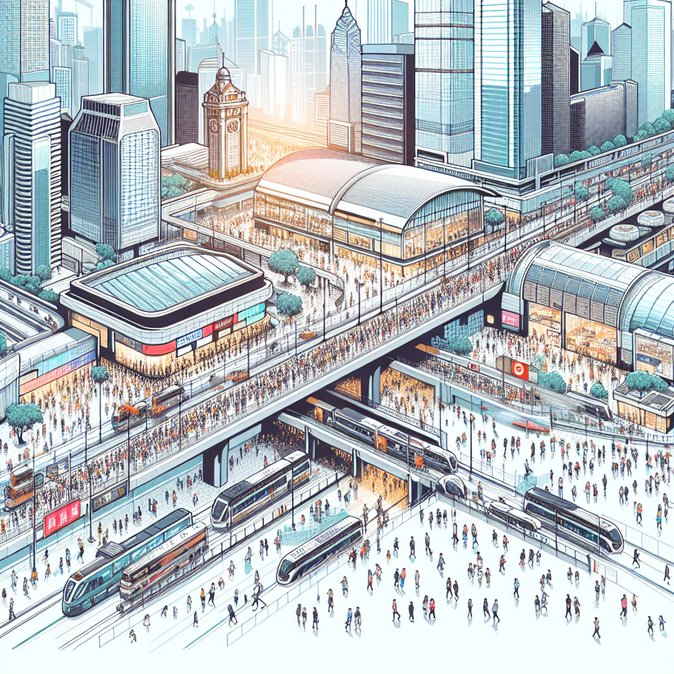
![Christmas long-weekend sees nearly six million passenger movements through Hong Kong checkpoints]()
For travellers who discover that their holiday plans extend beyond the Greater Bay Area, VisaHQ’s Hong Kong portal (https://www.visahq.com/hong-kong/) streamlines visa and passport services for more than 200 destinations, letting users complete applications, schedule consulate appointments and track approvals from a single dashboard—an efficient safety-net when border points are this busy.
For mobility managers, the numbers confirm that cross-boundary commuting patterns have normalised. Thousands of daily workers who live in Shenzhen but staff Hong Kong’s retail, construction and F&B sectors crossed without major delays, easing holiday labour shortages. Companies relying on just-in-time deliveries should nevertheless book coach seats and shuttle permits early for the upcoming Lunar New Year peak, when daily volumes are expected to exceed 1.1 million.
Travellers planning onward journeys—be it Vietnamese e-Visas or the EU’s upcoming ETIAS pre-screening—are advised to use digital visa-processing platforms to avoid administrative snags that could add to holiday congestion.
Inbound traffic was nevertheless robust, fuelled by 280 000 mainland visitors and a noticeable rebound in long-haul tourism attracted by a weakened Hong Kong dollar and a packed events calendar. Retail associations report that mainland spending lifted Christmas sales by 12 % year-on-year, with luxury boutiques in Canton Road posting double-digit gains.
Operationally, Lo Wu rail checkpoint bore the heaviest load, clearing 280 000 passengers on 25 December, while Lok Ma Chau and Shenzhen Bay each exceeded 150 000. New facial-recognition gates and over 700 e-Channels—plus 680 temporary staff—kept average queue times below 20 minutes, giving authorities a successful stress-test before the even larger New Year surge.
For travellers who discover that their holiday plans extend beyond the Greater Bay Area, VisaHQ’s Hong Kong portal (https://www.visahq.com/hong-kong/) streamlines visa and passport services for more than 200 destinations, letting users complete applications, schedule consulate appointments and track approvals from a single dashboard—an efficient safety-net when border points are this busy.
For mobility managers, the numbers confirm that cross-boundary commuting patterns have normalised. Thousands of daily workers who live in Shenzhen but staff Hong Kong’s retail, construction and F&B sectors crossed without major delays, easing holiday labour shortages. Companies relying on just-in-time deliveries should nevertheless book coach seats and shuttle permits early for the upcoming Lunar New Year peak, when daily volumes are expected to exceed 1.1 million.
Travellers planning onward journeys—be it Vietnamese e-Visas or the EU’s upcoming ETIAS pre-screening—are advised to use digital visa-processing platforms to avoid administrative snags that could add to holiday congestion.