After two days of snow-laden disruptions, Air Canada moved on December 30 to ease change fees and fare differences for passengers booked between December 31, 2025 and January 4, 2026 on itineraries touching Toronto Pearson (YYZ), Billy Bishop (YTZ), Montréal-Trudeau (YUL) and Ottawa (YOW). Travellers holding tickets issued on or before December 30 can now rebook once—free of charge—through January 11, 2026.
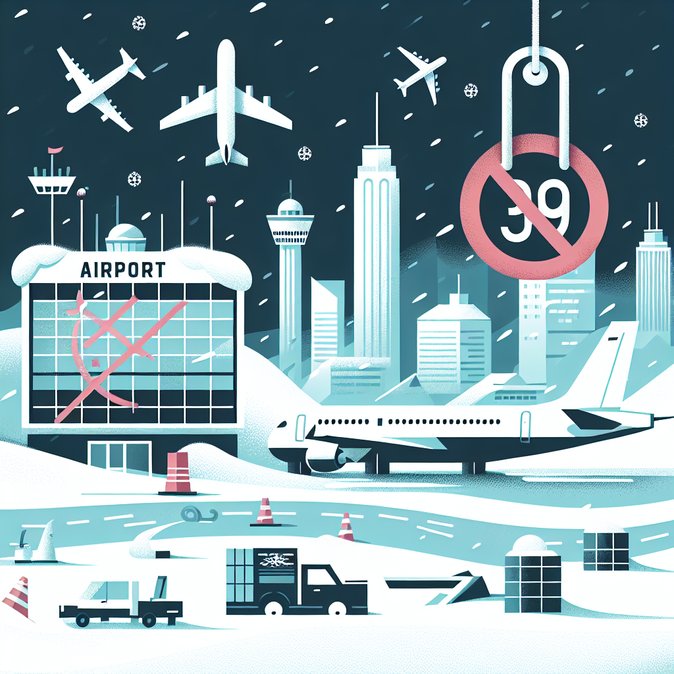
The gesture follows a brutal holiday storm system that forced more than 500 delays and 139 cancellations at Pearson alone. With crews and aircraft out of position, the carrier triggered an “operational recovery” protocol: selective cancellations, equipment swaps and schedule thinning designed to reset the network. Airports in Halifax and St. John’s were also flagged for possible knock-on delays as fronts move east.
![Air Canada Offers Free Rebooking as Weather Chaos Ripples Through Hubs]()
For travellers whose suddenly altered itineraries involve unexpected international stopovers or extended stays, VisaHQ can smooth the process of confirming entry requirements. Its Canada portal (https://www.visahq.com/canada/) lets passengers check visa and eTA rules in seconds and, when necessary, obtain the needed documents in as little as one business day—an invaluable safety net when last-minute schedule changes leave little room for paperwork.
For corporate mobility managers, the waiver provides short-term flexibility but underscores a structural challenge: Canadian carriers have little slack capacity in peak season. Advisers recommend rerouting essential travel through Calgary or Vancouver where weather impacts have been lighter, and holding non-critical trips until the network stabilises—likely after the first weekend of January.
Passengers should rebook online where possible—the call-centre backlog topped two hours on Tuesday—and monitor airport social feeds for gate changes. Air Canada Vacations customers must rebook through the tour operator. The airline warns that additional snow squalls forecast for December 31 could trigger further schedule edits, so same-day travellers should enrol in flight-notification tools and arrive early in case of security-line congestion.
The gesture follows a brutal holiday storm system that forced more than 500 delays and 139 cancellations at Pearson alone. With crews and aircraft out of position, the carrier triggered an “operational recovery” protocol: selective cancellations, equipment swaps and schedule thinning designed to reset the network. Airports in Halifax and St. John’s were also flagged for possible knock-on delays as fronts move east.

For travellers whose suddenly altered itineraries involve unexpected international stopovers or extended stays, VisaHQ can smooth the process of confirming entry requirements. Its Canada portal (https://www.visahq.com/canada/) lets passengers check visa and eTA rules in seconds and, when necessary, obtain the needed documents in as little as one business day—an invaluable safety net when last-minute schedule changes leave little room for paperwork.
For corporate mobility managers, the waiver provides short-term flexibility but underscores a structural challenge: Canadian carriers have little slack capacity in peak season. Advisers recommend rerouting essential travel through Calgary or Vancouver where weather impacts have been lighter, and holding non-critical trips until the network stabilises—likely after the first weekend of January.
Passengers should rebook online where possible—the call-centre backlog topped two hours on Tuesday—and monitor airport social feeds for gate changes. Air Canada Vacations customers must rebook through the tour operator. The airline warns that additional snow squalls forecast for December 31 could trigger further schedule edits, so same-day travellers should enrol in flight-notification tools and arrive early in case of security-line congestion.