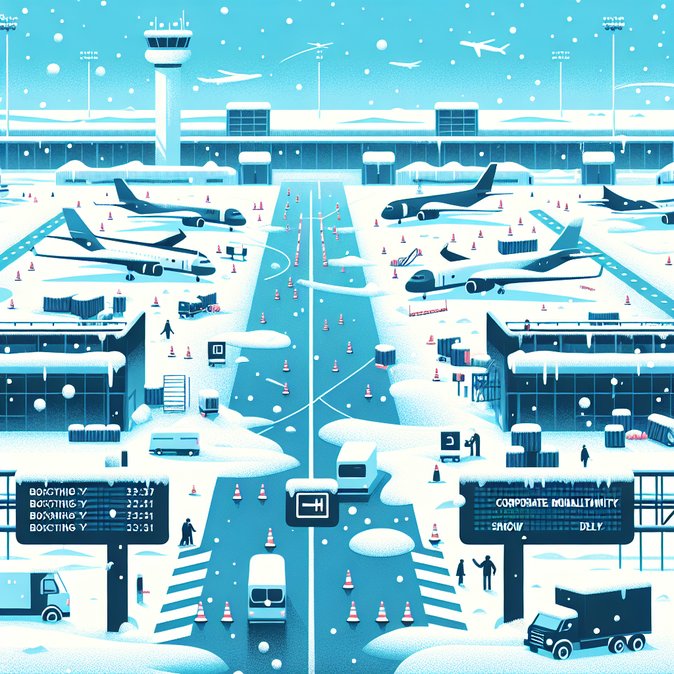
A powerful cold-front windstorm swept across southern Ontario and Québec on December 29, prompting Environment Canada warnings for gusts up to 90 km/h and dense fog that reduced visibility near zero. The weather paralysed operations at Toronto Pearson (YYZ) and Montréal-Trudeau (YUL), Canada’s two busiest international gateways.
Pax Global Media reported that as of 10:15 a.m. EST, 15 % of departures at Pearson were delayed and 7 % cancelled. Ground-handling crews temporarily halted ramp activity when crosswinds exceeded safety thresholds, while de-icing queues stretched beyond 45 minutes. Carriers re-accommodated passengers on later flights, but connecting itineraries—particularly onward to U.S. hubs—faced cascading knock-on delays.
For travelers who suddenly need to reroute through different countries or arrange emergency stopovers, VisaHQ can fast-track visas, update entry requirements in real time, and even coordinate courier passport pickups. Corporate mobility managers can leverage the centralized dashboard at https://www.visahq.com/canada/ to keep multiple employee files current—critical when winter weather forces last-minute itinerary changes.
![Windstorm grounds flights at Toronto Pearson and Montréal-Trudeau, disrupting year-end business travel]()
The disruption hit corporate flyers hard: the final business week of the calendar year typically sees elevated travel by executives closing Q4 deals or returning from holiday. Companies with global-mobility programs should expect duty-of-care queries and potential per-diem overruns as employees are forced to overnight in transit hotels.
Travel-management consultants advise rerouting through western hubs such as Calgary or Vancouver, where operations remain largely unaffected, and recommend checking carrier apps rather than third-party trackers for rebooking inventory, as seat maps change minute-by-minute during irregular ops.
Looking ahead, Environment Canada expects residual crosswinds to linger into the early hours of December 30. Airlines have issued flexible rebook policies for travel through December 31; mobility managers should encourage staff to take advantage before change-fee waivers expire. The episode reinforces the value of including weather-delay clauses in Canadian assignment policies, particularly during peak winter travel.
Pax Global Media reported that as of 10:15 a.m. EST, 15 % of departures at Pearson were delayed and 7 % cancelled. Ground-handling crews temporarily halted ramp activity when crosswinds exceeded safety thresholds, while de-icing queues stretched beyond 45 minutes. Carriers re-accommodated passengers on later flights, but connecting itineraries—particularly onward to U.S. hubs—faced cascading knock-on delays.
For travelers who suddenly need to reroute through different countries or arrange emergency stopovers, VisaHQ can fast-track visas, update entry requirements in real time, and even coordinate courier passport pickups. Corporate mobility managers can leverage the centralized dashboard at https://www.visahq.com/canada/ to keep multiple employee files current—critical when winter weather forces last-minute itinerary changes.

The disruption hit corporate flyers hard: the final business week of the calendar year typically sees elevated travel by executives closing Q4 deals or returning from holiday. Companies with global-mobility programs should expect duty-of-care queries and potential per-diem overruns as employees are forced to overnight in transit hotels.
Travel-management consultants advise rerouting through western hubs such as Calgary or Vancouver, where operations remain largely unaffected, and recommend checking carrier apps rather than third-party trackers for rebooking inventory, as seat maps change minute-by-minute during irregular ops.
Looking ahead, Environment Canada expects residual crosswinds to linger into the early hours of December 30. Airlines have issued flexible rebook policies for travel through December 31; mobility managers should encourage staff to take advantage before change-fee waivers expire. The episode reinforces the value of including weather-delay clauses in Canadian assignment policies, particularly during peak winter travel.