Global mobility teams finally have clarity on what constitutes “proof of French proficiency.” Four arrêtés dated 22 December and published on 26 December – but circulated to stakeholders on 29 December – list the only diplomas and tests acceptable when applying for a carte de séjour or French citizenship.
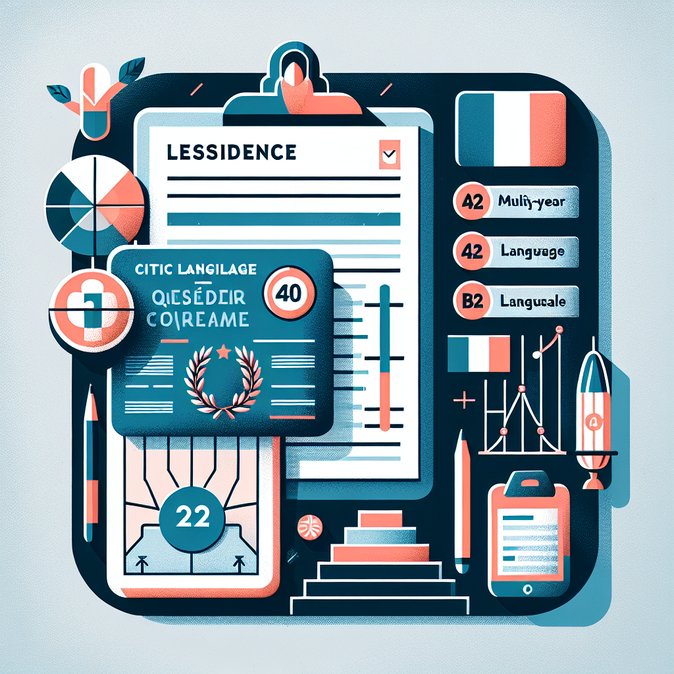
For nationality (B2 level) the government will accept the DELF B2, DALF, the TCF for Nationality and the TEF IRN. For 10-year resident cards (B1) and four-year multi-year cards (A2), streamlined versions of the TCF and TEF as well as certain CAP/BEP vocational diplomas are admissible. Certificates must be less than two years old unless they are a diploma.
Prefectures have long applied the rules unevenly, forcing applicants to retake expensive tests or face rejection. The new orders are legally binding and should end that discretion. They also oblige test providers to issue secure digital score reports with QR-code verification, enabling HR teams to upload evidence to the ANEF online portal.
![Four ministerial orders spell out which French-language certificates count for residency and nationality]()
VisaHQ’s France desk can relieve much of that administrative burden: the team continuously tracks prefectural guidance, schedules accredited language tests, and uploads QR-coded score reports directly to the ANEF system for clients. To learn more about its end-to-end carte de séjour and citizenship support, visit https://www.visahq.com/france/
Employers sponsoring Talent Passport renewals should audit existing files: workers who supplied older certificates may need an updated test when they next extend status. Language-training vendors are already marketing fast-track B1 programmes in Paris, Lyon and Toulouse, anticipating demand.
In the medium term, the harmonisation is expected to speed up adjudication times – currently averaging 63 days for skilled-worker cards – by reducing back-and-forth between prefectures and applicants. Mobility managers should update internal checklists and budget €170-€250 per employee for recognised tests.
For nationality (B2 level) the government will accept the DELF B2, DALF, the TCF for Nationality and the TEF IRN. For 10-year resident cards (B1) and four-year multi-year cards (A2), streamlined versions of the TCF and TEF as well as certain CAP/BEP vocational diplomas are admissible. Certificates must be less than two years old unless they are a diploma.
Prefectures have long applied the rules unevenly, forcing applicants to retake expensive tests or face rejection. The new orders are legally binding and should end that discretion. They also oblige test providers to issue secure digital score reports with QR-code verification, enabling HR teams to upload evidence to the ANEF online portal.

VisaHQ’s France desk can relieve much of that administrative burden: the team continuously tracks prefectural guidance, schedules accredited language tests, and uploads QR-coded score reports directly to the ANEF system for clients. To learn more about its end-to-end carte de séjour and citizenship support, visit https://www.visahq.com/france/
Employers sponsoring Talent Passport renewals should audit existing files: workers who supplied older certificates may need an updated test when they next extend status. Language-training vendors are already marketing fast-track B1 programmes in Paris, Lyon and Toulouse, anticipating demand.
In the medium term, the harmonisation is expected to speed up adjudication times – currently averaging 63 days for skilled-worker cards – by reducing back-and-forth between prefectures and applicants. Mobility managers should update internal checklists and budget €170-€250 per employee for recognised tests.