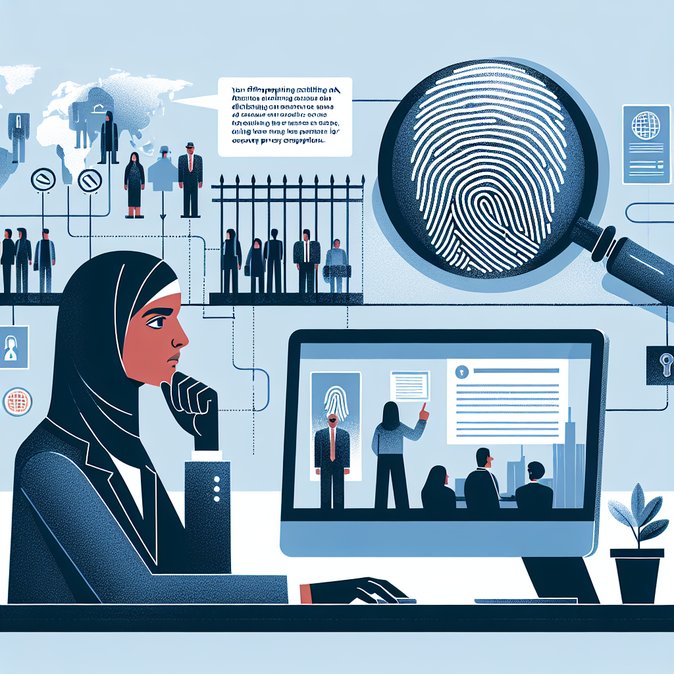
A new U.S. Department of Homeland Security rule that took effect 26 December requires all non-U.S. citizens—including Canadians—to be photographed on both entry and exit and, in some cases, to provide fingerprints and even DNA samples . Age-based exemptions have been scrapped, meaning children and seniors may now be subject to biometric capture.
DHS says the data, retained for up to 75 years, will combat identity fraud and track overstays. Privacy advocates counter that the measure risks “mission creep” and potential misuse of sensitive genetic data — concerns likely to intensify once full roll-out occurs over the next three-to-five years .
To navigate these shifting rules, organizations and individual travellers might consider partnering with a specialist. VisaHQ, for example, maintains a Canada-dedicated portal (https://www.visahq.com/canada/) that tracks real-time U.S. border requirements, guides clients through biometric enrollment, and secures the documentation now demanded by Customs and Border Protection, helping reduce last-minute surprises at the crossing.
![U.S. Begins Full Biometric Exit-Entry Checks—Canadians Included]()
For Canadian companies the immediate impact is longer queues at pre-clearance points and U.S. land borders during the phased implementation. Mobility teams should brief travellers on the expanded procedures, especially minors previously exempt. Employers that collect employee biometrics for access-control systems must ensure new U.S. requirements do not conflict with Canadian privacy statutes.
From a policy standpoint, the move widens the compliance gap between Canada and the U.S.; Ottawa currently limits biometric exit data to airline manifests. Analysts predict pressure on CBSA to mirror U.S. practices, potentially complicating northbound business travel in future.
Travel insurers have also flagged potential claim disputes if denied boarding is linked to biometric non-compliance. HR should confirm that corporate policies treat such incidents as “business-related delays” for per-diem purposes.
DHS says the data, retained for up to 75 years, will combat identity fraud and track overstays. Privacy advocates counter that the measure risks “mission creep” and potential misuse of sensitive genetic data — concerns likely to intensify once full roll-out occurs over the next three-to-five years .
To navigate these shifting rules, organizations and individual travellers might consider partnering with a specialist. VisaHQ, for example, maintains a Canada-dedicated portal (https://www.visahq.com/canada/) that tracks real-time U.S. border requirements, guides clients through biometric enrollment, and secures the documentation now demanded by Customs and Border Protection, helping reduce last-minute surprises at the crossing.

For Canadian companies the immediate impact is longer queues at pre-clearance points and U.S. land borders during the phased implementation. Mobility teams should brief travellers on the expanded procedures, especially minors previously exempt. Employers that collect employee biometrics for access-control systems must ensure new U.S. requirements do not conflict with Canadian privacy statutes.
From a policy standpoint, the move widens the compliance gap between Canada and the U.S.; Ottawa currently limits biometric exit data to airline manifests. Analysts predict pressure on CBSA to mirror U.S. practices, potentially complicating northbound business travel in future.
Travel insurers have also flagged potential claim disputes if denied boarding is linked to biometric non-compliance. HR should confirm that corporate policies treat such incidents as “business-related delays” for per-diem purposes.