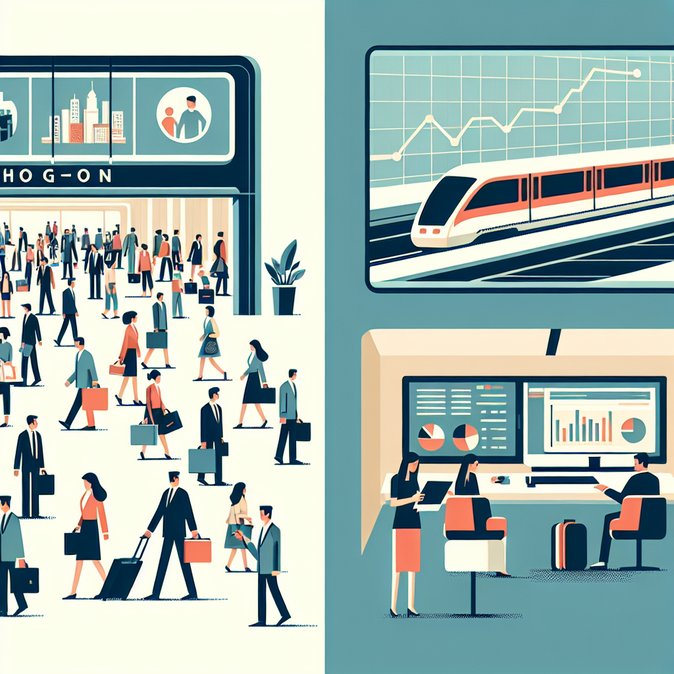
In anticipation of historic holiday crowds, Hong Kong’s transport operators rolled out an unprecedented overnight timetable from the afternoon of 24 December through dawn on Christmas Day. The MTR Corporation kept every line—except Airport Express, Disneyland Resort and the East Rail segment north of Sheung Shui—running around the clock, with three-minute headways on core urban routes. Franchised bus companies added full-night departures on 20 routes and launched five special services connecting New Territories districts to Kowloon interchange hubs; green-minibus operators extended hours on five routes.
The plan, coordinated with Immigration Department crowd forecasts showing late-night surges at Lo Wu and Lok Ma Chau, paid off: MTR recorded only two platform holds longer than five minutes, compared with 14 the previous year, and bus load factors averaged 63 per cent—enough to prevent the gridlock that once stranded cross-border workers.
Travel planners facing similar peak-season uncertainties can outsource the paperwork: VisaHQ’s Hong Kong platform (https://www.visahq.com/hong-kong/) offers real-time status tracking, bulk submissions for corporate accounts, and automated reminders so passports, visas and entry permits never lapse—critical tools when last-minute timetable extensions tempt employees to cross the boundary after hours.
![Overnight Rail and Bus Services Keep Cross-Border Staff Moving Through Christmas Eve]()
For employers the impact is immediate. Reliable overnight public transport means late shifts and same-day Shenzhen-Hong Kong assignments can be scheduled with fewer taxi reimbursements and lower duty-of-care liabilities. Companies still need to ensure cross-border employees have valid travel documents and, where necessary, visas; expedited processing portals such as VisaHQ’s Hong Kong site allow HR teams to manage permits entirely online and avoid last-minute hiccups.
Transport economists argue the success strengthens the case for permanent weekend overnight rail service—a move that would support Hong Kong’s 24-hour-economy ambitions and benefit shift workers who live in Shenzhen but work in the SAR. Mobility managers should also review insurance policies: incidents occurring after midnight may fall outside standard coverage now that public transport operates overnight during major holidays.
The trial provides a blueprint for future mega-events, including next February’s Lunar New Year peak, when border traffic is forecast to eclipse 12 million movements. Extended service windows could well become the norm, reshaping mobility patterns for both leisure and corporate travellers.
The plan, coordinated with Immigration Department crowd forecasts showing late-night surges at Lo Wu and Lok Ma Chau, paid off: MTR recorded only two platform holds longer than five minutes, compared with 14 the previous year, and bus load factors averaged 63 per cent—enough to prevent the gridlock that once stranded cross-border workers.
Travel planners facing similar peak-season uncertainties can outsource the paperwork: VisaHQ’s Hong Kong platform (https://www.visahq.com/hong-kong/) offers real-time status tracking, bulk submissions for corporate accounts, and automated reminders so passports, visas and entry permits never lapse—critical tools when last-minute timetable extensions tempt employees to cross the boundary after hours.

For employers the impact is immediate. Reliable overnight public transport means late shifts and same-day Shenzhen-Hong Kong assignments can be scheduled with fewer taxi reimbursements and lower duty-of-care liabilities. Companies still need to ensure cross-border employees have valid travel documents and, where necessary, visas; expedited processing portals such as VisaHQ’s Hong Kong site allow HR teams to manage permits entirely online and avoid last-minute hiccups.
Transport economists argue the success strengthens the case for permanent weekend overnight rail service—a move that would support Hong Kong’s 24-hour-economy ambitions and benefit shift workers who live in Shenzhen but work in the SAR. Mobility managers should also review insurance policies: incidents occurring after midnight may fall outside standard coverage now that public transport operates overnight during major holidays.
The trial provides a blueprint for future mega-events, including next February’s Lunar New Year peak, when border traffic is forecast to eclipse 12 million movements. Extended service windows could well become the norm, reshaping mobility patterns for both leisure and corporate travellers.