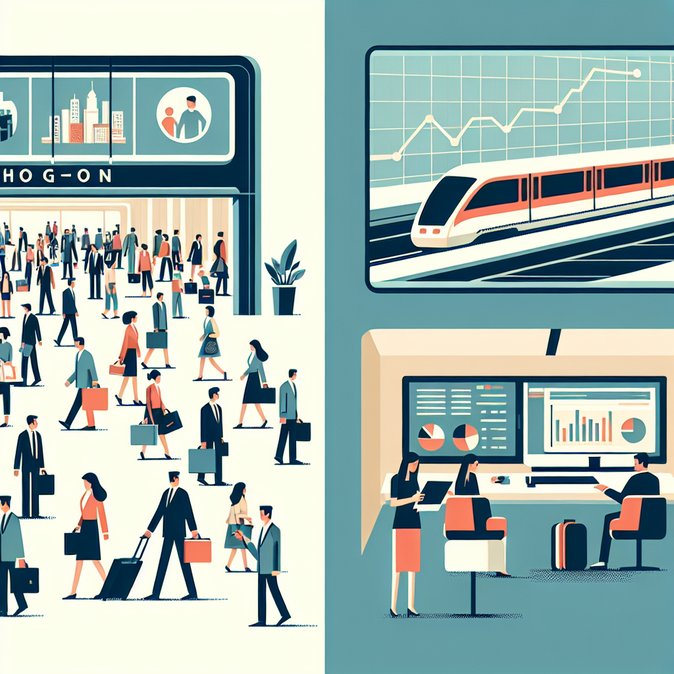
Just a day after shattering Christmas records, Hong Kong’s Immigration Department logged another 1.18 million cross-border movements on 26 December. Of the 622,000 arrivals, 75,000 were mainland visitors—most via the Guangzhou-Shenzhen-Hong Kong Express Rail Link—while departures totalled 558,000, largely holidaying Hongkongers chasing post-Christmas sales and entertainment on the mainland.
Checkpoint data show rail is king for inbound tourists: West Kowloon High-Speed Rail Station handled the bulk of mainland visitors, reflecting the line’s high frequency and simplified ticketing apps. Lo Wu, Lok Ma Chau Spur Line and Shenzhen Bay remained the top three land crossings, collectively managing two-thirds of all traffic.
Travel planners looking to streamline documentation amid this surge can lean on VisaHQ’s Hong Kong portal, which offers real-time visa requirement checks and expedited e-visa processing for both business and leisure trips to over 200 destinations (https://www.visahq.com/hong-kong/). The platform’s concierge service is especially handy for companies coordinating last-minute cross-border meetings during the peak holiday window.
![Boxing Day Follows Suit with 1.18 Million Trips Through Hong Kong Checkpoints]()
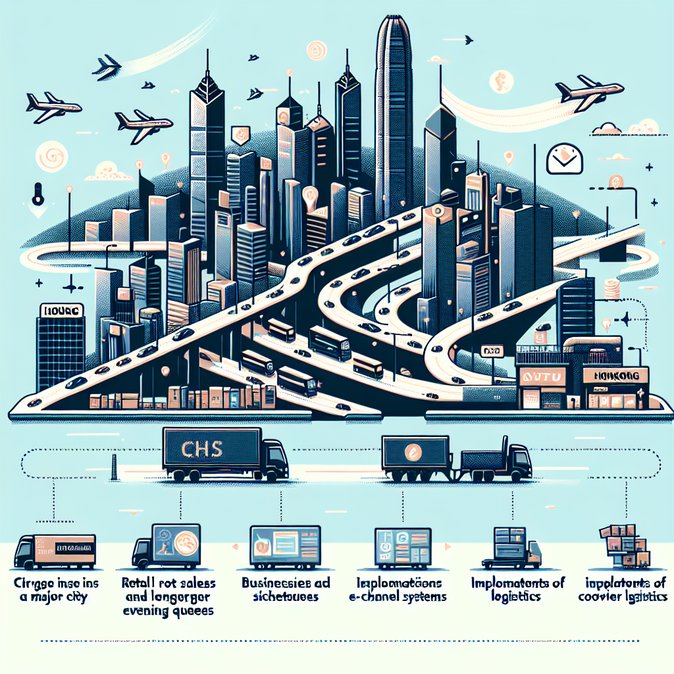
For Hong Kong retailers the continued influx is a windfall. The Hong Kong Retail Management Association projects a 12 per cent jump in seasonal sales, buoyed by Beijing’s duty-free re-import allowance that lets mainland tourists bring luxury goods home tax-free. Mobility managers, however, must contend with service pressure: corporate shuttle operators reported up to 40-minute delays after 6 p.m., prompting advice to pre-book e-Channel access and avoid evening peaks for courier runs between Shenzhen and Hong Kong Science Park.
The Immigration Department expects the combined Christmas-to-New-Year window (24 Dec–4 Jan) to see 11.5 million crossings—around 85 per cent of 2019 levels. Extra inspection counters, crowd-control barriers and a holiday joint command centre have been activated, feeding real-time updates to the “HK-CrossBorder” mobile app.
Businesses should note that the forthcoming “Southbound Travel for Guangdong Vehicles” pilot, slated for early 2026, will add private-car volumes to an already strained network. Firms relying on company-car pools may wish to secure parking quotas on the Hong Kong-Zhuhai-Macao Bridge artificial island ahead of the rush.
Checkpoint data show rail is king for inbound tourists: West Kowloon High-Speed Rail Station handled the bulk of mainland visitors, reflecting the line’s high frequency and simplified ticketing apps. Lo Wu, Lok Ma Chau Spur Line and Shenzhen Bay remained the top three land crossings, collectively managing two-thirds of all traffic.
Travel planners looking to streamline documentation amid this surge can lean on VisaHQ’s Hong Kong portal, which offers real-time visa requirement checks and expedited e-visa processing for both business and leisure trips to over 200 destinations (https://www.visahq.com/hong-kong/). The platform’s concierge service is especially handy for companies coordinating last-minute cross-border meetings during the peak holiday window.

For Hong Kong retailers the continued influx is a windfall. The Hong Kong Retail Management Association projects a 12 per cent jump in seasonal sales, buoyed by Beijing’s duty-free re-import allowance that lets mainland tourists bring luxury goods home tax-free. Mobility managers, however, must contend with service pressure: corporate shuttle operators reported up to 40-minute delays after 6 p.m., prompting advice to pre-book e-Channel access and avoid evening peaks for courier runs between Shenzhen and Hong Kong Science Park.
The Immigration Department expects the combined Christmas-to-New-Year window (24 Dec–4 Jan) to see 11.5 million crossings—around 85 per cent of 2019 levels. Extra inspection counters, crowd-control barriers and a holiday joint command centre have been activated, feeding real-time updates to the “HK-CrossBorder” mobile app.
Businesses should note that the forthcoming “Southbound Travel for Guangdong Vehicles” pilot, slated for early 2026, will add private-car volumes to an already strained network. Firms relying on company-car pools may wish to secure parking quotas on the Hong Kong-Zhuhai-Macao Bridge artificial island ahead of the rush.