Just hours before the year’s busiest shopping weekend, Environment Canada issued more than 60 winter-storm and blowing-snow alerts stretching from Thunder Bay to Halifax. Up to 35 cm of snow fell in north-western Ontario overnight on 26-27 December, with Toronto forecast to receive 8–12 cm by nightfall and Atlantic Canada bracing for 110 km/h gusts.
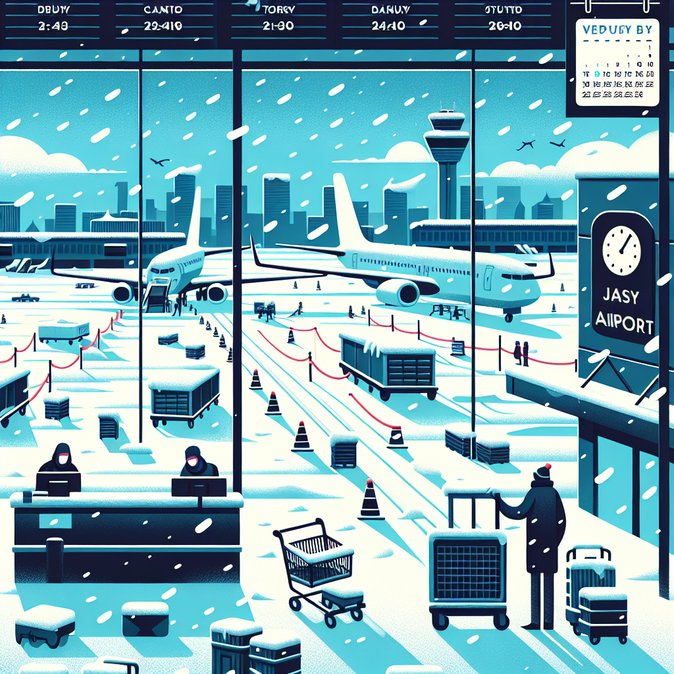
Highways 17 and 401 saw multiple closures as white-out conditions led to jack-knifed lorries and multi-vehicle pile-ups. Marine Atlantic pre-emptively cancelled ferry sailings on the North Sydney–Port aux Basques route, effectively isolating parts of Newfoundland for at least 24 hours. Airports in Toronto, Ottawa and Quebec City warned passengers to expect rolling delays as de-icing demands outpaced available equipment.
Many downtown Toronto employers, including several Big Five banks, activated work-from-home protocols to keep staff off the roads. HR teams faced a flood of queries from foreign assignees unfamiliar with Canadian winter driving norms. Best practice, experts say, is to disseminate clear guidance on emergency supplies, mandatory winter tyres and provincial rules on road closures.
![‘Boxing-Day Blizzard’ Triggers Nationwide Travel Advisories and Remote-Work Orders]()
Amid the scramble, employers and expats alike can lean on VisaHQ’s Canada portal (https://www.visahq.com/canada/) to handle any urgent visa applications, eTA requests or document extensions without having to brave the storm. The platform’s fully online process and real-time status tracking help keep travellers compliant and indoors while bureaucracy is sorted.
For global mobility managers, the storm underscores the value of integrating weather-alert feeds into relocation dashboards. Employers with critical moves scheduled this week may need to authorise additional hotel nights or adjust lease start dates. Travel insurers are reminding policy-holders that claims for weather-related delays require documentation such as carrier notifications and stamped boarding passes.
With climatologists predicting more frequent “bomb-cyclone” events, Environment Canada is assessing whether to enhance its alert system with smartphone push notifications in multiple languages—potentially a boon for newly arrived expatriates.
Highways 17 and 401 saw multiple closures as white-out conditions led to jack-knifed lorries and multi-vehicle pile-ups. Marine Atlantic pre-emptively cancelled ferry sailings on the North Sydney–Port aux Basques route, effectively isolating parts of Newfoundland for at least 24 hours. Airports in Toronto, Ottawa and Quebec City warned passengers to expect rolling delays as de-icing demands outpaced available equipment.
Many downtown Toronto employers, including several Big Five banks, activated work-from-home protocols to keep staff off the roads. HR teams faced a flood of queries from foreign assignees unfamiliar with Canadian winter driving norms. Best practice, experts say, is to disseminate clear guidance on emergency supplies, mandatory winter tyres and provincial rules on road closures.

Amid the scramble, employers and expats alike can lean on VisaHQ’s Canada portal (https://www.visahq.com/canada/) to handle any urgent visa applications, eTA requests or document extensions without having to brave the storm. The platform’s fully online process and real-time status tracking help keep travellers compliant and indoors while bureaucracy is sorted.
For global mobility managers, the storm underscores the value of integrating weather-alert feeds into relocation dashboards. Employers with critical moves scheduled this week may need to authorise additional hotel nights or adjust lease start dates. Travel insurers are reminding policy-holders that claims for weather-related delays require documentation such as carrier notifications and stamped boarding passes.
With climatologists predicting more frequent “bomb-cyclone” events, Environment Canada is assessing whether to enhance its alert system with smartphone push notifications in multiple languages—potentially a boon for newly arrived expatriates.