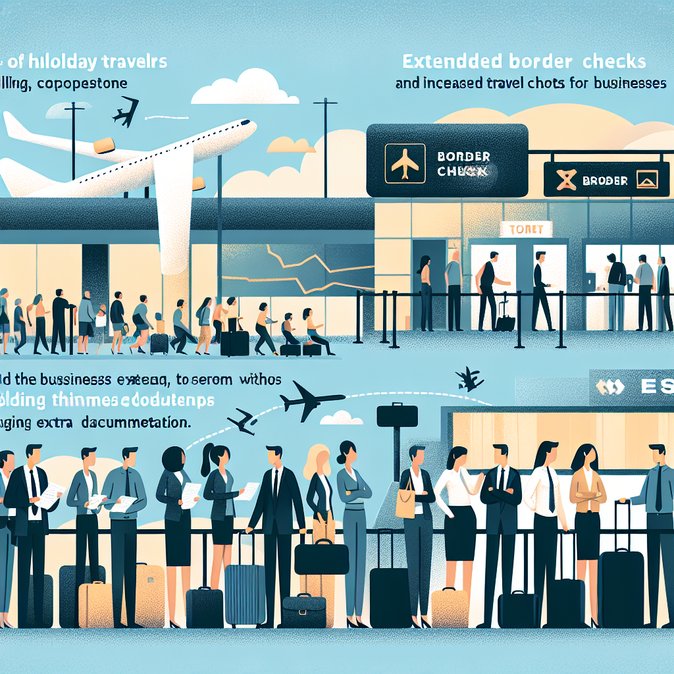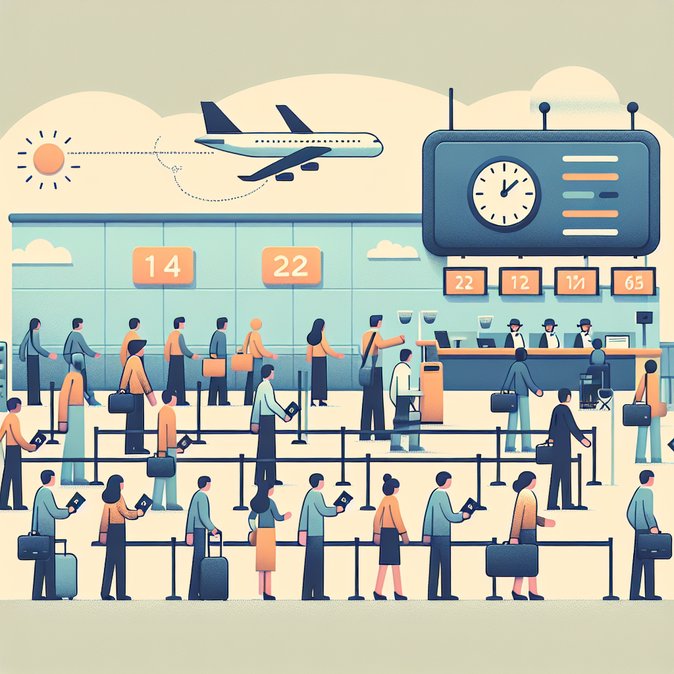
Holiday travel out of Václav Havel Airport Prague ground to a halt on the morning of 19 December when the European Union’s brand-new Entry/Exit System (EES) suffered its first serious outage. A routine overnight software patch failed to load, freezing all 36 fingerprint-and-face kiosks that handle third-country nationals. With no backup e-gates certified, Czech Foreign Police had to switch to manual stamping—an emergency procedure that quadrupled processing times.
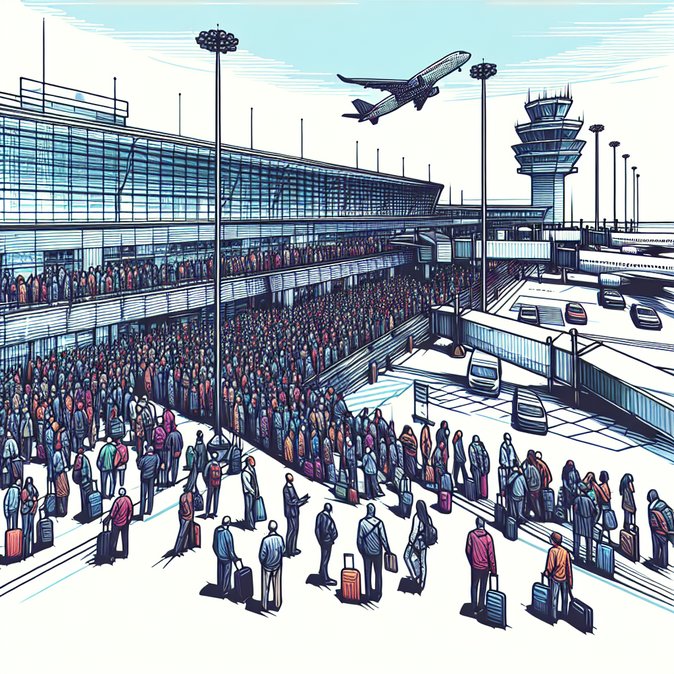
The bottleneck was immediate. Etihad’s EY-62 to Abu Dhabi and Korean Air’s KE-936 to Seoul both missed their slots, while a cascade of missed connections left dozens of intra-Schengen seats empty on departing flights. Airports Council International estimates the downtime cost carriers more than €180,000 in delays and re-accommodation, and local handlers lost precious stand capacity during the peak Christmas weekend.
![Biometric Failure Triggers Three-Hour Queues at Prague Airport]()
Travelers worried about getting caught in similar snags can pre-empt many of these headaches by arranging documentation early. VisaHQ, a global visa and passport facilitation service, keeps real-time tabs on Czech border requirements and the evolving EES rollout; its dedicated portal (https://www.visahq.com/czech-republic/) lets passengers secure the correct visas or travel authorizations in advance, minimizing the risk of airport surprises.
Airport management has ordered a forensic review by contractor eu-LISA and is recruiting 60 temporary “border assistants” plus installing 20 additional kiosks before 15 January. Travel-risk consultants are advising multinationals with Czech hubs to add at least one extra hour to all outbound itineraries and remind staff that mis-recorded biometrics can trigger 90/180-day overstays.
If Prague’s counter-measures work, neighbouring hubs in Vienna and Budapest are expected to copy the model. If not, corporate mobility teams may reroute executives through Munich or Frankfurt until the EES proves stable. Either way, the incident is a wake-up call: digital borders still need analogue contingency plans.
The bottleneck was immediate. Etihad’s EY-62 to Abu Dhabi and Korean Air’s KE-936 to Seoul both missed their slots, while a cascade of missed connections left dozens of intra-Schengen seats empty on departing flights. Airports Council International estimates the downtime cost carriers more than €180,000 in delays and re-accommodation, and local handlers lost precious stand capacity during the peak Christmas weekend.
Travelers worried about getting caught in similar snags can pre-empt many of these headaches by arranging documentation early. VisaHQ, a global visa and passport facilitation service, keeps real-time tabs on Czech border requirements and the evolving EES rollout; its dedicated portal (https://www.visahq.com/czech-republic/) lets passengers secure the correct visas or travel authorizations in advance, minimizing the risk of airport surprises.
Airport management has ordered a forensic review by contractor eu-LISA and is recruiting 60 temporary “border assistants” plus installing 20 additional kiosks before 15 January. Travel-risk consultants are advising multinationals with Czech hubs to add at least one extra hour to all outbound itineraries and remind staff that mis-recorded biometrics can trigger 90/180-day overstays.
If Prague’s counter-measures work, neighbouring hubs in Vienna and Budapest are expected to copy the model. If not, corporate mobility teams may reroute executives through Munich or Frankfurt until the EES proves stable. Either way, the incident is a wake-up call: digital borders still need analogue contingency plans.