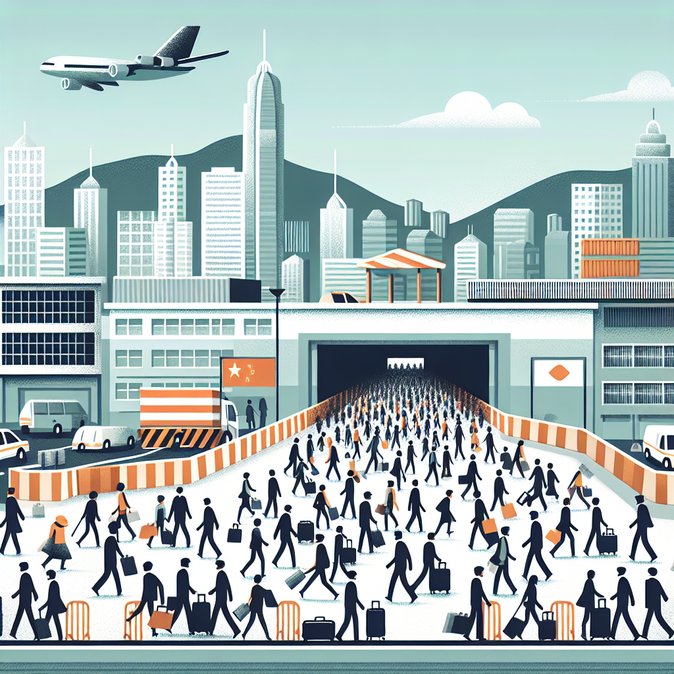
Hong Kong’s Immigration Department confirmed that 1.25 million passenger movements were processed at the city’s land, sea and air checkpoints on 25 December, the highest single-day figure since all pandemic-era restrictions were scrapped in early 2024. Arrivals reached 457,000, of which just over 83,000 were visitors from mainland China, while departures topped 795,000, driven largely by Hong Kong residents heading north for shopping and entertainment. The Lo Wu checkpoint on the MTR East Rail Line was once again the city’s workhorse, handling the largest share of both inbound and outbound travellers.
The surge underscores how quickly cross-border traffic has normalised. Before the pandemic, Christmas was not a traditional peak, but pent-up demand and the strong Hong Kong dollar have encouraged mainland day-trippers, while Hongkongers have embraced Shenzhen’s late-night dining and cheaper entertainment.
Travellers who need help securing China visas or documents for onward travel will find VisaHQ’s Hong Kong portal (https://www.visahq.com/hong-kong/) useful; the service offers expedited processing, document checking and courier support that can save corporates and leisure visitors valuable time as they navigate evolving entry rules.
![Hong Kong registers 1.25 million cross-border trips on Christmas Day, busiest day since full border reopening]()
For corporates that rotate staff between Hong Kong and the Greater Bay Area, the data confirms that same-day travel has become viable again, although managers should factor in longer queuing times at Lo Wu during public holidays.
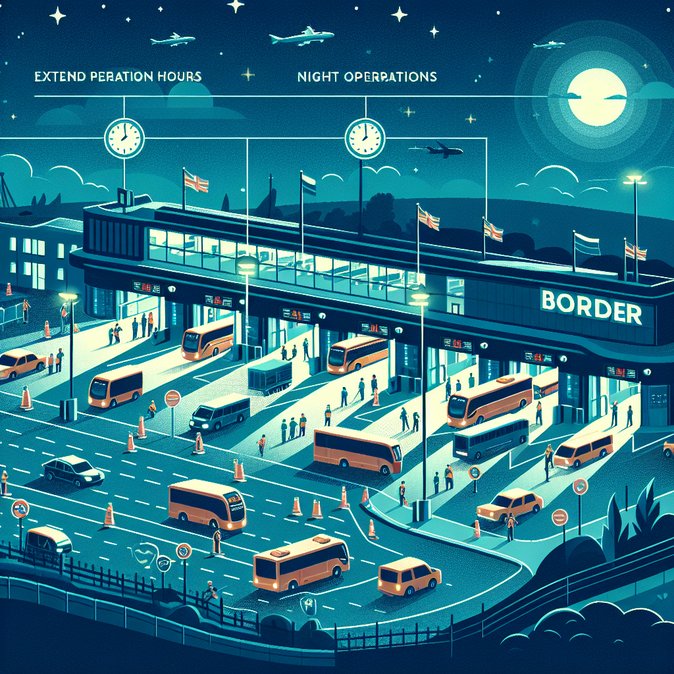
From a policy perspective, the record flow vindicates the government’s decision earlier this year to re-open all e-channels and reinstate on-arrival 144-hour Mainland transit visas. Officials said the checkpoint network operated at 83 per cent of its designed capacity during the peak, suggesting physical bottlenecks rather than staffing were the main constraint. To relieve pressure, the Transport Department is studying whether extended opening hours—currently limited to festival periods—should become permanent at Lo Wu and Lok Ma Chau.
For the travel industry the numbers are significant: duty-free operators at Lo Wu reported sales 18 per cent higher than the same day in 2019, and hotel groups on Hong Kong Island said last-minute bookings by mainland residents added two percentage points to city-wide occupancy. Airlines felt the impact too; additional late-night Airbus A321 services to Shanghai and Beijing were 95 per cent full, according to industry sources.
Businesses moving staff across the border should remind travellers to register on the Immigration Department’s new "Smart Travel" dashboard, which shows real-time checkpoint wait times. Companies with mobility programmes may also want to update travel policies to cover e-channel enrolment fees and cross-border health insurance, as higher traffic increases exposure to delays and medical contingencies.
The surge underscores how quickly cross-border traffic has normalised. Before the pandemic, Christmas was not a traditional peak, but pent-up demand and the strong Hong Kong dollar have encouraged mainland day-trippers, while Hongkongers have embraced Shenzhen’s late-night dining and cheaper entertainment.
Travellers who need help securing China visas or documents for onward travel will find VisaHQ’s Hong Kong portal (https://www.visahq.com/hong-kong/) useful; the service offers expedited processing, document checking and courier support that can save corporates and leisure visitors valuable time as they navigate evolving entry rules.

For corporates that rotate staff between Hong Kong and the Greater Bay Area, the data confirms that same-day travel has become viable again, although managers should factor in longer queuing times at Lo Wu during public holidays.
From a policy perspective, the record flow vindicates the government’s decision earlier this year to re-open all e-channels and reinstate on-arrival 144-hour Mainland transit visas. Officials said the checkpoint network operated at 83 per cent of its designed capacity during the peak, suggesting physical bottlenecks rather than staffing were the main constraint. To relieve pressure, the Transport Department is studying whether extended opening hours—currently limited to festival periods—should become permanent at Lo Wu and Lok Ma Chau.
For the travel industry the numbers are significant: duty-free operators at Lo Wu reported sales 18 per cent higher than the same day in 2019, and hotel groups on Hong Kong Island said last-minute bookings by mainland residents added two percentage points to city-wide occupancy. Airlines felt the impact too; additional late-night Airbus A321 services to Shanghai and Beijing were 95 per cent full, according to industry sources.
Businesses moving staff across the border should remind travellers to register on the Immigration Department’s new "Smart Travel" dashboard, which shows real-time checkpoint wait times. Companies with mobility programmes may also want to update travel policies to cover e-channel enrolment fees and cross-border health insurance, as higher traffic increases exposure to delays and medical contingencies.
More From Hong Kong
View all
MTR and bus operators roll out all-night services for Christmas Eve revellers and cross-border travellers

Immigration Department braces for 11.5 million holiday border crossings and activates joint command centre