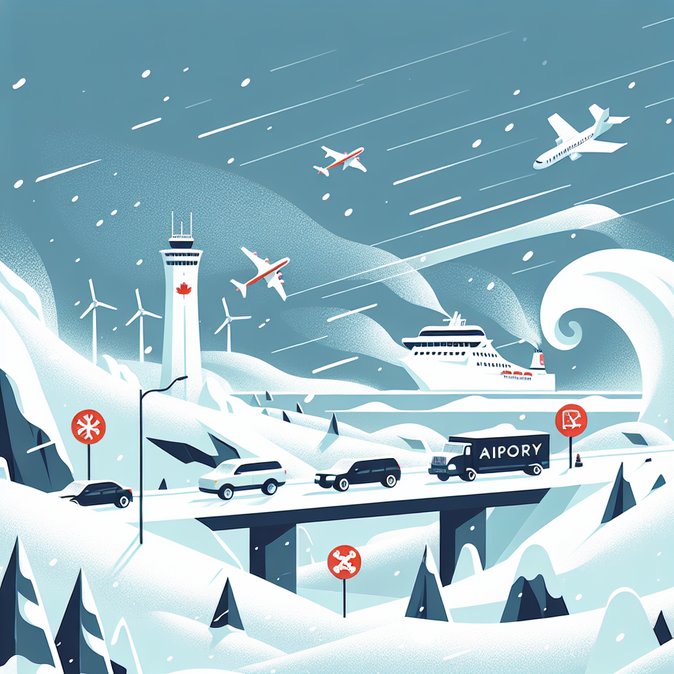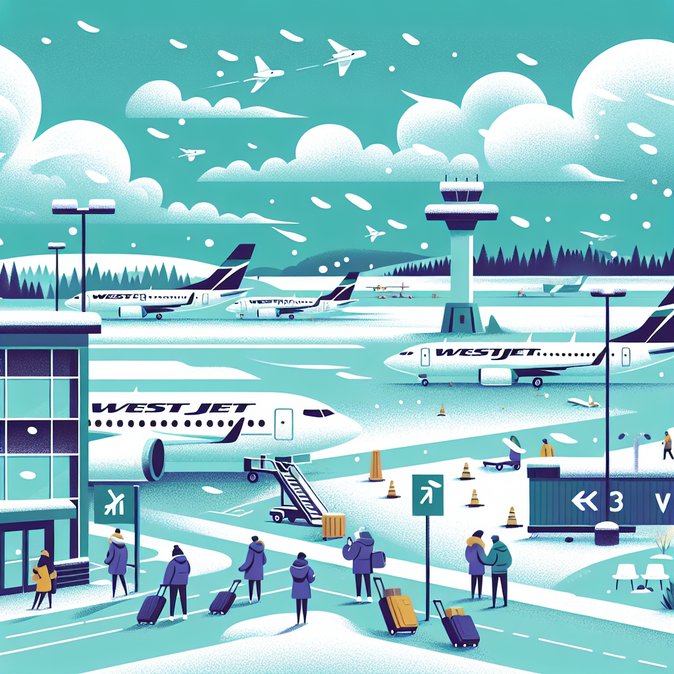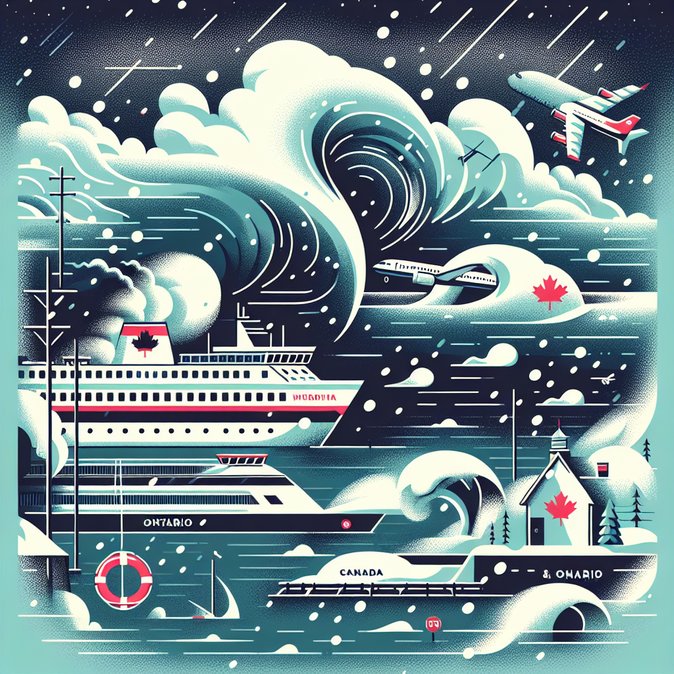
A potent Boxing-Day winter storm is sweeping across Canada, dumping up to 35 cm of snow in Thunder Bay, triggering snowfall warnings from Toronto to Quebec City, and lashing Atlantic Canada with 110 km/h gusts. Environment Canada issued or maintained more than 60 Winter-Storm and Blowing-Snow alerts on December 26, urging residents to avoid non-essential travel. Airports in Toronto (YYZ), Ottawa (YOW) and Quebec City (YQB) warned of cascading delays, while Marine Atlantic flagged potential ferry cancellations on the North Sydney–Port aux Basques route.
Thunder Bay bore the brunt overnight, with white-out conditions and snowdrifts paralyzing sections of Highway 17. Toronto woke up to forecasts of 8–12 cm before nightfall, prompting major employers in the downtown core to extend work-from-home guidance. The Weather Network said the exact track of the low-pressure system could shift the snow-ice line southward, risking periods of freezing rain in the Golden Horseshoe.
While weather can upend schedules, making sure your travel documents are in order will prevent added stress once the skies clear. VisaHQ’s online platform (https://www.visahq.com/canada/) lets Canadians and visitors alike verify entry requirements, renew passports, and secure visas for alternative routing in minutes, giving snow-bound travellers one less hurdle to worry about.
![Boxing-Day Blizzard Disrupts Travel Nationwide as Environment Canada Issues Warnings]()
Business-travel managers are activating emergency protocols: rerouting cargo through Montreal, re-booking executives on later flights, and reminding mobile employees of company winter-driving rules. Relocation shipments entering Canada may also be delayed as truckers contend with reduced visibility and closed highway segments.
Travellers should monitor airline apps and the federal weather portal, build extra connection time into itineraries, and keep expense records if overnight accommodation becomes necessary. Under Canada’s Air Passenger Protection Regulations, carriers must provide re-routing or refunds for extended delays that are within their control, but weather remains an accepted exception. Travel insurers report a 30 % spike in weather-claim inquiries since Christmas Day.
With meteorologists predicting the storm will exit Atlantic waters early on December 27, residual airport congestion could linger through the weekend, potentially snarling New-Year return trips for expatriates and international students.
Thunder Bay bore the brunt overnight, with white-out conditions and snowdrifts paralyzing sections of Highway 17. Toronto woke up to forecasts of 8–12 cm before nightfall, prompting major employers in the downtown core to extend work-from-home guidance. The Weather Network said the exact track of the low-pressure system could shift the snow-ice line southward, risking periods of freezing rain in the Golden Horseshoe.
While weather can upend schedules, making sure your travel documents are in order will prevent added stress once the skies clear. VisaHQ’s online platform (https://www.visahq.com/canada/) lets Canadians and visitors alike verify entry requirements, renew passports, and secure visas for alternative routing in minutes, giving snow-bound travellers one less hurdle to worry about.

Business-travel managers are activating emergency protocols: rerouting cargo through Montreal, re-booking executives on later flights, and reminding mobile employees of company winter-driving rules. Relocation shipments entering Canada may also be delayed as truckers contend with reduced visibility and closed highway segments.
Travellers should monitor airline apps and the federal weather portal, build extra connection time into itineraries, and keep expense records if overnight accommodation becomes necessary. Under Canada’s Air Passenger Protection Regulations, carriers must provide re-routing or refunds for extended delays that are within their control, but weather remains an accepted exception. Travel insurers report a 30 % spike in weather-claim inquiries since Christmas Day.
With meteorologists predicting the storm will exit Atlantic waters early on December 27, residual airport congestion could linger through the weekend, potentially snarling New-Year return trips for expatriates and international students.