Hong Kong has flipped the switch on fully contactless immigration clearance. The Immigration Department confirmed on 25 December that its ‘Smart Departure’ QR-code biometric gates are now operational at all air, land and sea control points, concluding a two-year phased rollout that began at the airport in 2023.
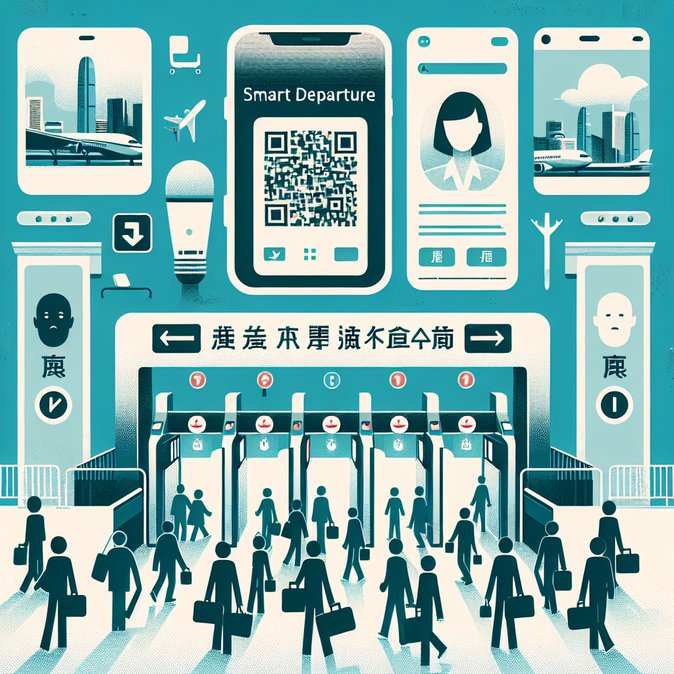
Travellers generate an encrypted QR code in the ImmD mobile app, scan it at the gate and undergo facial recognition in under 20 seconds—without touching fingerprint readers or handing documents to officers. The lanes accept Hong Kong residents aged seven or above, electronic passports from more than 100 jurisdictions and PRC e-passports in transit.
For business travellers, the main win is speed: end-to-end clearance averages 18 seconds, compared with 45 seconds at traditional e-Channels. Hygiene is another selling point that resonates in a post-pandemic environment, especially during winter flu season.
![‘Smart Departure’ QR-Code e-Channel Now Live at Every Hong Kong Checkpoint]()
Whether you’re a frequent flyer or organising travel for a corporate team, VisaHQ can help ensure that the right travel documents are in place before you ever reach the Smart Departure gate. The service provides an easy online check of Hong Kong visa requirements, facilitates digital application submissions and lets users track approvals in real time—streamlining the entire pre-trip process. Visit https://www.visahq.com/hong-kong/ to see how seamless compliance can be.
Immigration officials emphasise that data privacy is protected through on-device encryption and immediate QR-code invalidation once a traveller clears. Still, corporates should review internal travel-risk policies to reflect the fact that mobile phones—now effectively travel documents—must remain charged and secure.
Airlines and travel-management companies are integrating Smart Departure prompts into online check-in flows. Cathay Pacific says early adopters have cut average boarding-gate dwell times by three minutes, a figure that could translate into material on-time-departure gains during peak hours.
Travellers generate an encrypted QR code in the ImmD mobile app, scan it at the gate and undergo facial recognition in under 20 seconds—without touching fingerprint readers or handing documents to officers. The lanes accept Hong Kong residents aged seven or above, electronic passports from more than 100 jurisdictions and PRC e-passports in transit.
For business travellers, the main win is speed: end-to-end clearance averages 18 seconds, compared with 45 seconds at traditional e-Channels. Hygiene is another selling point that resonates in a post-pandemic environment, especially during winter flu season.

Whether you’re a frequent flyer or organising travel for a corporate team, VisaHQ can help ensure that the right travel documents are in place before you ever reach the Smart Departure gate. The service provides an easy online check of Hong Kong visa requirements, facilitates digital application submissions and lets users track approvals in real time—streamlining the entire pre-trip process. Visit https://www.visahq.com/hong-kong/ to see how seamless compliance can be.
Immigration officials emphasise that data privacy is protected through on-device encryption and immediate QR-code invalidation once a traveller clears. Still, corporates should review internal travel-risk policies to reflect the fact that mobile phones—now effectively travel documents—must remain charged and secure.
Airlines and travel-management companies are integrating Smart Departure prompts into online check-in flows. Cathay Pacific says early adopters have cut average boarding-gate dwell times by three minutes, a figure that could translate into material on-time-departure gains during peak hours.