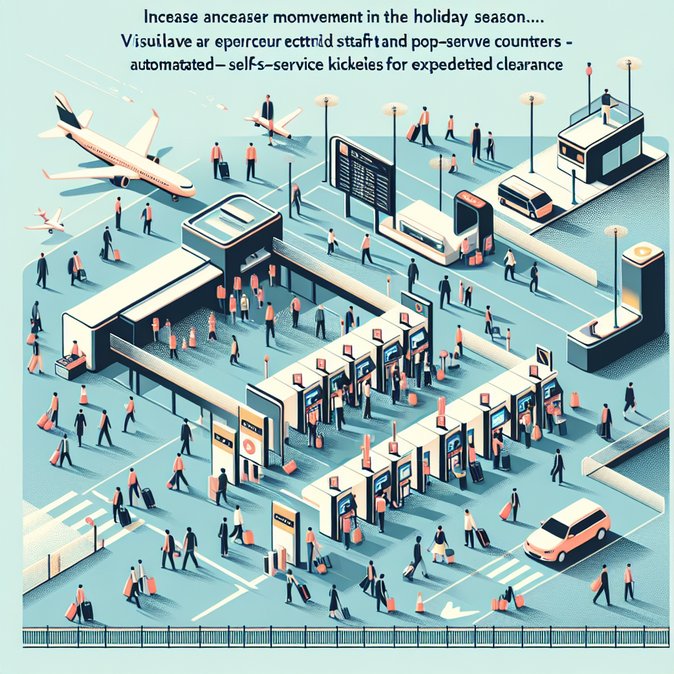
With Christmas and New Year trips in full swing, Hong Kong’s Immigration Department predicts a record-breaking 11.52 million passenger movements between 24 December and 4 January. Roughly 9.65 million of those trips will be handled at land checkpoints, led by Lo Wu, Lok Ma Chau Spur Line/Futian and Shenzhen Bay, each expected to process more than 150,000 travellers a day.
To keep queues manageable, the government has cancelled officers’ leave, installed temporary booths and activated a joint command centre staffed by Immigration, Police, Customs and MTR representatives. Real-time crowd data will feed into a public dashboard so that travellers—and corporate travel managers—can reroute to less congested control points.
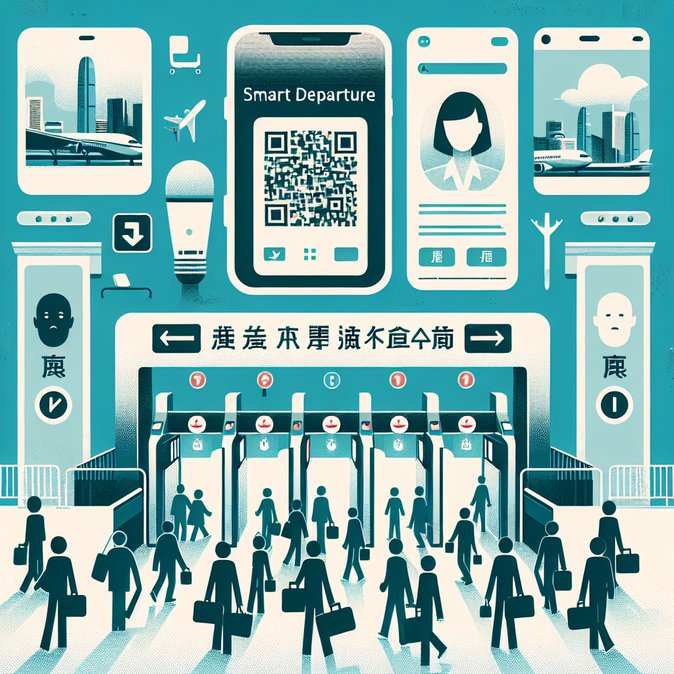
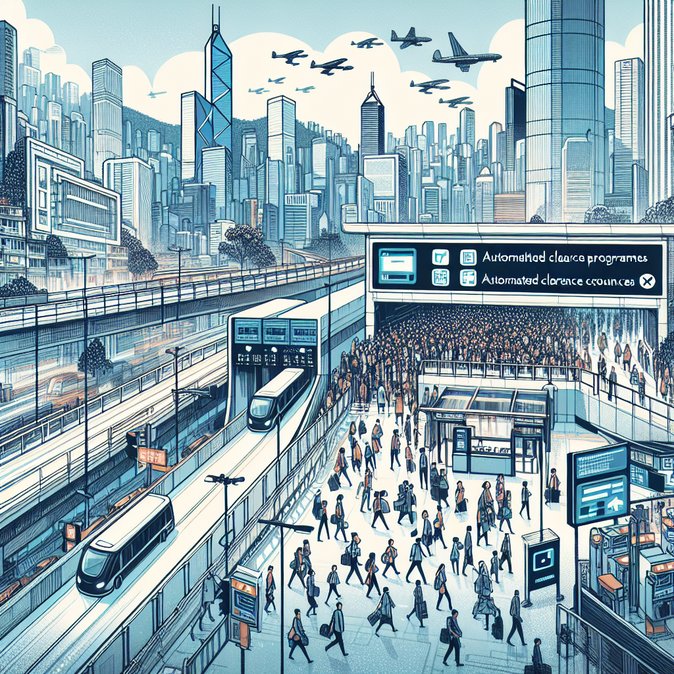
Technology is doing much of the heavy lifting. More than 700 automated e-Channels are now operational city-wide, and the minimum age for using self-service gates was lowered this week from 11 to seven. Families crossing for shopping or visiting relatives can therefore clear borders without manual counters, cutting processing times to about 20 seconds per person.
![Immigration Department Braces for 11.5 Million Holiday Border Crossings]()
For travellers who still need last-minute visas or document legalisation, VisaHQ can smooth the process. Its Hong Kong portal (https://www.visahq.com/hong-kong/) lets individuals, families and corporate mobility teams arrange China visas, global e-visas and passport services online and track them in real time—helping commuters focus on timing their crossings rather than chasing paperwork.
Business implications are clear: companies with cross-boundary commuters should advise staff to travel outside afternoon peaks (14:00-18:00) and to register for e-Channel or the new ‘Smart Departure’ QR-code system in advance. Logistics firms are also staggering truck dispatches to avoid lane closures triggered by pedestrian spill-over.
Officials stress that the projections are provisional—bad weather or public-health incidents could still prompt ad-hoc capacity restrictions—but say this year’s contingency planning is the most comprehensive since pre-pandemic 2019.
To keep queues manageable, the government has cancelled officers’ leave, installed temporary booths and activated a joint command centre staffed by Immigration, Police, Customs and MTR representatives. Real-time crowd data will feed into a public dashboard so that travellers—and corporate travel managers—can reroute to less congested control points.
Technology is doing much of the heavy lifting. More than 700 automated e-Channels are now operational city-wide, and the minimum age for using self-service gates was lowered this week from 11 to seven. Families crossing for shopping or visiting relatives can therefore clear borders without manual counters, cutting processing times to about 20 seconds per person.
For travellers who still need last-minute visas or document legalisation, VisaHQ can smooth the process. Its Hong Kong portal (https://www.visahq.com/hong-kong/) lets individuals, families and corporate mobility teams arrange China visas, global e-visas and passport services online and track them in real time—helping commuters focus on timing their crossings rather than chasing paperwork.
Business implications are clear: companies with cross-boundary commuters should advise staff to travel outside afternoon peaks (14:00-18:00) and to register for e-Channel or the new ‘Smart Departure’ QR-code system in advance. Logistics firms are also staggering truck dispatches to avoid lane closures triggered by pedestrian spill-over.
Officials stress that the projections are provisional—bad weather or public-health incidents could still prompt ad-hoc capacity restrictions—but say this year’s contingency planning is the most comprehensive since pre-pandemic 2019.