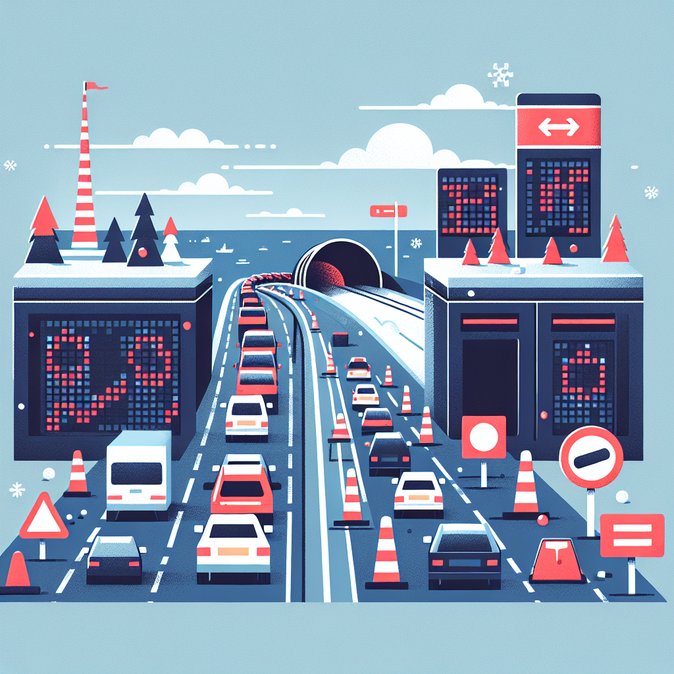
Despite French border-control systems being restored, motorists and freight drivers entering the Channel Tunnel at Folkestone faced waits of up to 21 hours on 23 December—the third consecutive day of disruption. Dover authorities declared a ‘critical incident,’ and Operation Brock turned part of the M20 into a lorry park as queues stretched more than 15 km.
Analysts blame a cocktail of record holiday demand, limited post-Brexit port capacity and Saturday’s French IT outage that crashed passport-control booths. Eurotunnel added six extra shuttles, yet lack of processing space on the Calais side hampered efforts to clear the backlog.
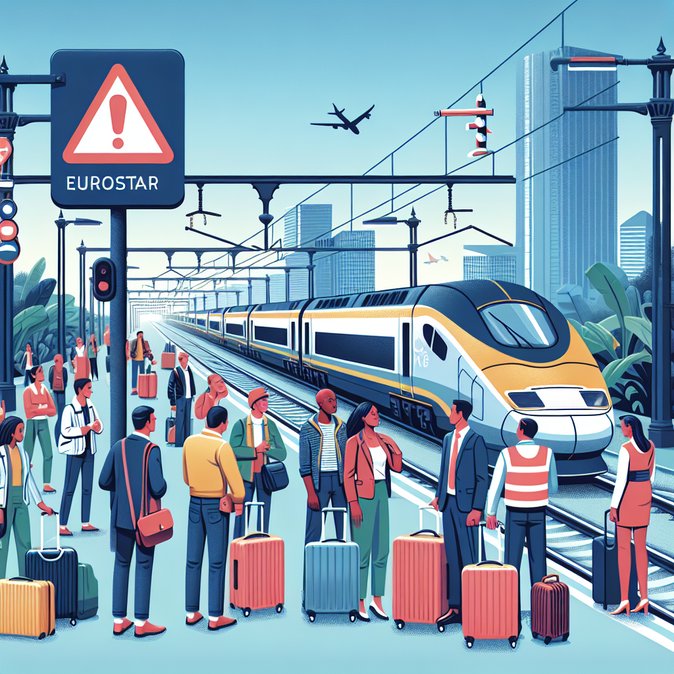
The chaos forced logistics firms to divert perishables to ferry routes via Spain or Belgium, incurring spoilage costs. Holidaymakers heading to French ski resorts queued for up to 21 hours, while some tour operators chartered last-minute Eurostar seats for stranded passengers.
![Eurotunnel ‘Holiday Hell’: Third Straight Day of Gridlock Despite IT Fix]()
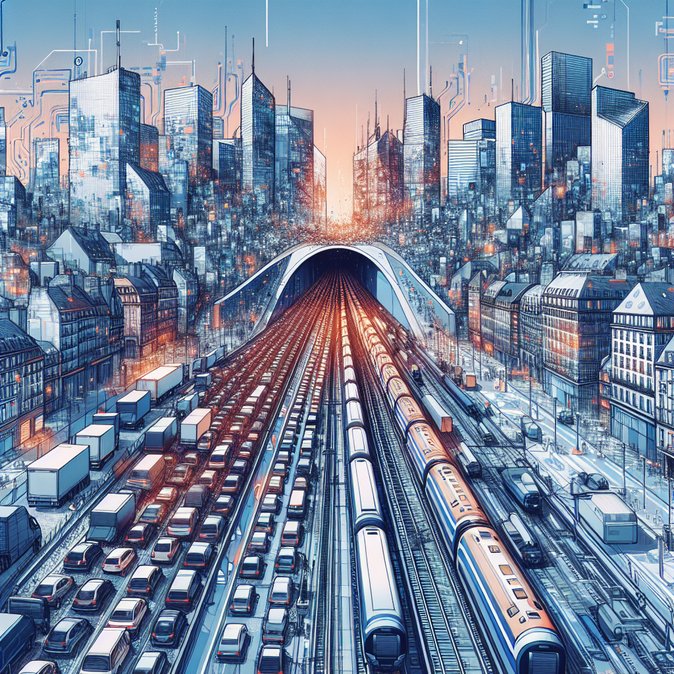
For corporate mobility teams, the lesson is clear: schedule assignee travel outside peak cross-Channel windows or book rail alternatives where possible. The incident also offers an early warning of what might happen when the EU Entry/Exit System begins full biometric capture in 2026, potentially adding 30–60 seconds per passenger.
To stay ahead of such evolving requirements, travellers and corporate mobility managers can tap VisaHQ’s expertise; the platform’s France-dedicated page (https://www.visahq.com/france/) delivers real-time entry updates, expedited visa processing and guidance on forthcoming biometric rules—helping clients avoid costly surprises at the border.
Eurotunnel has called for a joint UK-French task force to improve contingency planning and is testing mobile passport-control units that could be deployed on the UK side during future surges.
Analysts blame a cocktail of record holiday demand, limited post-Brexit port capacity and Saturday’s French IT outage that crashed passport-control booths. Eurotunnel added six extra shuttles, yet lack of processing space on the Calais side hampered efforts to clear the backlog.
The chaos forced logistics firms to divert perishables to ferry routes via Spain or Belgium, incurring spoilage costs. Holidaymakers heading to French ski resorts queued for up to 21 hours, while some tour operators chartered last-minute Eurostar seats for stranded passengers.
For corporate mobility teams, the lesson is clear: schedule assignee travel outside peak cross-Channel windows or book rail alternatives where possible. The incident also offers an early warning of what might happen when the EU Entry/Exit System begins full biometric capture in 2026, potentially adding 30–60 seconds per passenger.
To stay ahead of such evolving requirements, travellers and corporate mobility managers can tap VisaHQ’s expertise; the platform’s France-dedicated page (https://www.visahq.com/france/) delivers real-time entry updates, expedited visa processing and guidance on forthcoming biometric rules—helping clients avoid costly surprises at the border.
Eurotunnel has called for a joint UK-French task force to improve contingency planning and is testing mobile passport-control units that could be deployed on the UK side during future surges.