Travellers heading out of Germany for the festive break ran into chaos over the weekend of 21–22 December that spilled into the working week. A 12-hour walk-out by Ver.di-organised ground-handling staff overlapped with one of the first large-scale deployments of the EU Entry/Exit System (EES) at Frankfurt, Munich and Düsseldorf airports.
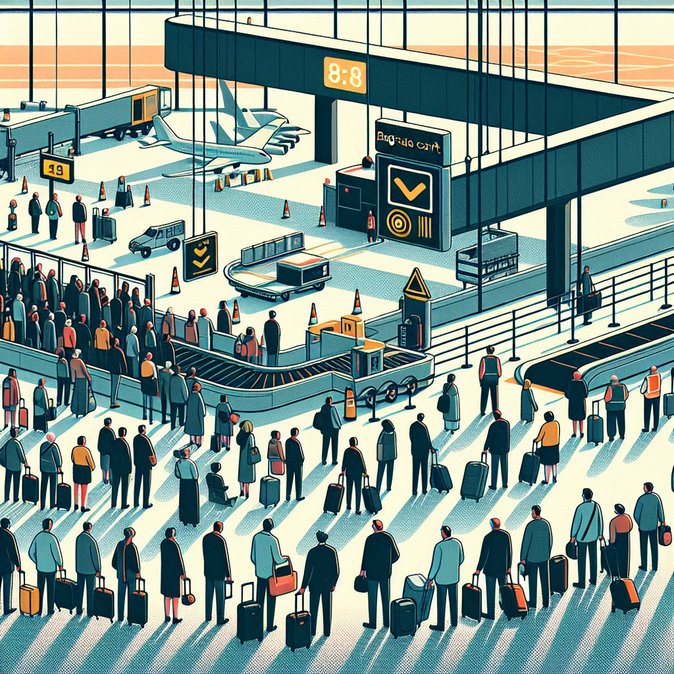
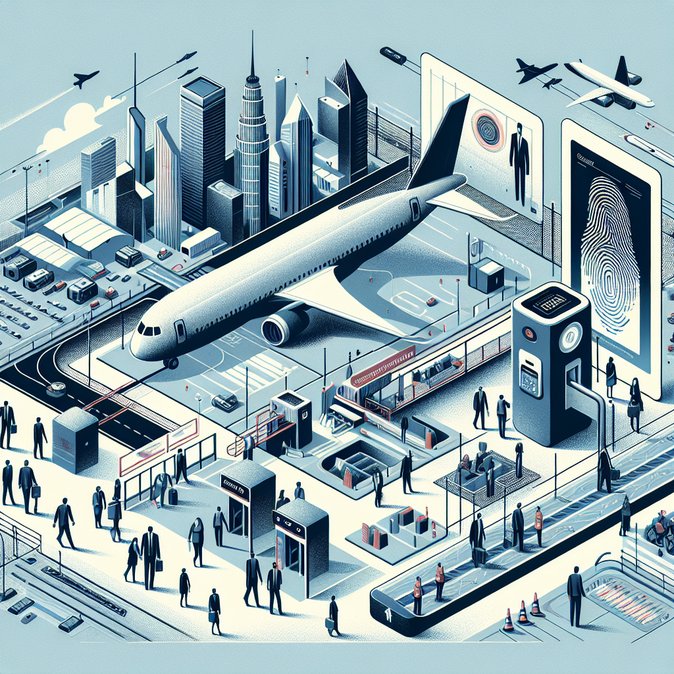
Under EES, every third-country national must register four fingerprints and a facial image the first time they enter Schengen, replacing the familiar passport stamp. German hubs have installed more than 300 self-service kiosks, but staffing remains tight—especially when experienced handlers are on strike for a €500 one-off inflation bonus. Flight-tracker OAG said average departure delays hit 55 minutes on 21 December, with passport-control queues snaking through terminal concourses.
![Strikes and New Biometric Checks Create ‘Perfect Storm’ at German Airports]()
Whether you’re navigating EES enrolment, securing a Schengen visa, or just double-checking transit rules, VisaHQ’s online platform can streamline the paperwork before you reach the airport. The service offers step-by-step guidance, real-time status updates, and optional courier assistance, all accessible via https://www.visahq.com/germany/ Taking care of the formalities in advance can shave valuable minutes off check-in and help mitigate stress when disruption strikes.
Lufthansa issued a “book-with-confidence” waiver, allowing free changes through 26 December. Several Fortune 500 mobility managers now advise executives to arrive at least four hours before departure and to complete the EES mobile preregistration where available. Travel-risk consultants warn residual backlogs could persist until 27 December as displaced passengers re-book.
The incident underscores a wider trend of labour unrest colliding with new border-technology roll-outs. The Interior Ministry says additional federal police will be drafted to bottleneck airports over the next ten days, while Ver.di has not ruled out further action during the New Year peak. Mobility planners should keep contingency routings handy and add biometric-registration briefings to pre-trip checklists.
Under EES, every third-country national must register four fingerprints and a facial image the first time they enter Schengen, replacing the familiar passport stamp. German hubs have installed more than 300 self-service kiosks, but staffing remains tight—especially when experienced handlers are on strike for a €500 one-off inflation bonus. Flight-tracker OAG said average departure delays hit 55 minutes on 21 December, with passport-control queues snaking through terminal concourses.
Whether you’re navigating EES enrolment, securing a Schengen visa, or just double-checking transit rules, VisaHQ’s online platform can streamline the paperwork before you reach the airport. The service offers step-by-step guidance, real-time status updates, and optional courier assistance, all accessible via https://www.visahq.com/germany/ Taking care of the formalities in advance can shave valuable minutes off check-in and help mitigate stress when disruption strikes.
Lufthansa issued a “book-with-confidence” waiver, allowing free changes through 26 December. Several Fortune 500 mobility managers now advise executives to arrive at least four hours before departure and to complete the EES mobile preregistration where available. Travel-risk consultants warn residual backlogs could persist until 27 December as displaced passengers re-book.
The incident underscores a wider trend of labour unrest colliding with new border-technology roll-outs. The Interior Ministry says additional federal police will be drafted to bottleneck airports over the next ten days, while Ver.di has not ruled out further action during the New Year peak. Mobility planners should keep contingency routings handy and add biometric-registration briefings to pre-trip checklists.