Travellers heading in or out of Czechia for the festive season are being warned to brace for congestion on both roads and runways. An Expats.cz briefing and subsequent VisaHQ analysis highlight the combined effect of Austria’s six-month extension of land-border checks with Czechia, Germany and Poland’s similar ad-hoc controls, and repeated glitches in the new Schengen Entry/Exit System (EES).
On the roads, motorists using crossings at Slavonice, Nové Hrady and Valtice report queues of up to 45 minutes, while rail passengers on the Prague–Vienna and Prague–Dresden corridors face on-board ID inspections that can add 20 minutes to journey times. Winter weather and holiday traffic could lengthen waits further, warn transport officials.
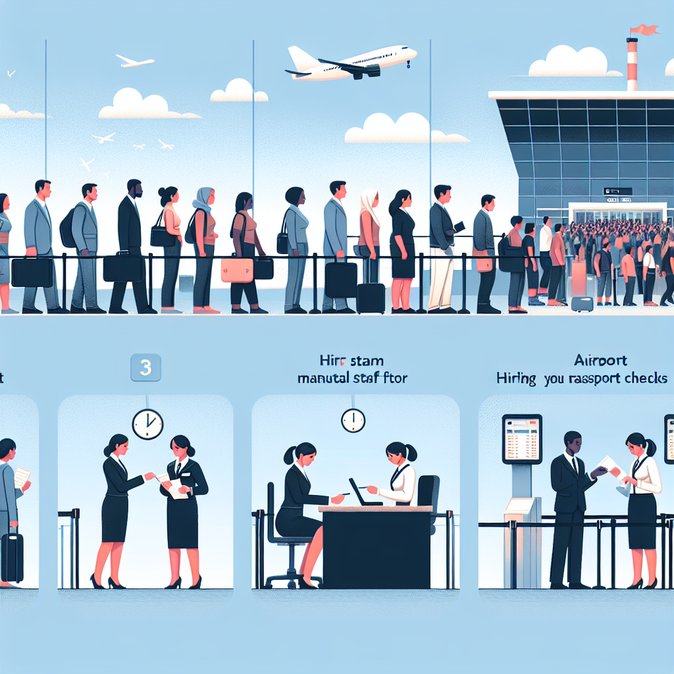
In the air, Prague Airport’s biometric kiosks have trimmed average processing to eight minutes—when they work. Two crashes in the past week left non-EU nationals standing in lines stretching back to duty-free and prompted airlines to recommend a three-hour pre-departure arrival for economy passengers through 7 January.
![Holiday Travellers from Czechia Face Double Hit of Border Checks and EES Delays]()
The cost to employers is tangible. Mobility consultants at AON estimate each hour of unproductive travel time costs about €68 per employee once salary and overheads are factored in. Some firms are therefore moving meetings online, rerouting travellers through Munich or Frankfurt, or offering “bleisure” days to cushion staff fatigue.
Amid this shifting border-control landscape, VisaHQ’s Czech Republic portal (https://www.visahq.com/czech-republic/) can save both individual travellers and corporate mobility teams hours of guesswork. The platform tracks real-time visa and entry-rule changes, offers digital application tools, and provides optional courier services and on-call specialists who can flag the fastest lanes or alternative airports. Using the site to verify documentation before departure often translates into shorter queues and fewer expensive schedule changes.
Travel managers should remind resident permit-holders that EES does not apply to them but that they may be directed to the same queue. Carrying a biometric residence card and proactively requesting the EU/EEA lane can cut minutes off processing times.
On the roads, motorists using crossings at Slavonice, Nové Hrady and Valtice report queues of up to 45 minutes, while rail passengers on the Prague–Vienna and Prague–Dresden corridors face on-board ID inspections that can add 20 minutes to journey times. Winter weather and holiday traffic could lengthen waits further, warn transport officials.
In the air, Prague Airport’s biometric kiosks have trimmed average processing to eight minutes—when they work. Two crashes in the past week left non-EU nationals standing in lines stretching back to duty-free and prompted airlines to recommend a three-hour pre-departure arrival for economy passengers through 7 January.

The cost to employers is tangible. Mobility consultants at AON estimate each hour of unproductive travel time costs about €68 per employee once salary and overheads are factored in. Some firms are therefore moving meetings online, rerouting travellers through Munich or Frankfurt, or offering “bleisure” days to cushion staff fatigue.
Amid this shifting border-control landscape, VisaHQ’s Czech Republic portal (https://www.visahq.com/czech-republic/) can save both individual travellers and corporate mobility teams hours of guesswork. The platform tracks real-time visa and entry-rule changes, offers digital application tools, and provides optional courier services and on-call specialists who can flag the fastest lanes or alternative airports. Using the site to verify documentation before departure often translates into shorter queues and fewer expensive schedule changes.
Travel managers should remind resident permit-holders that EES does not apply to them but that they may be directed to the same queue. Carrying a biometric residence card and proactively requesting the EU/EEA lane can cut minutes off processing times.