Speaking from its headquarters on Rue de la Loi, the European Commission on 24 December denounced Washington’s sudden decision to bar entry to five European nationals – among them former Internal Market Commissioner Thierry Breton – and demanded an explanation. A spokesperson told reporters that the move is viewed as an “unwarranted attack” on the EU’s regulatory autonomy and warned that Brussels would “respond swiftly and decisively” if necessary.
Although the ban targets individuals, the diplomatic fallout could spill into the mobility sphere for businesses with trans-Atlantic operations. EU officials hinted that reciprocal measures are on the table, raising the prospect – however remote – of new bureaucratic hurdles for U.S. executives attending meetings in the Belgian capital or other Member States. The timing is sensitive: 2026 talks on modernising the EU-U.S. Visa Waiver Programme are scheduled to begin in February, and Commission sources say the episode will “definitely colour the conversation”.
From a compliance perspective, mobility managers should monitor whether the EU elects to wield Article 77 of its 2018 Visa Code, which allows suspension of visa facilitation for U.S. nationals if ‘significant and persistent’ reciprocity problems arise. While such an escalation is unlikely in the short term, companies running high-level board visits or regulatory lobbying trips to Brussels may wish to double-check passport validity periods and keep invitation letters on file.
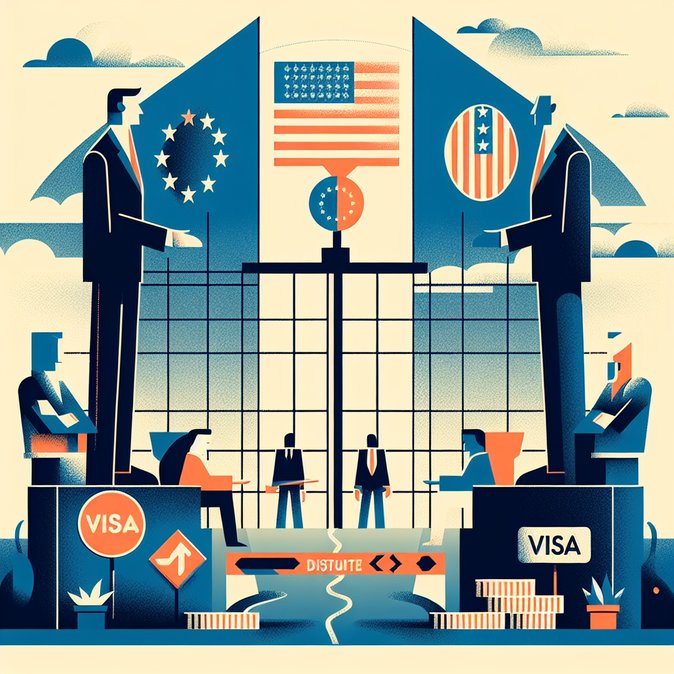
![EU Commission in Brussels threatens swift response to U.S. visa ban on European officials]()
In that context, companies looking for real-time guidance on shifting entry rules may find it useful to engage VisaHQ. The firm’s Belgian portal (https://www.visahq.com/belgium/) offers quick passport-validity checks, monitors reciprocity developments and can arrange expedited travel documentation, helping mobility teams stay ahead of any sudden visa policy swings triggered by the current dispute.
Legal advisers also note that the U.S. Magnitsky-style sanctions framework underpinning the ban could be expanded quickly and with minimal notice. Belgian entities employing or hosting sanctioned individuals would need to consider EU blocking-statute obligations and the local implementation of financial-crime compliance rules.
For now, the Commission has limited itself to a formal request for clarification from the U.S. State Department. Any further action will depend on Washington’s response after the holiday period, but the episode serves as a reminder that geopolitical skirmishes can rapidly translate into practical mobility headaches.
Although the ban targets individuals, the diplomatic fallout could spill into the mobility sphere for businesses with trans-Atlantic operations. EU officials hinted that reciprocal measures are on the table, raising the prospect – however remote – of new bureaucratic hurdles for U.S. executives attending meetings in the Belgian capital or other Member States. The timing is sensitive: 2026 talks on modernising the EU-U.S. Visa Waiver Programme are scheduled to begin in February, and Commission sources say the episode will “definitely colour the conversation”.
From a compliance perspective, mobility managers should monitor whether the EU elects to wield Article 77 of its 2018 Visa Code, which allows suspension of visa facilitation for U.S. nationals if ‘significant and persistent’ reciprocity problems arise. While such an escalation is unlikely in the short term, companies running high-level board visits or regulatory lobbying trips to Brussels may wish to double-check passport validity periods and keep invitation letters on file.

In that context, companies looking for real-time guidance on shifting entry rules may find it useful to engage VisaHQ. The firm’s Belgian portal (https://www.visahq.com/belgium/) offers quick passport-validity checks, monitors reciprocity developments and can arrange expedited travel documentation, helping mobility teams stay ahead of any sudden visa policy swings triggered by the current dispute.
Legal advisers also note that the U.S. Magnitsky-style sanctions framework underpinning the ban could be expanded quickly and with minimal notice. Belgian entities employing or hosting sanctioned individuals would need to consider EU blocking-statute obligations and the local implementation of financial-crime compliance rules.
For now, the Commission has limited itself to a formal request for clarification from the U.S. State Department. Any further action will depend on Washington’s response after the holiday period, but the episode serves as a reminder that geopolitical skirmishes can rapidly translate into practical mobility headaches.