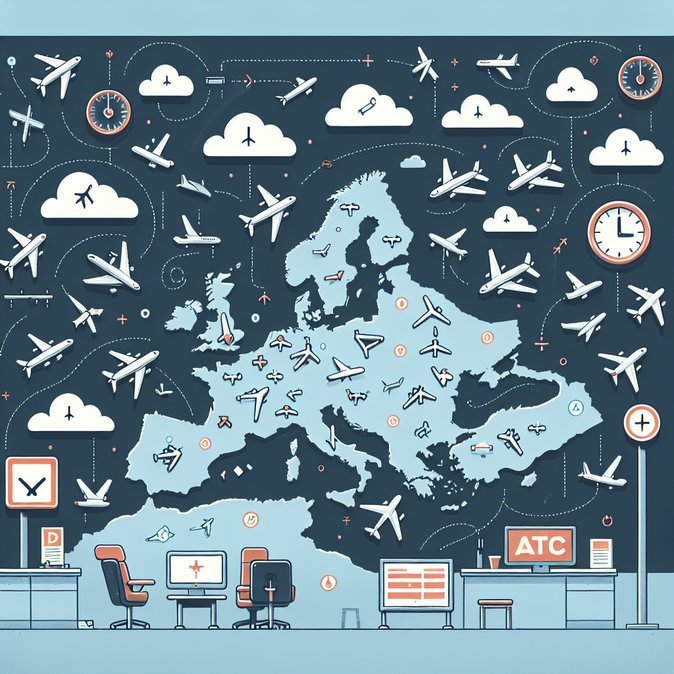
Passenger-rights platform AirHelp reported on 22 December that 45 flights were cancelled and almost 1,000 delayed across Europe, with hubs in Paris-Charles-de-Gaulle, Amsterdam-Schiphol and London-Gatwick worst affected. Although no single strike was declared, the disruption stems from a combination of rostering shortages, winter-weather slot restrictions and lingering knock-on effects of recent French air-traffic-controller action.
Air France cancelled ten domestic and short-haul rotations and warned that further weather-related cuts were possible on Christmas Eve. EasyJet saw the highest number of delayed departures from Paris-Orly, while KLM struggled with de-icing bottlenecks in Amsterdam that cascaded into French connections.
Under EU Regulation 261/2004, passengers experiencing delays of more than three hours may claim compensation unless airlines prove the cause was ‘extraordinary circumstances’. AirHelp estimates potential liability at €4 million for the 22 December events alone.
![Air France, KLM and easyJet Lead 1,000-Flight Delay Wave Across Europe]()
While visa issues are not the main reason for the current aviation turmoil, last-minute rerouting can force travellers to transit through countries they hadn’t planned for. VisaHQ (https://www.visahq.com/france/) offers an easy, online solution to secure urgent transit or entry visas, perform document checks and track applications in real time—often within a single business day—giving both leisure passengers and corporate travel managers added flexibility when schedules change without warning.
Corporate travel managers should proactively re-book staff on earlier flights where feasible, use through-tickets to guarantee missed-connection protection and remind travellers to keep boarding passes as proof for compensation claims.
DGAC, France’s civil-aviation authority, says it is monitoring staffing levels at regional control centres and may impose flow-management measures if bad weather worsens. The agency is still negotiating a long-term staffing deal with unions after a series of strikes earlier in the year.
Air France cancelled ten domestic and short-haul rotations and warned that further weather-related cuts were possible on Christmas Eve. EasyJet saw the highest number of delayed departures from Paris-Orly, while KLM struggled with de-icing bottlenecks in Amsterdam that cascaded into French connections.
Under EU Regulation 261/2004, passengers experiencing delays of more than three hours may claim compensation unless airlines prove the cause was ‘extraordinary circumstances’. AirHelp estimates potential liability at €4 million for the 22 December events alone.
While visa issues are not the main reason for the current aviation turmoil, last-minute rerouting can force travellers to transit through countries they hadn’t planned for. VisaHQ (https://www.visahq.com/france/) offers an easy, online solution to secure urgent transit or entry visas, perform document checks and track applications in real time—often within a single business day—giving both leisure passengers and corporate travel managers added flexibility when schedules change without warning.
Corporate travel managers should proactively re-book staff on earlier flights where feasible, use through-tickets to guarantee missed-connection protection and remind travellers to keep boarding passes as proof for compensation claims.
DGAC, France’s civil-aviation authority, says it is monitoring staffing levels at regional control centres and may impose flow-management measures if bad weather worsens. The agency is still negotiating a long-term staffing deal with unions after a series of strikes earlier in the year.