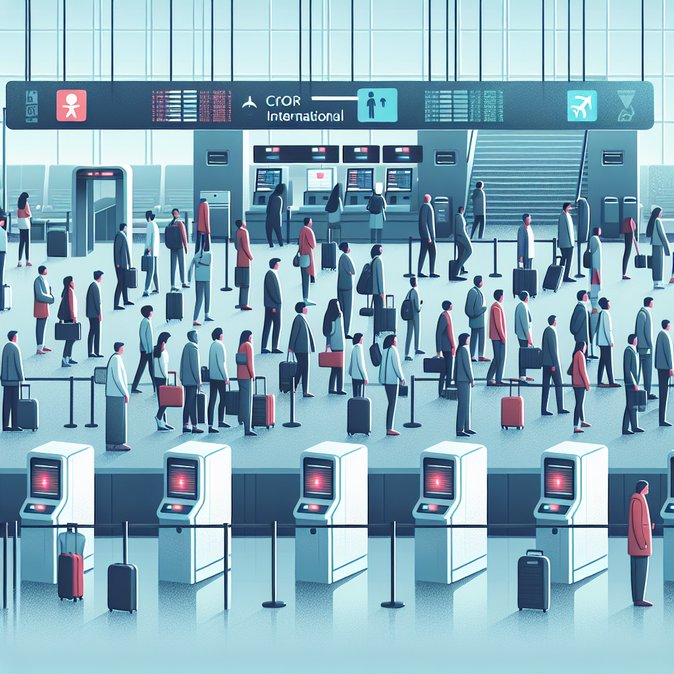
The first Christmas travel rush since Finland activated the EU Entry/Exit System (EES) is proving painful for non-EU travellers. An Airports Council International (ACI Europe) snapshot shows border-control processing for visa-exempt third-country nationals at Helsinki-Vantaa is up to 70 % slower than last year. Peak waits of 55 minutes were recorded on 18 December for UK and US passengers who had to enrol fingerprints and a facial template at kiosks before seeing a border guard.
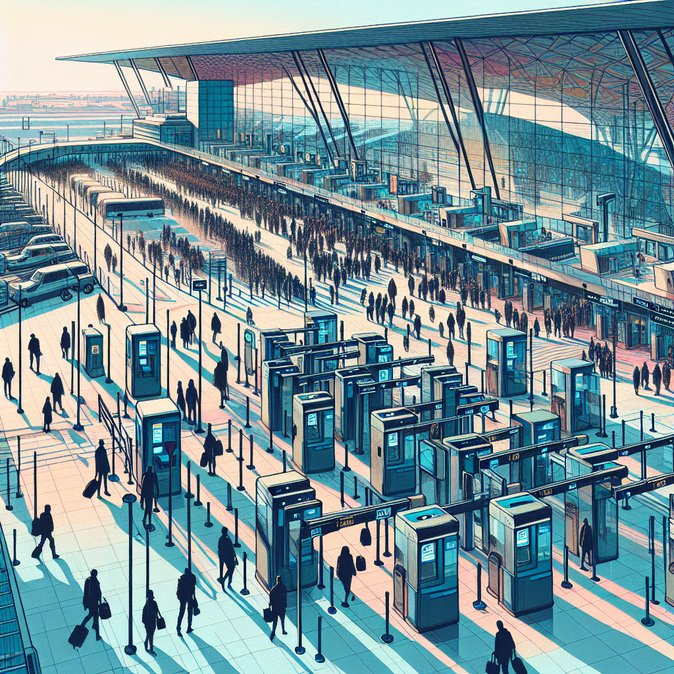
Capacity, not policy, is the main culprit. The airport installed 36 self-service kiosks, but software bugs and a shortage of trained officers mean as many as a third are offline at peak times, causing queues that spill into the departures hall. Finavia has opened overflow ‘biometric zones’ and diverted some departing passengers through unused arrival gates; airlines now urge travellers to arrive at least three hours early.
Under EES every first-time visitor from outside the EU/Schengen area must complete biometric registration valid for three years. Authorities expect the proportion of passengers needing enrolment to jump from 10 % today to about 35 % on 9 January when Lapland charter flights peak, raising the risk of gridlock.
![Holiday rush exposes biometric bottlenecks as EU Entry/Exit System slows border checks at Helsinki-Vantaa]()
If the new rules still seem confusing, VisaHQ can step in to help. The company’s Finland portal (https://www.visahq.com/finland/) lets travellers check whether they need a visa, ETIAS authorisation or simply biometric enrolment, and offers one-on-one assistance with forms and supporting documents—saving valuable time at the airport.
Business-travel managers are padding connection times, issuing step-by-step kiosk guides and exploring premium concierge services for VIPs. ACI has asked the European Commission to consider temporary derogations if bottlenecks are not resolved by Easter 2026.
Travellers who have not yet registered can pre-fill data in airline apps where available and should keep fingers warm and dry to speed fingerprint capture—small tricks that shave minutes off each transaction.
Capacity, not policy, is the main culprit. The airport installed 36 self-service kiosks, but software bugs and a shortage of trained officers mean as many as a third are offline at peak times, causing queues that spill into the departures hall. Finavia has opened overflow ‘biometric zones’ and diverted some departing passengers through unused arrival gates; airlines now urge travellers to arrive at least three hours early.
Under EES every first-time visitor from outside the EU/Schengen area must complete biometric registration valid for three years. Authorities expect the proportion of passengers needing enrolment to jump from 10 % today to about 35 % on 9 January when Lapland charter flights peak, raising the risk of gridlock.
If the new rules still seem confusing, VisaHQ can step in to help. The company’s Finland portal (https://www.visahq.com/finland/) lets travellers check whether they need a visa, ETIAS authorisation or simply biometric enrolment, and offers one-on-one assistance with forms and supporting documents—saving valuable time at the airport.
Business-travel managers are padding connection times, issuing step-by-step kiosk guides and exploring premium concierge services for VIPs. ACI has asked the European Commission to consider temporary derogations if bottlenecks are not resolved by Easter 2026.
Travellers who have not yet registered can pre-fill data in airline apps where available and should keep fingers warm and dry to speed fingerprint capture—small tricks that shave minutes off each transaction.