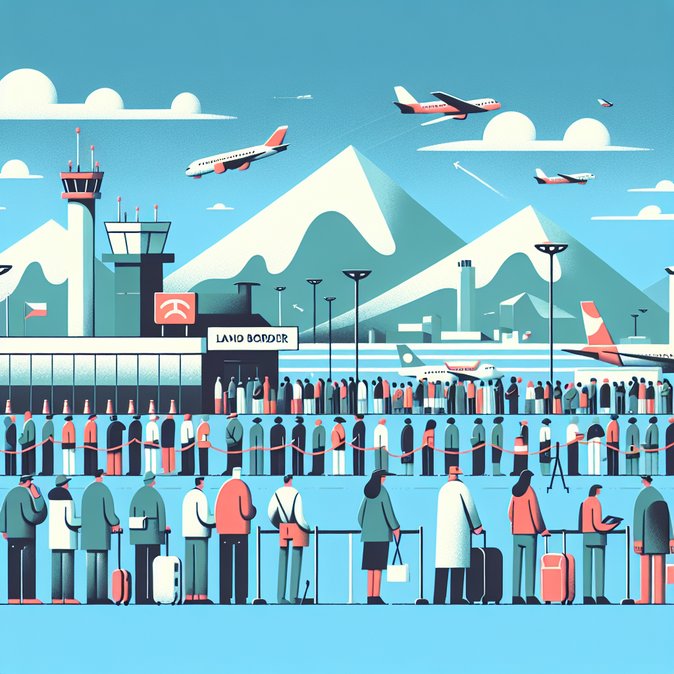
Travelling to or from Czechia this Christmas requires extra patience. Expats.cz reports that, as of 22 December, passengers are contending with two compounding factors: seasonal traffic peaks and new regulatory hurdles at both air and land borders. Schengen’s Entry/Exit System (EES), in force since 12 October 2025, is generating queues of up to 40 minutes for non-EU citizens at Prague Airport, even when the system functions smoothly.
Road travellers are also feeling the pinch. Austria has extended its temporary controls on the Czech border until 15 June 2026, citing migration management and security concerns, while Germany continues random checks on cross-border trains such as the Prague–Dresden route. Poland is carrying out spot inspections on north-bound highways, causing intermittent jams. Drivers are advised to carry passports and build in buffer time, particularly on 23–24 December, traditionally the busiest getaway window.
Travellers who need help deciphering the ever-shifting entry requirements can lean on VisaHQ’s Czech Republic portal (https://www.visahq.com/czech-republic/) for up-to-date guidance, document checklists and online application support. Whether you’re securing a long-term residence permit, a business visa, or simply want assurance that your trip will stay within the 90/180-day rule, VisaHQ’s experts streamline the paperwork so you can focus on planning your journey—not queuing at the border.
![Holiday Travellers Face Double Whammy of Border Checks and EES Delays]()
For non-EU flyers, EES now captures fingerprints and facial images and automatically calculates each traveller’s 90/180-day allowance. Although residents with long-term visas are technically exempt, they often stand in the same physical line as tourists, negating the exemption’s time-saving benefit. Prague Airport says it is working with eu-LISA to fine-tune the kiosks and has deployed roving staff to triage passengers with tight connections.
Business-travel planners should advise employees to arrive at least three hours before departure, avoid short “legal-minimum” connections when routing via Prague, and carry printed proof of residence to expedite secondary inspections at land borders. Companies expecting inbound assignees in early January may wish to shift arrival dates to off-peak hours or route via neighbouring hubs such as Vienna or Munich.
Looking ahead, EES stability will be crucial when the parallel European Travel Information and Authorisation System (ETIAS) goes live in October 2026, adding another layer of pre-travel bureaucracy for visa-exempt visitors. For now, the message is simple: leave early, carry the right documents, and expect delays.
Road travellers are also feeling the pinch. Austria has extended its temporary controls on the Czech border until 15 June 2026, citing migration management and security concerns, while Germany continues random checks on cross-border trains such as the Prague–Dresden route. Poland is carrying out spot inspections on north-bound highways, causing intermittent jams. Drivers are advised to carry passports and build in buffer time, particularly on 23–24 December, traditionally the busiest getaway window.
Travellers who need help deciphering the ever-shifting entry requirements can lean on VisaHQ’s Czech Republic portal (https://www.visahq.com/czech-republic/) for up-to-date guidance, document checklists and online application support. Whether you’re securing a long-term residence permit, a business visa, or simply want assurance that your trip will stay within the 90/180-day rule, VisaHQ’s experts streamline the paperwork so you can focus on planning your journey—not queuing at the border.
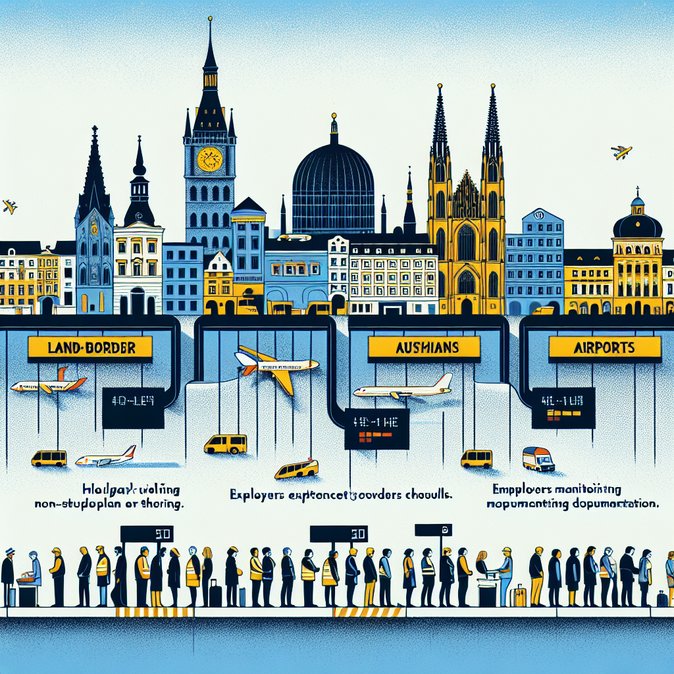
For non-EU flyers, EES now captures fingerprints and facial images and automatically calculates each traveller’s 90/180-day allowance. Although residents with long-term visas are technically exempt, they often stand in the same physical line as tourists, negating the exemption’s time-saving benefit. Prague Airport says it is working with eu-LISA to fine-tune the kiosks and has deployed roving staff to triage passengers with tight connections.
Business-travel planners should advise employees to arrive at least three hours before departure, avoid short “legal-minimum” connections when routing via Prague, and carry printed proof of residence to expedite secondary inspections at land borders. Companies expecting inbound assignees in early January may wish to shift arrival dates to off-peak hours or route via neighbouring hubs such as Vienna or Munich.
Looking ahead, EES stability will be crucial when the parallel European Travel Information and Authorisation System (ETIAS) goes live in October 2026, adding another layer of pre-travel bureaucracy for visa-exempt visitors. For now, the message is simple: leave early, carry the right documents, and expect delays.