International rail services between Brussels-South and northern France ground to a halt at 13:52 CET on 23 December after a person was struck on High-Speed Line 1 near the border, rail-infrastructure operator Infrabel confirmed. The shutdown applies to all Eurostar and TGV INOUÏ services, severing a route that normally carries more than 20,000 passengers a day in the pre-Christmas peak.
The stoppage immediately reverberated through corporate travel desks: Eurostar advised passengers not to travel and offered free exchanges, while SNCF placed a ticket freeze to prevent further sales. Multinationals with cross-border commuting arrangements – common for EU officials and supply-chain managers who live in France and work in Brussels – scrambled for contingency buses or encouraged remote working. HR teams reminded staff that Belgian employment law obliges companies to reimburse ‘necessary and reasonable’ alternative travel costs when a journey is provably work-related.
From an immigration-compliance angle, the disruption could create unintended over-stays for Third-Country Nationals holding short-stay Schengen visas. Belgian border police told The Brussels Times they will take the incident into account “case-by-case”, but mobility advisers still recommend documenting attempts to exit the country.
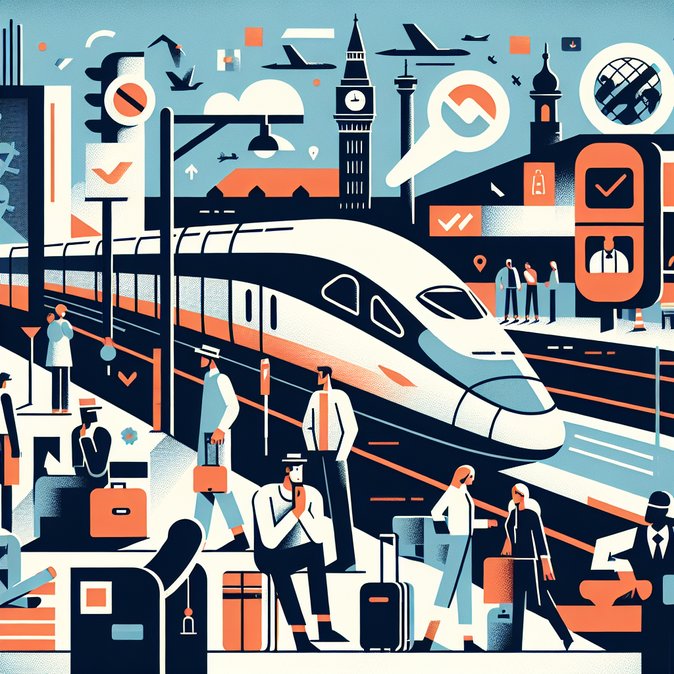
![High-Speed Rail Link Between Brussels and France Suspended After Fatal Track Incident]()
If the delay leaves passengers unsure about their remaining visa days or forces them to adjust onward travel, VisaHQ can step in with expedited Schengen-extension guidance and real-time document checks; the platform’s Belgium page (https://www.visahq.com/belgium/) consolidates official requirements and lets travellers upload supporting evidence before visiting local authorities, reducing the risk of non-compliance.
Infrabel engineers are investigating track damage and coordinating with French counterpart SNCF Réseau to organise diversions via the classic line, although capacity there is only one-fifth of the high-speed corridor. The operator warned that a full safety inspection may push reopening into the early hours of 24 December. Business-traveller rail volumes have surged 14 % this year as companies shift short-haul trips from air to rail for sustainability reasons; today’s incident exposes the fragility of that modal shift without robust redundancy.
For now, experts suggest that employers activate ‘duty-of-care’ protocols: track employees’ whereabouts, issue health-and-safety guidance for lengthy station waits in winter conditions, and review flexible-working policies that allow staff stranded in France to log on remotely.
The stoppage immediately reverberated through corporate travel desks: Eurostar advised passengers not to travel and offered free exchanges, while SNCF placed a ticket freeze to prevent further sales. Multinationals with cross-border commuting arrangements – common for EU officials and supply-chain managers who live in France and work in Brussels – scrambled for contingency buses or encouraged remote working. HR teams reminded staff that Belgian employment law obliges companies to reimburse ‘necessary and reasonable’ alternative travel costs when a journey is provably work-related.
From an immigration-compliance angle, the disruption could create unintended over-stays for Third-Country Nationals holding short-stay Schengen visas. Belgian border police told The Brussels Times they will take the incident into account “case-by-case”, but mobility advisers still recommend documenting attempts to exit the country.

If the delay leaves passengers unsure about their remaining visa days or forces them to adjust onward travel, VisaHQ can step in with expedited Schengen-extension guidance and real-time document checks; the platform’s Belgium page (https://www.visahq.com/belgium/) consolidates official requirements and lets travellers upload supporting evidence before visiting local authorities, reducing the risk of non-compliance.
Infrabel engineers are investigating track damage and coordinating with French counterpart SNCF Réseau to organise diversions via the classic line, although capacity there is only one-fifth of the high-speed corridor. The operator warned that a full safety inspection may push reopening into the early hours of 24 December. Business-traveller rail volumes have surged 14 % this year as companies shift short-haul trips from air to rail for sustainability reasons; today’s incident exposes the fragility of that modal shift without robust redundancy.
For now, experts suggest that employers activate ‘duty-of-care’ protocols: track employees’ whereabouts, issue health-and-safety guidance for lengthy station waits in winter conditions, and review flexible-working policies that allow staff stranded in France to log on remotely.