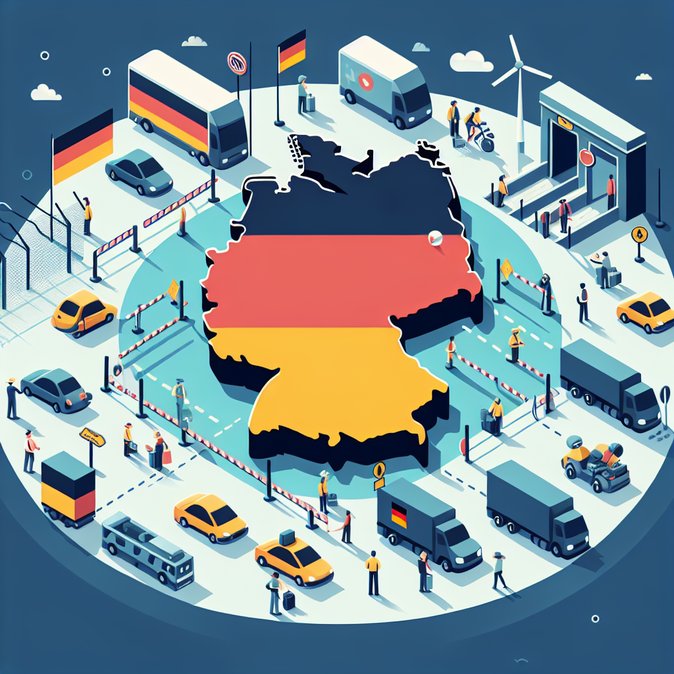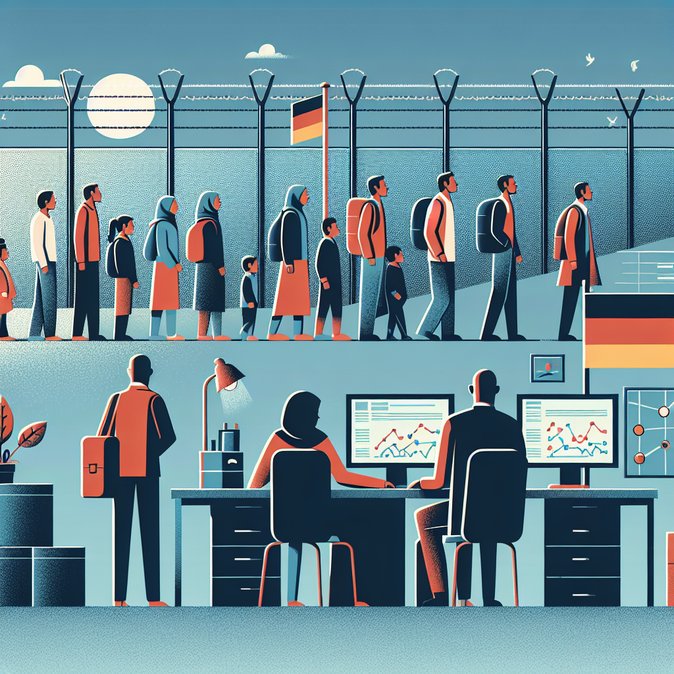
A parliamentary reply obtained by the German press reveals that 1,582 people submitted new asylum applications after having been refused entry under Germany’s intensified land-border checks introduced on 7 May. The figure, covering the period up to 31 October 2025, fuels debate over whether the controls are an effective deterrent or merely delay asylum proceedings.
The Interior Ministry maintains that the policy is legal under Section 18 of the Asylum Act, which allows refusal if another EU state is responsible. Critics from the Green Party label the practice an “expensive theatre” that burdens commuters and yields little security gain. They argue that the repeat applications prove migrants eventually reach German soil, either through alternative crossings or later flights, and that resources would be better spent accelerating asylum decisions.
![1,500 Migrants Re-Apply for Asylum After Being Turned Back at German Borders]()
For travelers, employers and migrants who need clarity on documentation before approaching German borders, VisaHQ offers a practical solution by streamlining visa and travel-permit applications and providing up-to-date guidance on Schengen and national entry requirements. The online portal can even coordinate paperwork for cross-border staff, helping companies avoid costly delays—find more information at https://www.visahq.com/germany/
For employers in border regions the statistics signal continued uncertainty. Companies that rely on cross-border labour—particularly in logistics and agriculture—fear ad-hoc police operations could deter seasonal workers, while humanitarian groups warn that longer limbo periods make integration harder once applicants receive protection.
Mobility advisers suggest that multinationals review contingency workforce plans, especially for projects that depend on third-country subcontractors. Legal teams should also watch for forthcoming court challenges that may refine or restrict Germany’s push-back policy in 2026.
The Interior Ministry maintains that the policy is legal under Section 18 of the Asylum Act, which allows refusal if another EU state is responsible. Critics from the Green Party label the practice an “expensive theatre” that burdens commuters and yields little security gain. They argue that the repeat applications prove migrants eventually reach German soil, either through alternative crossings or later flights, and that resources would be better spent accelerating asylum decisions.

For travelers, employers and migrants who need clarity on documentation before approaching German borders, VisaHQ offers a practical solution by streamlining visa and travel-permit applications and providing up-to-date guidance on Schengen and national entry requirements. The online portal can even coordinate paperwork for cross-border staff, helping companies avoid costly delays—find more information at https://www.visahq.com/germany/
For employers in border regions the statistics signal continued uncertainty. Companies that rely on cross-border labour—particularly in logistics and agriculture—fear ad-hoc police operations could deter seasonal workers, while humanitarian groups warn that longer limbo periods make integration harder once applicants receive protection.
Mobility advisers suggest that multinationals review contingency workforce plans, especially for projects that depend on third-country subcontractors. Legal teams should also watch for forthcoming court challenges that may refine or restrict Germany’s push-back policy in 2026.