Czech-based travellers heading home—or abroad—for the festive season are being told to pack extra patience. An Expats.cz briefing published on 22 December highlights the combined impact of seasonal passenger surges, Austria’s six-month extension of land-border checks with Czechia, and teething problems in the Schengen Entry/Exit System (EES).
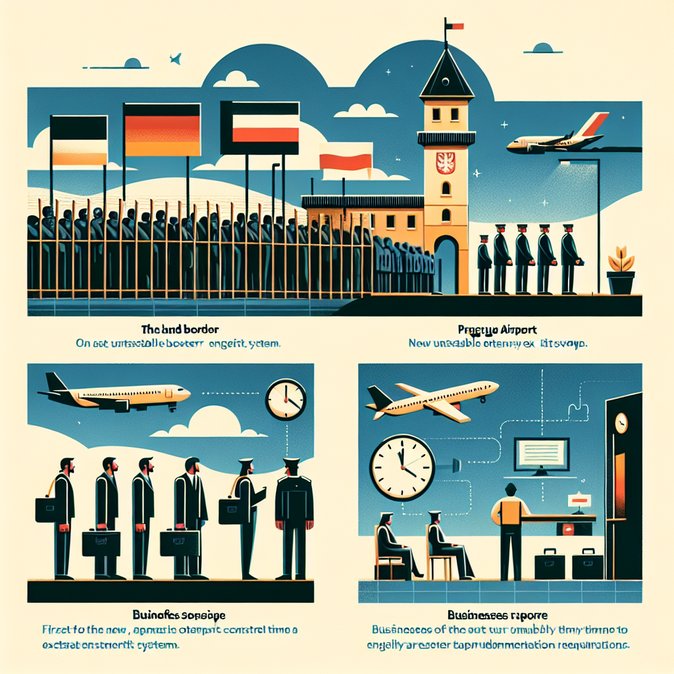
At the land borders, Austria is keeping random police controls in place until at least mid-June 2026, citing continued pressure from irregular migration. Motorists using crossings at Slavonice, Nové Hrady and Valtice report queues of up to 45 minutes, while rail passengers on the Prague–Vienna and Prague–Dresden corridors face spot ID inspections that can add 20 minutes to journey times. Germany and Poland are running similar ad-hoc checks, and officials warn waits may lengthen if winter weather closes secondary roads.
For travellers unsure whether their paperwork meets the latest requirements, online visa and passport service VisaHQ can cut through the red tape. Its Czech portal (https://www.visahq.com/czech-republic/) tracks rule changes in real time and offers expedited document processing and courier options, helping passengers minimise surprises at both land and air borders.
![Holiday Travellers Face Double Whammy of Border Checks and EES Delays]()
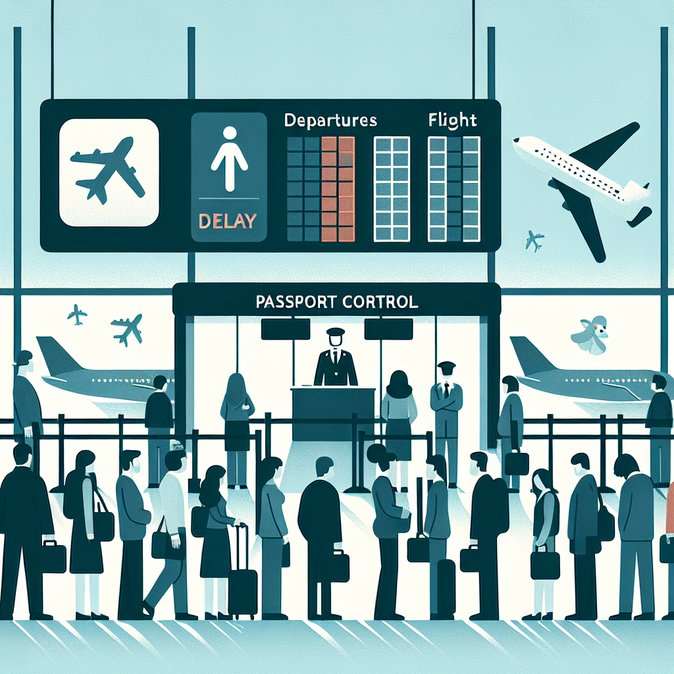
In the air, Prague Airport’s EES kiosks have trimmed average processing times to about eight minutes per traveller when they work—but the system crashed twice in the past week, leaving non-EU nationals in lines stretching back to duty-free. Airlines serving the Czech hub have issued passenger advisories recommending a three-hour airport arrival for economy tickets and 2.5 hours for premium cabins through 7 January.
For multinational companies, the disruptions carry real costs. Consultants at mobility firm AON estimate that each hour of unproductive travel time costs an employer roughly €68 per employee once salary, benefits and overhead are factored in. Firms with tight end-of-year project deadlines are therefore reallocating meetings to video, rerouting travellers through Munich or Frankfurt, or offering “bleisure” days to cushion staff fatigue.
Travel managers should also note that EES does not apply to holders of Czech residence permits or long-stay visas—yet those travellers often share the same physical queue. Advisories recommend that resident employees carry their biometric residence card at the ready and firmly request the EU/EEA lane if offered by border staff.
At the land borders, Austria is keeping random police controls in place until at least mid-June 2026, citing continued pressure from irregular migration. Motorists using crossings at Slavonice, Nové Hrady and Valtice report queues of up to 45 minutes, while rail passengers on the Prague–Vienna and Prague–Dresden corridors face spot ID inspections that can add 20 minutes to journey times. Germany and Poland are running similar ad-hoc checks, and officials warn waits may lengthen if winter weather closes secondary roads.
For travellers unsure whether their paperwork meets the latest requirements, online visa and passport service VisaHQ can cut through the red tape. Its Czech portal (https://www.visahq.com/czech-republic/) tracks rule changes in real time and offers expedited document processing and courier options, helping passengers minimise surprises at both land and air borders.

In the air, Prague Airport’s EES kiosks have trimmed average processing times to about eight minutes per traveller when they work—but the system crashed twice in the past week, leaving non-EU nationals in lines stretching back to duty-free. Airlines serving the Czech hub have issued passenger advisories recommending a three-hour airport arrival for economy tickets and 2.5 hours for premium cabins through 7 January.
For multinational companies, the disruptions carry real costs. Consultants at mobility firm AON estimate that each hour of unproductive travel time costs an employer roughly €68 per employee once salary, benefits and overhead are factored in. Firms with tight end-of-year project deadlines are therefore reallocating meetings to video, rerouting travellers through Munich or Frankfurt, or offering “bleisure” days to cushion staff fatigue.
Travel managers should also note that EES does not apply to holders of Czech residence permits or long-stay visas—yet those travellers often share the same physical queue. Advisories recommend that resident employees carry their biometric residence card at the ready and firmly request the EU/EEA lane if offered by border staff.