Hopes that the UK would secure a last-minute exemption from the EU’s Carbon Border Adjustment Mechanism (CBAM) were dashed this weekend after European Commission officials confirmed no deal would be reached before the end of the year.
From 1 January 2026, British manufacturers of steel, aluminium, fertiliser, cement and certain energy-intensive products worth £7 billion a year will have to file detailed carbon-emissions declarations with EU customs – a burden industry leaders liken to the first weeks of post-Brexit trade. Although actual carbon levies will not be charged until 2027, paperwork must be completed from day one or goods risk being held at EU ports.
For exporting firms that also move staff around Europe to oversee production or troubleshoot supply-chain issues, VisaHQ can take at least one headache off the table. Its UK portal (https://www.visahq.com/united-kingdom/) provides up-to-date visa requirements, document checks and application services for every Schengen country, letting mobility managers focus on CBAM forms rather than queueing at consulates.
![UK exporters face ‘Brexit-style’ paperwork as Brussels refuses pre-Christmas CBAM carve-out]()
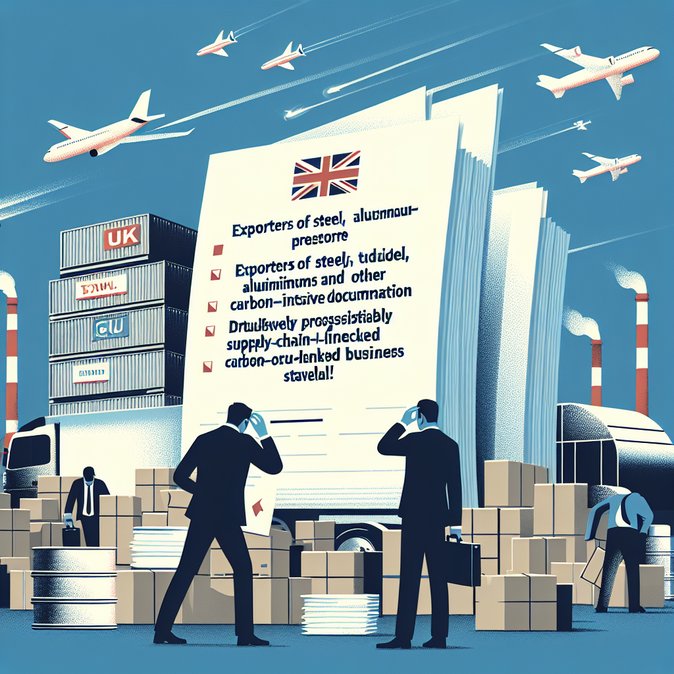
Trade associations including UK Steel warn that small and mid-sized exporters are unprepared for what could amount to 20-page dossiers per shipment. The extra cost – estimated at €13 per tonne for some steel categories, even before any tax is levied – threatens competitiveness against suppliers in countries such as China and Turkey.
The Department for Business and Trade says it will publish step-by-step guidance and a helpline in early January, but logistics firms expect teething problems similar to the 2021 rules-of-origin confusion. Companies with pan-European supply chains should map CBAM-exposed inputs now, engage customs brokers and factor additional lead-time into delivery schedules.
While CBAM is primarily an environmental trade tool, mobility managers should note the knock-on effect on intra-company assignments: staff travelling to EU sites may need to hand-carry documentation or troubleshoot at customs, and project timelines could extend, affecting visa durations and travel budgets.
From 1 January 2026, British manufacturers of steel, aluminium, fertiliser, cement and certain energy-intensive products worth £7 billion a year will have to file detailed carbon-emissions declarations with EU customs – a burden industry leaders liken to the first weeks of post-Brexit trade. Although actual carbon levies will not be charged until 2027, paperwork must be completed from day one or goods risk being held at EU ports.
For exporting firms that also move staff around Europe to oversee production or troubleshoot supply-chain issues, VisaHQ can take at least one headache off the table. Its UK portal (https://www.visahq.com/united-kingdom/) provides up-to-date visa requirements, document checks and application services for every Schengen country, letting mobility managers focus on CBAM forms rather than queueing at consulates.

Trade associations including UK Steel warn that small and mid-sized exporters are unprepared for what could amount to 20-page dossiers per shipment. The extra cost – estimated at €13 per tonne for some steel categories, even before any tax is levied – threatens competitiveness against suppliers in countries such as China and Turkey.
The Department for Business and Trade says it will publish step-by-step guidance and a helpline in early January, but logistics firms expect teething problems similar to the 2021 rules-of-origin confusion. Companies with pan-European supply chains should map CBAM-exposed inputs now, engage customs brokers and factor additional lead-time into delivery schedules.
While CBAM is primarily an environmental trade tool, mobility managers should note the knock-on effect on intra-company assignments: staff travelling to EU sites may need to hand-carry documentation or troubleshoot at customs, and project timelines could extend, affecting visa durations and travel budgets.