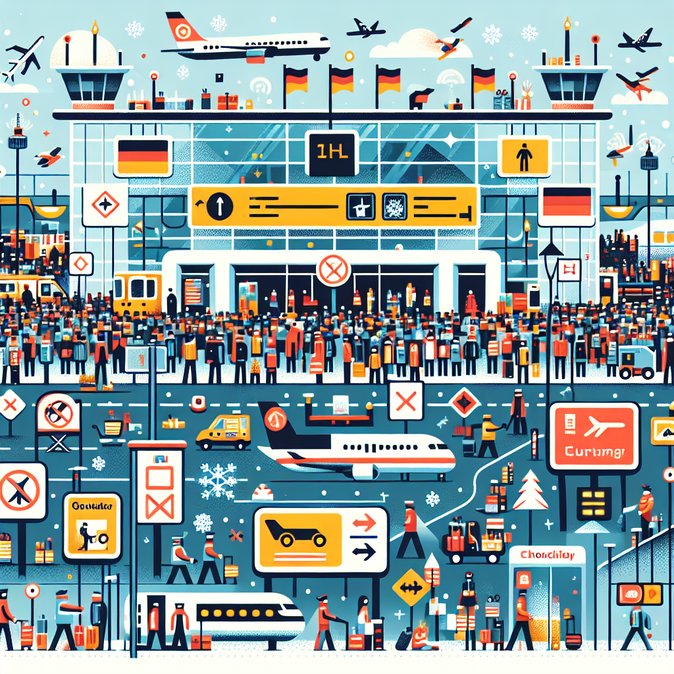
The perfect storm of pre-Christmas strike action and the phased introduction of the EU Entry/Exit System (EES) is snarling travel across the continent—and Germany’s gateways are in the eye of the disruption. Frankfurt, Munich and Düsseldorf reported average departure delays of 55 minutes on Saturday, 21 December, as ground-handling walkouts overlapped with lengthier passport-control procedures for non-EU nationals.
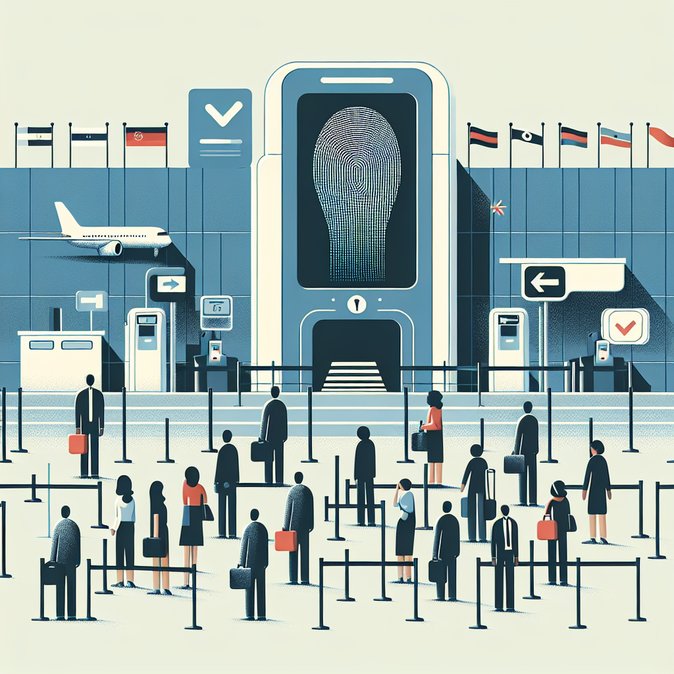
Under the EES, all third-country travellers must provide fingerprints and a facial image the first time they enter the Schengen Area, replacing the traditional passport stamp. While German airports have installed more than 300 self-service kiosks, unions claim staffing levels are insufficient to guide passengers through the unfamiliar process, leading to hour-long queues that spill into concourses.
For travellers needing extra reassurance, VisaHQ offers a streamlined way to verify the latest German entry rules and secure any required documentation ahead of departure. Its online portal (https://www.visahq.com/germany/) centralises visa and passport services, letting individuals and corporate mobility teams upload paperwork, track approvals and receive real-time alerts—an especially handy tool while EES procedures and strike schedules remain fluid.
![Strikes and New Biometric Border System Create Holiday Turmoil at German Hubs]()
Adding to the strain, baggage-handling staff at several airports held short “warning strikes” over pay on 20 and 21 December, forcing Lufthansa Group carriers to cancel 64 flights and issue rebooking waivers. The ver.di union has threatened a full-day action if talks fail in January.
For employers moving staff in and out of Germany over the holidays, travel-risk teams should:
• Encourage travellers to complete airline or airport pre-registration apps where available;
• Build at least a 90-minute connection buffer for non-EU itineraries transiting German hubs;
• Monitor strike ballots—particularly among ground staff and security officers—through January.
Once fully operational in April 2026, EES is expected to shorten processing times, but officials concede that the learning curve will continue through Easter. Until then, mobility managers will need to factor in episodic industrial action and EES-related congestion when approving business-critical trips.
Under the EES, all third-country travellers must provide fingerprints and a facial image the first time they enter the Schengen Area, replacing the traditional passport stamp. While German airports have installed more than 300 self-service kiosks, unions claim staffing levels are insufficient to guide passengers through the unfamiliar process, leading to hour-long queues that spill into concourses.
For travellers needing extra reassurance, VisaHQ offers a streamlined way to verify the latest German entry rules and secure any required documentation ahead of departure. Its online portal (https://www.visahq.com/germany/) centralises visa and passport services, letting individuals and corporate mobility teams upload paperwork, track approvals and receive real-time alerts—an especially handy tool while EES procedures and strike schedules remain fluid.

Adding to the strain, baggage-handling staff at several airports held short “warning strikes” over pay on 20 and 21 December, forcing Lufthansa Group carriers to cancel 64 flights and issue rebooking waivers. The ver.di union has threatened a full-day action if talks fail in January.
For employers moving staff in and out of Germany over the holidays, travel-risk teams should:
• Encourage travellers to complete airline or airport pre-registration apps where available;
• Build at least a 90-minute connection buffer for non-EU itineraries transiting German hubs;
• Monitor strike ballots—particularly among ground staff and security officers—through January.
Once fully operational in April 2026, EES is expected to shorten processing times, but officials concede that the learning curve will continue through Easter. Until then, mobility managers will need to factor in episodic industrial action and EES-related congestion when approving business-critical trips.