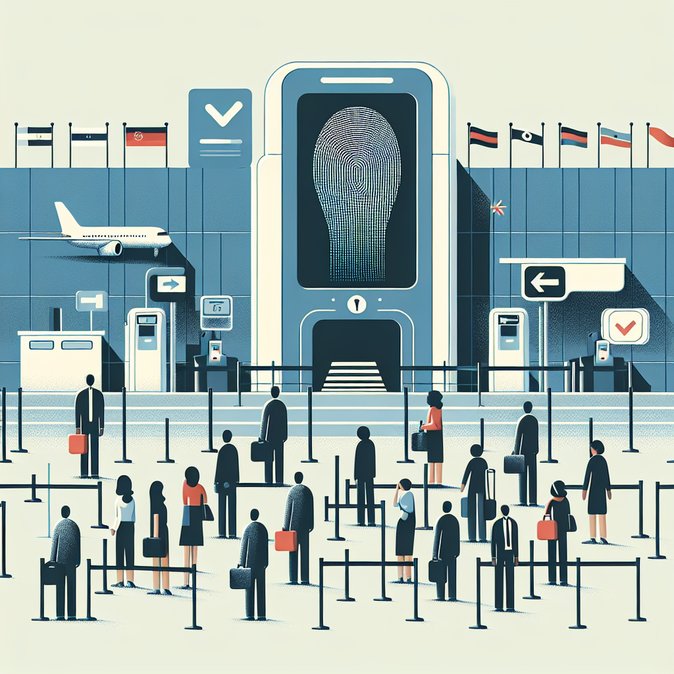
Germany’s early adoption of the EU Entry/Exit System (EES) is off to a bumpy start. Since biometric registration began at Düsseldorf and Frankfurt airports on 12 October, non-EU passengers have reported wait times of up to three hours, according to Airports Council International. The system digitally records every entry and exit of third-country nationals and replaces passport stamping with fingerprint and facial scans.
Federal Police data leaked to the Bundestag’s transport committee show only 10 % of eligible travellers had completed registration during the first nine weeks—far below the 35 % target set for end-January. Officials warn bottlenecks could spill into air-side corridors once holiday traffic peaks.
Travel managers looking for hands-on assistance can lean on VisaHQ’s Germany desk, which tracks EES rollouts in real time, pre-screens travellers for biometric readiness, and books expedited appointment slots where available. The team’s online dashboard (https://www.visahq.com/germany/) centralises all Schengen visa and passport-renewal steps, giving HR departments a single source of truth for employee mobility.
![Soft-Launch of EU Entry/Exit System Triggers Three-Hour Queues at Düsseldorf and Frankfurt]()
In response, Frankfurt has ordered 60 additional self-service kiosks and is trialling roving “biometric teams” who capture data at arrival gates before passengers reach immigration desks. Airlines are pressing for a voluntary pre-enrolment mobile app, but the Interior Ministry says privacy safeguards must first clear parliamentary review.
What companies should do now:
• Advise assignees to expect first-time registration to take 10–15 minutes;
• Insert a minimum 45-minute buffer on tight Schengen-to-non-Schengen connections through German hubs;
• Monitor airport-specific implementation schedules—Berlin and Hamburg come online in February 2026.
The Commission has set 10 April 2026 as the pan-EU “full-go-live” date, meaning teething troubles are likely to persist through Easter travel.
Federal Police data leaked to the Bundestag’s transport committee show only 10 % of eligible travellers had completed registration during the first nine weeks—far below the 35 % target set for end-January. Officials warn bottlenecks could spill into air-side corridors once holiday traffic peaks.
Travel managers looking for hands-on assistance can lean on VisaHQ’s Germany desk, which tracks EES rollouts in real time, pre-screens travellers for biometric readiness, and books expedited appointment slots where available. The team’s online dashboard (https://www.visahq.com/germany/) centralises all Schengen visa and passport-renewal steps, giving HR departments a single source of truth for employee mobility.

In response, Frankfurt has ordered 60 additional self-service kiosks and is trialling roving “biometric teams” who capture data at arrival gates before passengers reach immigration desks. Airlines are pressing for a voluntary pre-enrolment mobile app, but the Interior Ministry says privacy safeguards must first clear parliamentary review.
What companies should do now:
• Advise assignees to expect first-time registration to take 10–15 minutes;
• Insert a minimum 45-minute buffer on tight Schengen-to-non-Schengen connections through German hubs;
• Monitor airport-specific implementation schedules—Berlin and Hamburg come online in February 2026.
The Commission has set 10 April 2026 as the pan-EU “full-go-live” date, meaning teething troubles are likely to persist through Easter travel.